
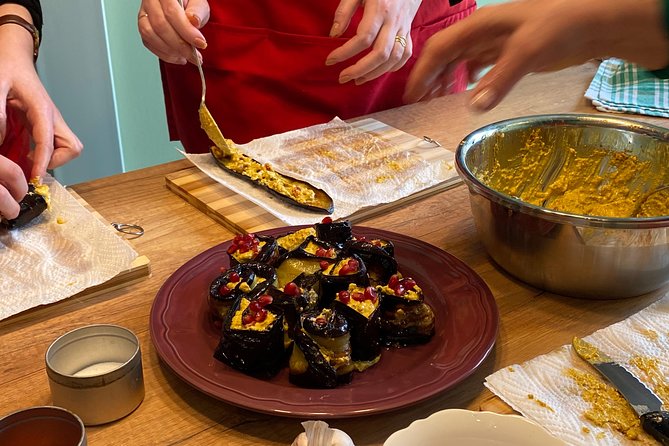
Reviewed · KHINKALI & KHACHAPURI COOKING CLASSES
Nana’s Kitchen – traditional Georgian cooking class at real Georgian family home
First time you sit down for Georgian wine and food, it changes how you think about hospitality. At Nana’s Kitchen, you cook in a real family home in Tbilisi, learn what a Supra really means, and leave with recipes you can actually recreate. I love the warm, patient teaching from Nana and her daughter Nina, and I like that the night ends with a proper Supra-style dinner instead of a quick bite-and-run.
The only drawback to plan around is timing: it runs evenings (about 7:00 PM to 11:00 PM), so you’ll want to build the rest of your day so you’re not rushing to get there.
In This Review
- Key highlights at Nana’s Kitchen
- Why Nana’s Kitchen feels like dinner at someone’s house
- Price and value: what $110 buys you in Tbilisi
- The 3-hour flow: wine, Supra chat, then your five-dish cooking session
- Starting with homemade wine and a Supra introduction
- Into the kitchen: cooking on your own with guidance
- Ending with a Supra-style dinner
- Take-home recipes (and maybe more)
- The dishes you’ll cook: spinach paste, walnuts, eggplant, and a seasonal main
- Supra dinner etiquette in plain terms (so you actually enjoy it)
- Small group, real teaching: Nana and Nina make the difference
- Where you go and what time to plan
- Who this cooking class is best for
- A few considerations before you book
- Should you book Nana’s Kitchen?
- FAQ
- How long is the Nana’s Kitchen Georgian cooking class?
- What’s included in the experience?
- Where does the class start?
- What dishes will I cook?
- What language is the class offered in?
- Is it a private class?
- What’s the price?
- When does the class run?
- What if I need to cancel?
- One last check before you go
Key highlights at Nana’s Kitchen
- A real Georgian family home setting in Tbilisi, not a showroom kitchen
- Supra explained before you cook, then practiced during dinner
- Small-group hands-on cooking guided by Nana and family with lots of patience
- Homemade Georgian wine from their family vineyards to start the evening
- Five dishes plus a take-home recipe book, so the class follows you home
Why Nana’s Kitchen feels like dinner at someone’s house
This class works because it doesn’t pretend to be a performance. You’re cooking where people actually live and eat, and that shows in the tone of the evening. The vibe stays relaxed and friendly, with plenty of laughs while you work at the same stations as your hosts.
Nana and Nina guide you step by step. From the way they explain ingredients, you get more than a how-to list—you start understanding why Georgian cooking is built around flavors like walnuts, herbs, spices, and slow, confident seasoning. That context matters because it helps you cook the dishes later without copying every move like a robot.
More khinkali and khachapuri cooking classes we have rolled up in Tbilisi



Price and value: what $110 buys you in Tbilisi
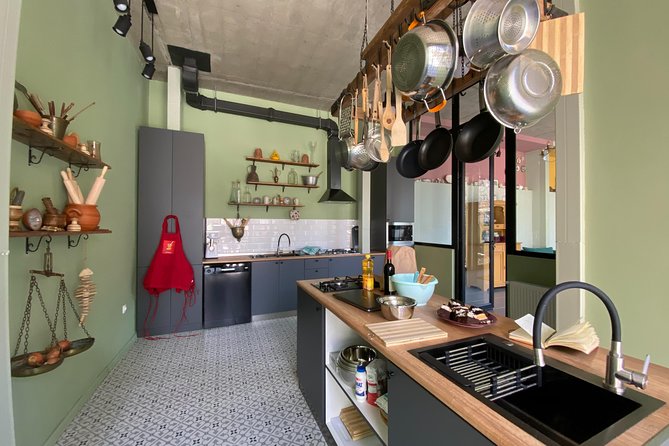
At $110 per person for about 3 hours, this isn’t a budget cooking class. But it’s also not just “watching cooking.” You’re actively making dishes, drinking homemade wine, and then eating what you cooked in a traditional Supra format.
Here’s what you’re really paying for:
- A guided, hands-on session with close attention in a private setup for your group
- Wine and a full dinner at the end, not just small tastings
- A recipe booklet so you can repeat the food at home instead of remembering flavors vaguely
If your goal is to learn Georgian cuisine in a way you can rebuild later, the value holds up. If your goal is only to snack and take photos, you’ll likely find the price hard to justify.
The 3-hour flow: wine, Supra chat, then your five-dish cooking session
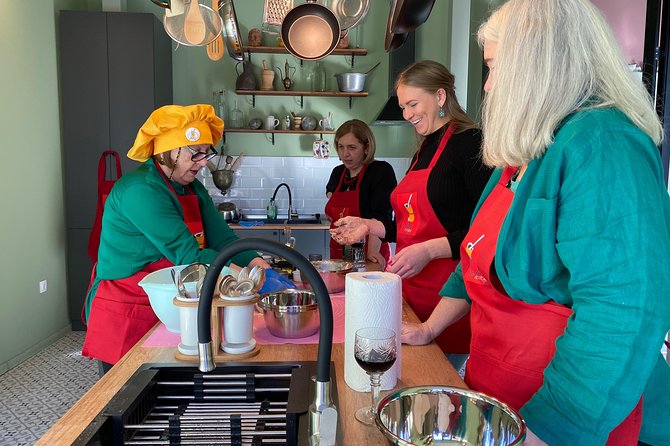
The evening is built like a proper Georgian meal, not a school timetable.
Starting with homemade wine and a Supra introduction
You kick things off with a glass of Georgian homemade wine from their family vineyards. Then you get a clear introduction to the Supra—the Georgian tradition of hosting a feast with food, wine, conversation, and ceremony.
This first part isn’t fluff. It sets expectations for how Georgians think about meals: food isn’t background; it’s the center of social life. And once you understand that, the rest of the night makes more sense.
Into the kitchen: cooking on your own with guidance
After the intro, you move into the kitchen and start rolling up your sleeves. The format is practical: demonstrations, then you take over and cook your portion with help right there in front of you.
Because it’s a smaller group, it’s easier to get answers fast when you hit a snag—too salty, not enough spice, confused about timing, or just wondering why a technique matters. That “patient and step-by-step” teaching is a big reason this class scores so highly.
More Tbilisi workshops and hands-on classes



Ending with a Supra-style dinner
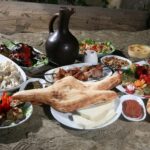
The class concludes with dinner served the traditional way, so you get to experience the Supra flow after you’ve cooked. This is one of those details that turns a cooking class into a memory you can talk about, because you’re not separating work from celebration.
Take-home recipes (and maybe more)
You’ll receive a recipe booklet for all the dishes you made. Some people also mention leaving with extra spices to remake at home and even leftovers in a take-out box—so if that’s your style, ask what’s possible during the evening.
The dishes you’ll cook: spinach paste, walnuts, eggplant, and a seasonal main
The class is designed around learning five Georgian dishes. The menu examples show the kind of food you’ll be making, with options depending on what’s seasonal.
Here’s what you can expect from the sample menu:
- Starter: Traditional Spinach Paste
- Main: Red Peppers with Traditional Walnut and Spice Mix
- Main: Fried Eggplants with Walnuts
- Main: Chakapuli (veal with tarragon, seasonal) OR Chakhokhbili
Even with just these examples, you can see the logic of Georgian flavors. Walnuts show up again and again, often combined with spices that give you warmth without needing heat alone. Herbs also matter—tarragon in particular shows up in Chakapuli, which is a classic “seasonal comfort” style dish.
If you’re worried the menu might feel too meat-heavy, keep in mind that at least one main is explicitly seasonal and offered with an alternative. Still, the best move is to check with your host when you arrive so you know exactly what you’re cooking that night.
Supra dinner etiquette in plain terms (so you actually enjoy it)
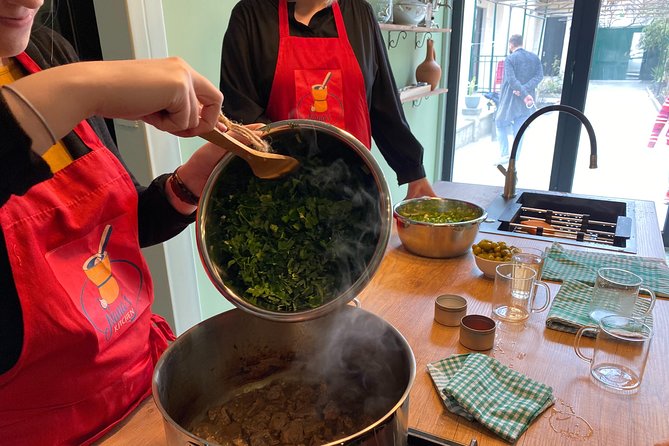
Supra can sound formal from afar. In practice, it’s more about rhythm—people eat, talk, toast, and slow down. When Nana and Nina explain what’s behind the tradition, you learn how to read the mood.
What I like is that you don’t need a script. You’re given enough cultural grounding to understand the purpose, then you experience dinner in a way that feels natural. It’s not awkward “cultural homework.” It’s celebration that happens to be educational.
Small group, real teaching: Nana and Nina make the difference
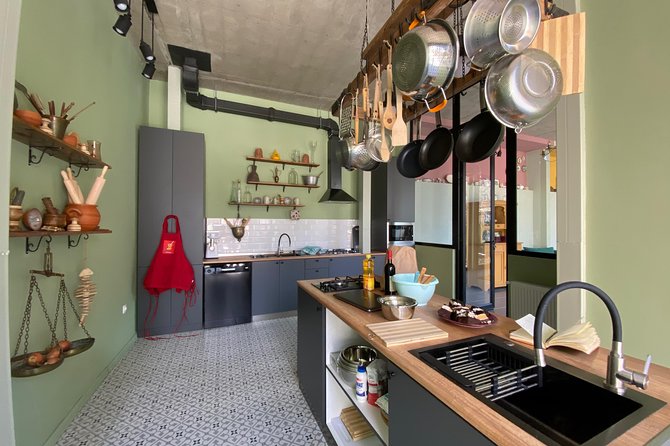
The biggest strength here is how the hosts teach. Nana’s Kitchen keeps the evening friendly and relaxed, but still organized enough that you finish with full plates and confidence.
A few things you should look for as the night progresses:
- Step-by-step explanations while you cook, not just at the start
- A teaching tone that stays patient, even when you’re learning a new technique
- Conversation that ties food to Georgia—ingredients, origins, and why certain flavors work together
Nana and Nina are the core of the experience. You’ll likely spend a good chunk of your time cooking alongside them and asking questions. If you enjoy interaction and want more than a one-way explanation, this setup fits well.
Where you go and what time to plan
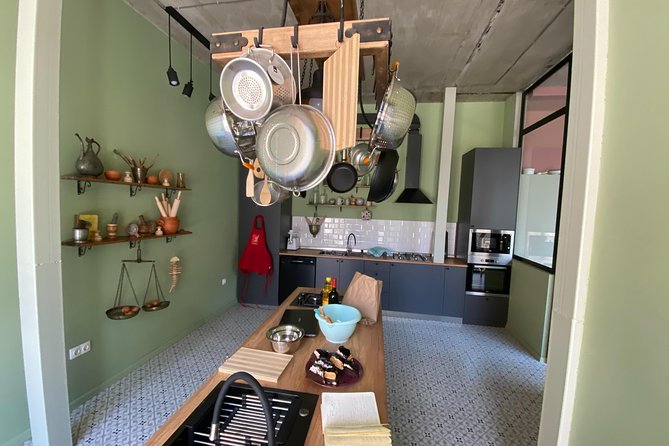
You meet at 26 Guram Rcheulishvili St, T’bilisi 0179, Georgia. The experience runs evenings, with opening hours listed Monday through Friday from 7:00 PM to 11:00 PM. The class itself lasts about 3 hours, so plan your other activities with buffer time.
Because it’s near public transportation, getting there is usually straightforward. Still, I recommend arriving a bit early so you’re not juggling bags and directions right when the wine and first steps are starting.
Dress for comfort. You’ll be in a kitchen environment, and you’ll be doing hands-on cooking, so think practical: wear sleeves you can work in and shoes that are comfortable if you’re moving around the home’s spaces.
Who this cooking class is best for
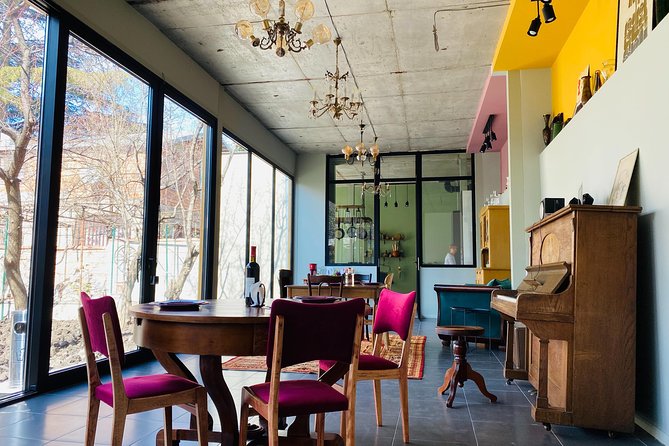
I think this is a great fit if:
- You want authentic Georgian home cooking instead of a generic demo
- You like food culture that includes real context, not just recipes
- You want a small-group evening where you can ask questions and actually cook
- You’ll enjoy learning how Georgia hosts, not only how Georgia cooks
It can also be a solid choice for couples or families looking for a shared activity that ends with a full meal. If your group includes someone who doesn’t normally cook, the pace and close guidance can still make it feel doable.
A few considerations before you book
Here are the only “think ahead” items I’d put on your checklist:
- Evening timing: it’s scheduled in the evening window, so don’t book it right after a late-night plan.
- Non-flexible plans: if your plans change, you won’t be able to get a refund or make amendments based on the cancellation terms. Make sure your itinerary is firm.
- Seasonal menu choices: one main may swap between Chakapuli and Chakhokhbili depending on availability, so your exact dish list can vary.
Should you book Nana’s Kitchen?
If you want Georgian food with heart, with real home-host energy, and with a Supra-style dinner you’ll remember, I’d book it. The combination of hands-on cooking, homemade wine, and a take-home recipe booklet makes it more than an evening activity—it’s a way to bring Tbilisi flavors back to your own table.
Just make sure you can commit to an evening slot and that the $110 price feels right for you as a full dinner + instruction experience, not a casual snack tour.
FAQ
How long is the Nana’s Kitchen Georgian cooking class?
It’s about 3 hours.
What’s included in the experience?
You’ll get a glass of homemade Georgian wine at the start, an introduction to the Supra tradition, hands-on cooking for five Georgian dishes, and a dinner served in a traditional Supra style. You also receive a recipe booklet.
Where does the class start?
You meet at 26 Guram Rcheulishvili St, T’bilisi 0179, Georgia. The activity ends back at the meeting point.
What dishes will I cook?
The class is designed to teach five Georgian dishes. The sample menu includes Traditional Spinach Paste, Red Peppers with a walnut and spice mix, Fried Eggplants with walnuts, and Chakapuli (seasonal) or Chakhokhbili.
What language is the class offered in?
The class is offered in English.
Is it a private class?
Yes. It’s described as a private tour/activity, meaning only your group participates.
What’s the price?
It costs $110.00 per person.
When does the class run?
Opening hours are listed as Monday through Friday, 7:00 PM to 11:00 PM.
What if I need to cancel?
This experience is non-refundable and can’t be changed for any reason, so you won’t receive a refund if you cancel or request amendments.
One last check before you go
If you’re aiming for an evening that feels like Georgian hospitality—wine, cooking, and Supra dinner all in one—Nana’s Kitchen is an easy yes. Plan for the late-evening timing, bring your appetite, and treat it like a dinner invitation you’re lucky to get.
More Tbilisi Hands-On Georgian Workshops
More from Our Tbilisi Review Desk





More Khinkali and Khachapuri Cooking Classes
Not quite your thing? More Tbilisi tours and day trips from our review desk












Khinkali & Khachapuri Cooking Classes, compared.
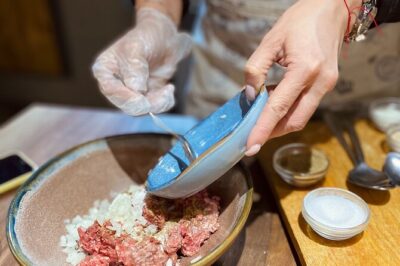 ★ 4.5Small-Group Khinkali and Khachapuri Cooking Class in TbilisiFrom $27224 reviews
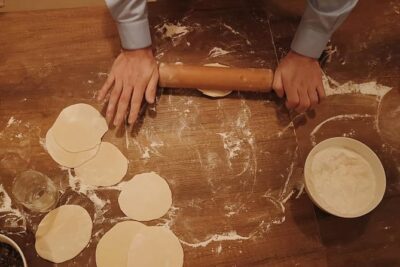 ★ 5.0Cook True Ajarian Khachapuri and Khinkali in Highlanders StyleFrom $3993 reviews
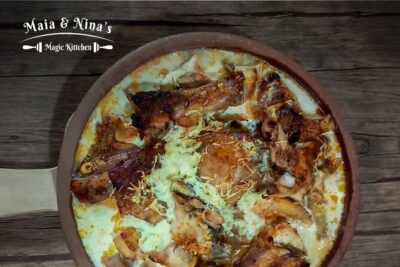 ★ 5.0Maia and Nina’s Magic KitchenFrom $7049 reviews
 ★ 4.5Taste of Kakheti: Wine Tour Bread Baking & Churchkhela WorkshopFrom $1946 reviews
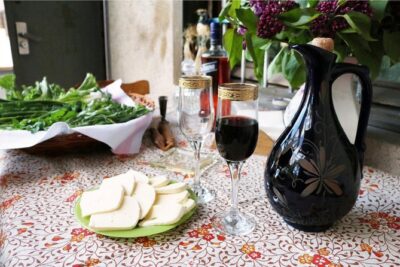 ★ 5.0Join a Local for a Market Tour, Cooking Class and Meal in her Tbilisi HomeFrom $18915 reviews
 ★ 5.0Kakheti Wine Tour with 20+ Wine Tastings & Qvevri MasterclassFrom $1478 reviews
 ★ 5.0Taste of Georgia. Cooking-Class Khinkali, Khachapuri and moreFrom $987 reviews
 ★ 5.0Kazbegi Adventure – Private Day Trip From Tbilisi with a Dinner + MasterclassFrom $1757 reviews
Browse the lists this tour appears in