
Reviewed · TBILISI FOOD & KHINKALI WALKS
Cook True Ajarian Khachapuri and Khinkali in Highlanders Style
You eat better than you cook. In Tbilisi, this hands-on class at Chakandrila teaches you to make Adjaruli khachapuri and khinkali, then you sit down to taste what you made with homemade wine and relaxed conversation.
I especially like the step-by-step coaching and the fact that you leave with practical guidance you can use later, not just a plate of food. One possible drawback: this is a real cooking session, so you should expect hands-on prep time (including a dough resting period for the khachapuri) and a bit of kitchen mess.
In This Review
- Quick hits before you go
- Where Chakandrila fits into your Tbilisi food day
- The Adjaruli khachapuri lesson: boat-shaped, cheesy, and very learnable
- Khinkali like a local: dumplings, folding, and the right kind of patience
- What happens during the 2.5 hours, in plain terms
- The wine and drink part: included, casual, and easy to match
- Private, home-style teaching: what that means for you
- Price and value: why $39 can make sense in Tbilisi
- Who should book this cooking class (and who might skip it)
- Tips to get the best results in the kitchen
- Should you book Cook True Adjarian Khachapuri and Khinkali in Highlanders Style?
- FAQ
- How long is the cooking class?
- Where does the class start in Tbilisi?
- Is this a private activity?
- What dishes are included?
- Is the class taught in English?
- Is homemade wine included?
- Can I request a vegetarian option?
- What’s included in the price besides the food?
- What is the cancellation policy for a full refund?
Quick hits before you go
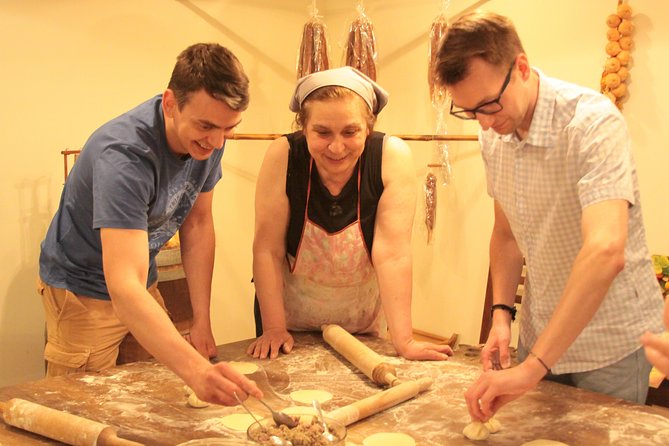
- Adjaruli khachapuri, boat-style: Learn the shape and the cheese-and-egg finish that makes it unmistakable.
- Khinkali shaping practice: You’ll work through the steps for classic Georgian dumplings, including options for non-meat fillings.
- Private class feel: It’s just your group, so you get more attention and fewer awkward pauses.
- Homemade wine included: A glass of house wine (or a non-alcoholic drink) keeps things convivial.
- Home-style workshop setting: The apartment/kitchen atmosphere comes through in how the lesson is taught.
- Recipes beyond the meal: You can expect to get ingredient and method notes you can use again at home.
Where Chakandrila fits into your Tbilisi food day

If your Tbilisi plan is mainly churches, viewpoints, and wandering, this is your palate’s reset button. A cooking class gives you something you can’t buy in a shop: the technique. You’ll learn what makes Georgian food work, not just how it tastes.
The session is based around a cozy cooking workshop called Chakandrila. You’ll meet at Biblusi #8 on Merab Kostava St (the start point), and the experience ends back there. It’s offered in English, and the vibe is casual but focused—hands-on, with clear instruction so you’re not just watching.
The timing is also friendly for a travel day: about 2 hours 30 minutes. That’s long enough to actually cook two courses, but short enough that you won’t feel like you lost an entire afternoon to kitchen life.
More Tbilisi food walks for khinkali, khachapuri and market bites

The Adjaruli khachapuri lesson: boat-shaped, cheesy, and very learnable
Adjaruli khachapuri is the Georgian cheese bread that looks like a little boat. In this class, you make it as a main dish, and it’s the sort of food that rewards attention. The shape matters, and so does the final finish.
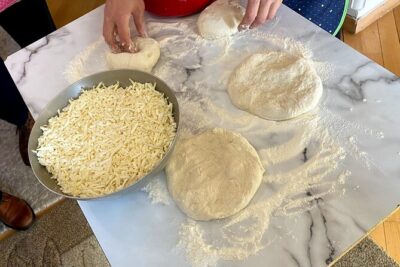
Expect to work with cheese and eggs as part of the cooking. One review even noted that the khachapuri dough needs a rest period—around two hours—so part of your session may include waiting time while dough does its thing. That’s not a problem. It’s also useful to understand, because bread needs time to develop structure, and rushing it leads to results that don’t match what you see on the table.
What I like about the way this class is taught is that you don’t just get told what happens. You get guided through the steps and corrected patiently if your technique is off. In a few accounts, instructors such as Irina, Ella, and Tamara were praised for being friendly and steady, including with beginners who admit they’re clumsy in the kitchen.
You’ll also have time to take notes and photos. One practical plus: if you learn best by seeing it again later, you’ll want those few minutes for your phone camera before the class moves on.
Khinkali like a local: dumplings, folding, and the right kind of patience
Khinkali are Georgian meat dumplings, the kind you eat by lifting, biting carefully, and aiming for that perfect filling-to-dumpling ratio. In this experience, they’re served as the second main part of lunch—typically 5 to 6 khinkali per guest.
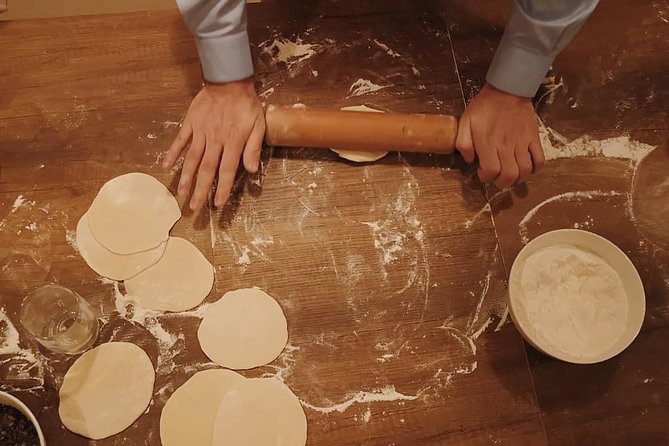
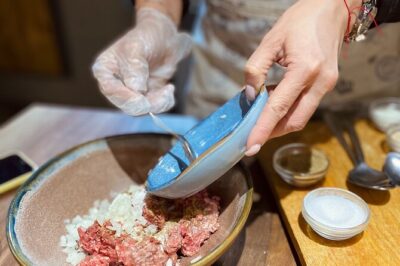
Here’s the practical part: khinkali are all about handling the dough and sealing the dumpling properly. The class is hands-on, so you’re not just tasting. You’ll be guided through how to fill and shape them, which is exactly what you need if you want to recreate them later.
Diet notes matter. The basic idea is that the dumplings are traditional meat-based, but you can request vegetarian options. That isn’t just a theoretical promise—there’s specific mention of a vegetarian approach being prepared when needed. So if you’re avoiding meat, ask for the vegetarian switch ahead of time.
Also, don’t assume khinkali is a quick task. Even when the class moves at a good pace, you’ll want to take your time with the folding and crimping so you don’t end up with dumplings that open during cooking.
What happens during the 2.5 hours, in plain terms
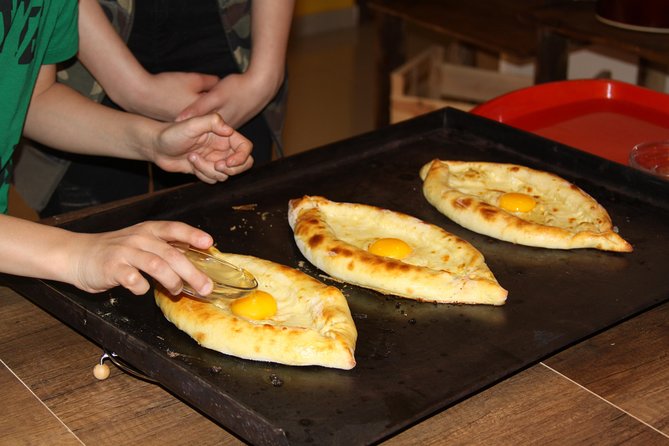
The flow is simple, which is what makes it work well in a small home/workshop setting.
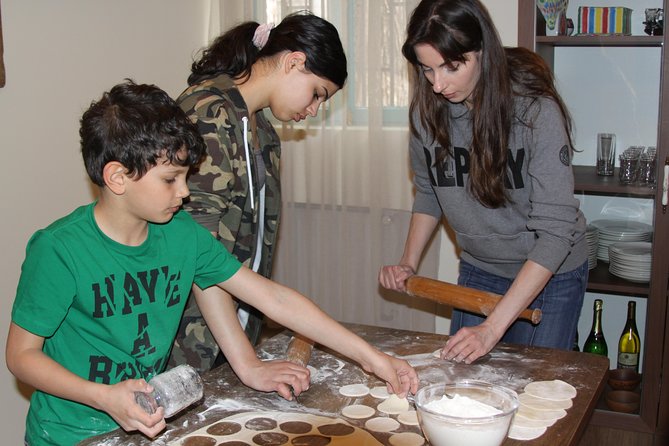
First, you meet at the designated spot in Tbilisi and head to Chakandrila’s workshop space. Then you’ll start cooking together—measuring, mixing, shaping, and learning how to adjust as you go. It’s structured, not chaotic, and you’ll be coached through the process from start to finishing.
As you work, you’ll also learn the cultural meaning behind the dishes—enough context to make the food feel like it belongs to Georgia, not just your itinerary. Several instructors in past sessions were praised for sharing stories along the way, and that personal teaching style is a big part of why people recommend this class so strongly.
Near the end, you taste what you made as lunch. You’ll get Adjaruli khachapuri plus your portion of khinkali. A glass of homemade wine is included, and if you’d rather skip alcohol, non-alcoholic drinks are available as an alternative.
The wine and drink part: included, casual, and easy to match
Food classes are hit or miss on drink. Here it’s built in: you get one glass of homemade wine with lunch.
If wine isn’t your thing, you’ll still have options. The session includes homemade wine or non-alcoholic drinks, so you don’t have to feel stuck with only one choice. That matters when you’re sharing an intimate table setting in someone’s workshop kitchen.
The bigger value isn’t just the wine itself. It’s that the included drink makes the meal part feel like a real Georgian sit-down, not a rushed tasting. You’ll have time to eat and chat, and that’s when the cooking lesson clicks into place.
More khinkali and khachapuri cooking classes we have rolled up in Tbilisi


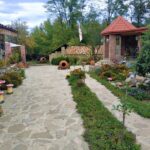
Private, home-style teaching: what that means for you
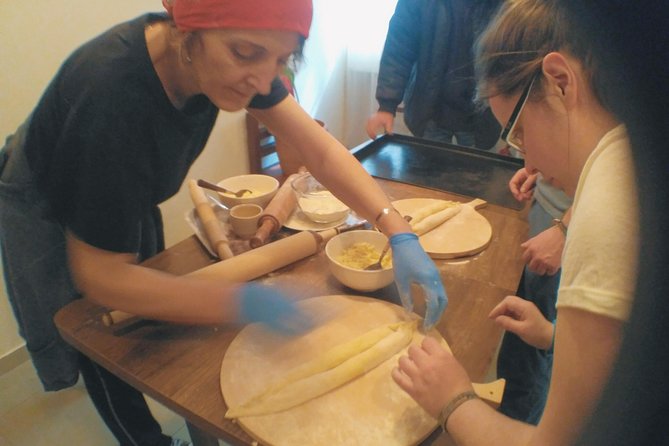
This is a private activity, meaning it’s only your group. That changes the whole feel compared with big group classes where you’re constantly waiting for a turn.
In a home/workshop setting, you’ll notice the difference in how the instructor handles mistakes. Instead of general instructions for everyone, you get patient guidance tailored to what you’re doing. Past sessions specifically praised teachers for being friendly and correcting gently, even for people who said they weren’t confident cooks.
Another nice detail: you can typically ask about vegetarian changes, and the instructor can adjust. There’s also mention of multi-language help—English is offered, and in some sessions instruction has been provided in both English and Russian. If you speak Russian, you might find the class easier to follow; if you don’t, English should be enough.
If you’re the kind of traveler who wants to go beyond a food tour stop and actually learn a technique, the private home setting is a good fit. If you prefer a strict restaurant-style timeline with zero mess and zero waiting, this may feel a bit too hands-on.
Price and value: why $39 can make sense in Tbilisi
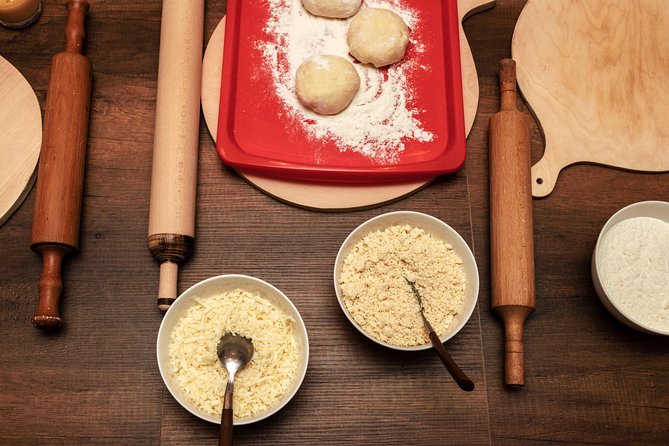
At $39 per person for about 2.5 hours, you’re paying for more than ingredients. The price covers instruction, hands-on coaching, and a plated lunch that includes Adjaruli khachapuri plus 5 to 6 khinkali per guest, along with a glass of homemade wine.
That’s the value equation that matters: you’re getting meals out of the deal, and you’re also getting take-home skill. The class is designed to teach you how to recreate the dishes. Several people mentioned getting written recipes and ingredient guidance so they could make khachapuri and khinkali again later.
One practical note: snacks and extra drinks are not included. If you want more than the set meal and included glass, you may be able to order additional items, but that would be separate.
Still, if you’re currently thinking of doing a restaurant lunch anyway, this is a smart way to spend the day: you eat what you make, and you learn something real.
Who should book this cooking class (and who might skip it)
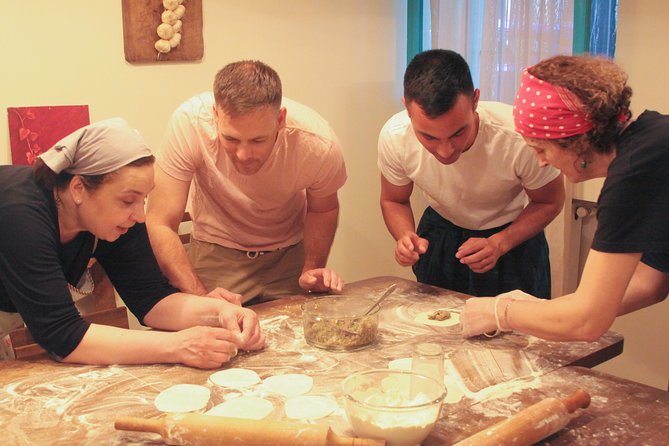
You’ll probably love this class if you:
- Want an authentic Georgian food experience that’s hands-on, not just tasting
- Like learning techniques you can repeat at home
- Travel with someone and want a shared activity that feels personal
- Prefer a private class where questions get answered instead of ignored
You might think twice if you:
- Hate cooking mess and don’t want to handle dough or dumpling filling
- Are very short on time and can’t handle a dough resting period
- Need a very rigid schedule with no flexibility at all
For most food-minded travelers, though, this lands in the sweet spot: intimate, structured, and focused on two dishes that represent Georgia in a way you’ll remember.
Tips to get the best results in the kitchen
These are small things, but they make a real difference.
- Arrive hungry and relaxed. Even with pauses, you’ll be working enough that you’ll appreciate the meal you earn.
- Take notes during the active instruction. People were happy about being able to take photos and write things down, and that helps you recreate the dishes later.
- Plan for dough waiting time. The khachapuri dough rest can add downtime, so don’t expect the class to feel like constant action.
- Ask about vegetarian options early. You can request vegetarian switching for meat-based dishes, and it’s easier when you communicate ahead.
- Expect cheese and eggs. If you have sensitivities, keep this in mind since those ingredients are used in the cooking.
Should you book Cook True Adjarian Khachapuri and Khinkali in Highlanders Style?
If you want a Tbilisi experience that feels like part of daily life—someone teaching you their craft in a workshop kitchen—this is a strong yes. The ingredient load is straightforward, the dishes are iconic, and the class format is designed for real learning: hands-on making, then eating together.
Book it if you’d enjoy mastering two specific Georgian staples: Adjaruli khachapuri and khinkali. The private setup also helps you feel less rushed and more included.
Skip it only if you’re looking for a purely observational tour or you can’t handle a hands-on cooking session with some waiting time.
FAQ
How long is the cooking class?
The class runs about 2 hours 30 minutes (approx.).
Where does the class start in Tbilisi?
You start at Biblusi #8, Merab Kostava St, Tbilisi, Georgia.
Is this a private activity?
Yes. It’s private, so only your group participates.
What dishes are included?
You’ll make and eat Adjarian khachapuri and khinkali. The lunch includes your khachapuri plus 5 to 6 khinkali per guest.
Is the class taught in English?
The experience is offered in English.
Is homemade wine included?
Yes. A glass of homemade wine is included, and non-alcoholic drinks are available as an alternative.
Can I request a vegetarian option?
Meat-based dishes can be switched to vegetarian options. You can ask for a vegetarian option for khinkali.
What’s included in the price besides the food?
Your lunch includes the khachapuri and khinkali, plus a glass of homemade wine. The rest of your food or drink would be extra.
What is the cancellation policy for a full refund?
You can cancel up to 24 hours in advance for a full refund. If you cancel less than 24 hours before the start time, the amount paid will not be refunded.
More from Our Tbilisi Review Desk




More Khinkali and Khachapuri Cooking Classes
More Tbilisi Food and Khinkali Walks

Not quite your thing? More Tbilisi tours and day trips from our review desk











Tbilisi Food & Khinkali Walks, compared.
 ★ 5.0Private Tbilisi Food Tour: 9 Tastings Walk in Bohemian DistrictFrom $79227 reviews
 ★ 4.5Small-Group Khinkali and Khachapuri Cooking Class in TbilisiFrom $27224 reviews
 ★ 5.0Tbilisi Food Tour in a Local FamilyFrom $49113 reviews
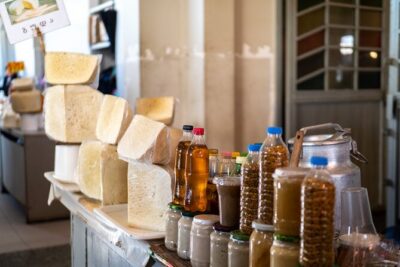 ★ 5.0Old Town and Beyond: A Tbilisi Silk Road Feast with Culinary BackstreetsFrom $12562 reviews
 ★ 5.0Tbilisi City Pub CrawlFrom $3157 reviews
 ★ 4.5Taste of Kakheti: Wine Tour Bread Baking & Churchkhela WorkshopFrom $1946 reviews
 ★ 5.0Private 4 days Food & Wine and Sightseeing tour to Kakheti, Kazbegi, Mtskheta.From $1025 reviews
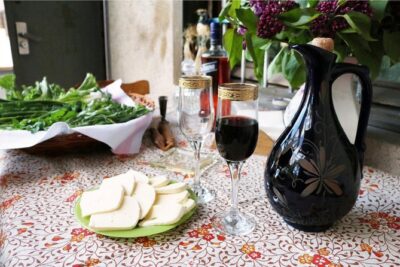 ★ 5.0Join a Local for a Market Tour, Cooking Class and Meal in her Tbilisi HomeFrom $18915 reviews
Browse the lists this tour appears in