
Reviewed · TBILISI FOOD & KHINKALI WALKS
Small-Group Khinkali and Khachapuri Cooking Class in Tbilisi
Khinkali turns lunch into a hands-on game. This small-group class is a fun, focused way to learn classic Georgian dumplings and khachapuri shaping with a friendly instructor, all in downtown Tbilisi.
I especially like the built-in meal: you get Georgian wine, a tomato-based vegetable salad, and a plate of farm cheeses before and alongside what you cook. It feels like a proper Georgian feast without needing to plan anything yourself.
One thing to keep in mind: the session happens in the restaurant hall, not the kitchen, so some steps (and all the hot cooking) may be handled for you. On busy days, timing and group size can also shift a bit, so go with a relaxed mindset.
In This Review
- Key highlights you should care about
- Why this khinkali and khachapuri class fits Tbilisi so well
- The restaurant-hall setup (and what it means for your hands-on time)
- How the lesson flows from dough to filling to khinkali folds
- The khachapuri and khinkali you end up eating
- Wine, cheese, and salad: the built-in Georgian feast feeling
- Meeting point in central Tbilisi: what your arrival feels like
- Group size, timing, and why the lesson can feel different day to day
- Who should book this cooking class (and who might not love it)
- Price and value: why $27.50 can actually be a deal here
- A quick note on the instructors and the vibe
- FAQ
- FAQ
- How long is the khinkali and khachapuri cooking class?
- What’s included in the class besides the cooking?
- Is the class taught in the kitchen?
- What languages is the class offered in?
- What size is the group?
- Where do I meet for the class?
- Can I cancel for a full refund?
- Is the experience suitable for children?
- Should you book it? My practical take
Key highlights you should care about
- Small group up to 6 means more attention and less waiting around at the table
- Restaurant-hall format: you learn by doing, but not by working in the kitchen
- Wine, cheese, salad included so you’re not rationing your appetite
- Khinkali sculpting practice is the moment that makes it feel real
- Instructors bring stories about Georgian feasts and the dishes’ background
- Clear, beginner-friendly instructions help you succeed even if you’ve never folded dough before
Why this khinkali and khachapuri class fits Tbilisi so well
Tbilisi is at its best when you eat your way through the city. This class gives you two of the most famous Georgian comfort foods in one sitting, and you don’t just watch. You work the dough, prep fillings, and learn the motions that make khinkali look right and taste even better.
What makes it work for visitors is the balance. You get a structured lesson with a patient teacher, plus the relaxed vibe of a meal that’s already been planned. I like that it’s not overly formal. You’ll be at a table, working side-by-side with the group, and then you eat what you made.
The other smart part: it’s in central downtown, so it’s easy to fit into a day of sightseeing. If you’re trying to hit old streets, viewpoints, churches, and a meal that actually counts as an activity, this class is a clean match.
More Tbilisi food walks for khinkali, khachapuri and market bites

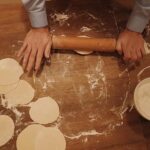
The restaurant-hall setup (and what it means for your hands-on time)
This workshop is designed to be hands-on, but it’s not a kitchen apprenticeship. The lesson runs inside the restaurant hall, not in the kitchen. That matters because it shapes what you do.
Here’s the practical result: you’ll learn key techniques and do major prep tasks, but you may not handle every hot step yourself. The staff can cook behind closed doors, while you focus on assembly, shaping, and getting the dough and filling to the right stage.
In real life, that can look like some parts already being prepared for you (for example, khinkali dough or other time-sensitive components). Don’t let that worry you. The best part of khinkali is the shaping and sealing, and that’s exactly what the class emphasizes. You’ll also prepare components for khachapuri, then spread and bring the cheese to readiness before it goes through the restaurant’s cooking process.
Bottom line: if you want to knead every gram from scratch, you might be slightly disappointed. If you want to learn the steps that make the dishes work and look right, you’ll likely feel satisfied fast.
How the lesson flows from dough to filling to khinkali folds
The class is built like a sequence you can remember. The chef shows, then you repeat the moves, and then you get feedback while the rest of the table follows along.
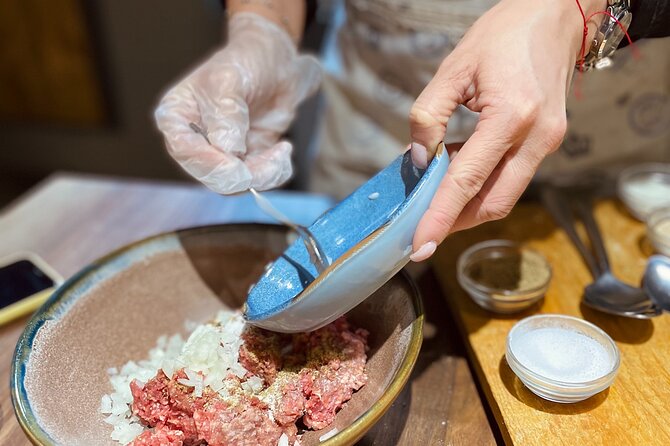
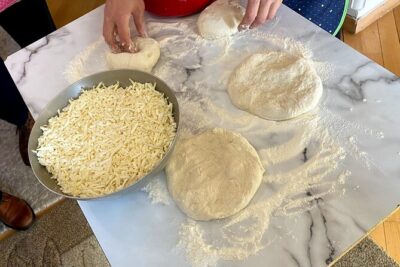
For khachapuri (Imeretian style), you learn dough basics and how to prep the filling. Then you move into the hands-on part: you spread the cheese and get it to the right readiness so the dish can be finished by the restaurant.
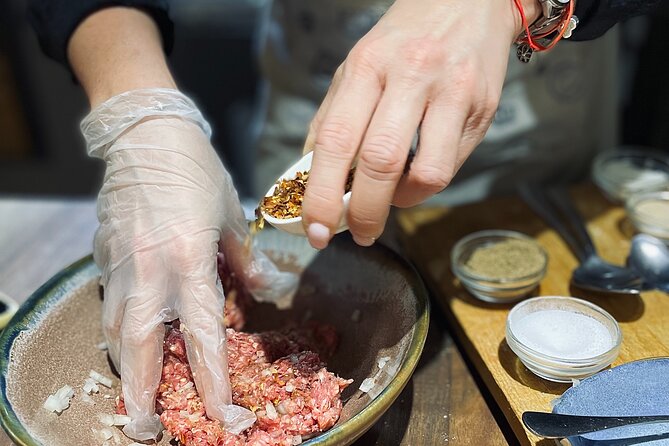
For khinkali, you get a guided explanation of the dough for the dumplings and how to approach the filling. After that, the class shifts into sculpting. This is the part people remember: learning how to bring the dough together into the traditional cinched-ball shape that makes khinkali look like khinkali.
What I like about this format is the learning curve. Folding dough seems intimidating until someone shows you the rhythm. Once you get the first few folds right, you start to see the logic: tension, sealing, and the way the dumplings hold onto the filling. Even if your first attempts are a little lopsided, the instructor coaching helps you correct quickly.
Also, the chef tells stories while you work. Those little breaks are useful. They keep the lesson lively and help you connect technique with culture. You’re not just performing steps; you’re learning why they matter.
The khachapuri and khinkali you end up eating
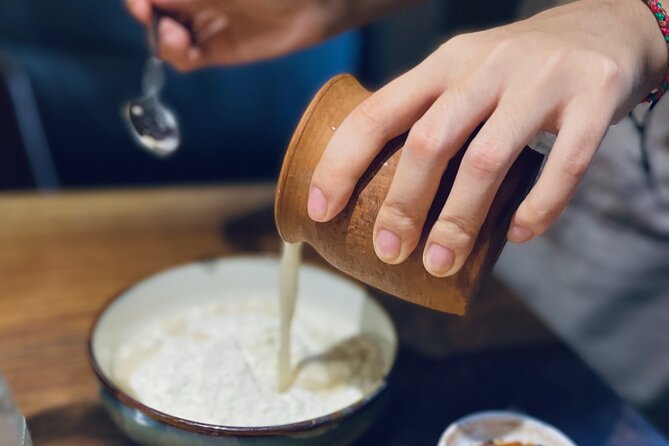
This class doesn’t end when the dough stops moving. Your cooked dishes are served as your meal, and the quantity is a big part of the value.
You’ll make:
- Khinkali: traditionally filled and cooked Georgian dumplings, using options like veal, cheese, or mushrooms for the filling
- Imeretian khachapuri: a Georgian cheese-focused bread, taught in the Imeretian style
You also get a supportive spread:
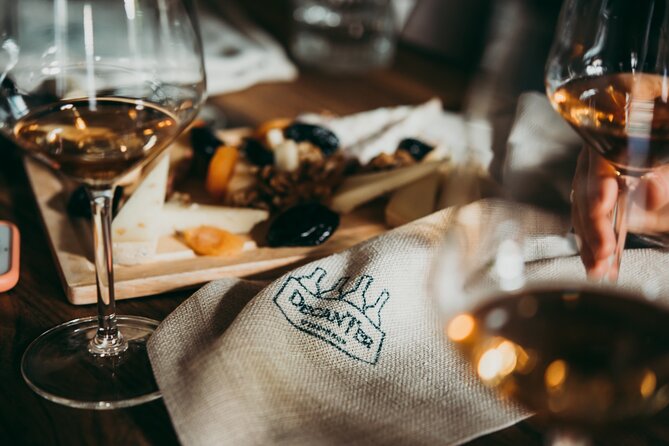
- Georgian wine
- a vegetable salad made from Georgian tomatoes
- a plate of farm cheeses
That combination is a win for two reasons. First, it keeps the meal varied even if you’re still learning and your first khinkali folds aren’t perfect. Second, it makes the class feel like a complete food experience, not a snack-sized workshop.
One note from real-world sessions: wine is included, but sometimes it may be the house option rather than a choice. If you’re picky about wine type (or you don’t drink one style), it’s worth planning around that.
Wine, cheese, and salad: the built-in Georgian feast feeling
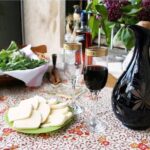
The food starts arriving as soon as you sit down, not after the lesson drags on. You’ll be served Georgian wine, plus a salad and cheese plate that set the tone.
I like the salad here because it’s not generic. It’s built around Georgian tomatoes, which have a way of tasting brighter when they’re treated simply. It’s the kind of side that makes the main dish feel even better, not heavier.
The farm cheeses also help you understand Georgian flavors while you cook. You’re learning dough and filling technique with your mouth already calibrated to the right salty, creamy profile. Then when your own khachapuri comes out warm, it feels like your lesson turned into something you can actually taste and remember.
If you’re the sort of traveler who prefers practical experiences over lectures, this part will make the class click. You get the social and sensory side without sacrificing the cooking.
More khinkali and khachapuri cooking classes we have rolled up in Tbilisi


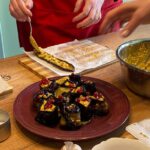
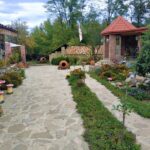
Meeting point in central Tbilisi: what your arrival feels like
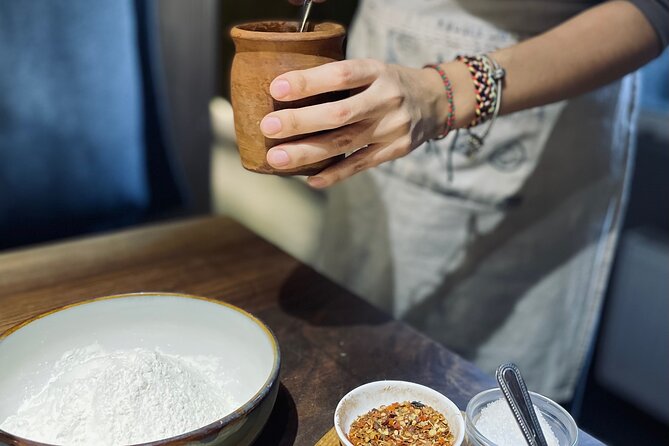
The meeting point is at St.Bunny31 Griboedov St, Tbilisi, Georgia. Since the class is in the heart of downtown, arriving usually feels easy if you’re already walking around the core neighborhoods.
Expect a restaurant setting rather than a private home. That’s not a downgrade. A restaurant hall can feel cozy and organized, especially for a group activity. It also helps if you’re traveling on your own, because you’ll be seated with other participants and the meal flows without awkward downtime.
The workshop ends back at the same meeting point.
Group size, timing, and why the lesson can feel different day to day
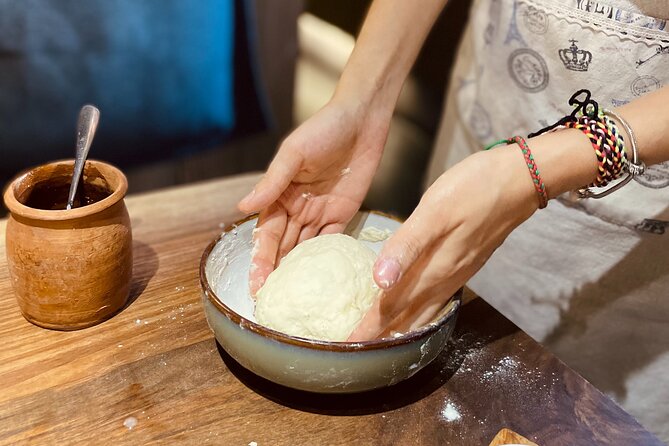
The experience is advertised as a maximum of 6 travelers. In the ideal session, that number is perfect. You get enough space to work at the table, and the instructor can check your folds and your cheese spread.
Still, you should know this is a popular activity. Some days can run with slightly larger groups, and that can shift the feel. When that happens, you may get less one-on-one attention and more waiting while staff rotate dishes or portions.
Timing can also be slightly elastic. The class is listed at around 2 hours, but practical sessions can run closer to 2–3 hours depending on the flow of the restaurant and how quickly the group moves.
My practical advice: plan a little breathing room around this. Don’t stack it right before a must-see appointment. Give yourself space to enjoy the meal instead of watching the clock.
Who should book this cooking class (and who might not love it)
This is a great fit if you:
- want a hands-on way to learn Georgian staples like khinkali and khachapuri
- like small groups and chatting with new people
- appreciate cultural stories that show up during the cooking steps
- are a beginner who wants clear guidance
It’s also good for families. One session I saw described included two adults and kids (including a 2-year-old and an 8-year-old), with a full meal and wine included for the adults. If you’re traveling with kids, the table format can actually help, because you can keep things simple and seated.
Where it might not fit:
- If you’re expecting a full-on kitchen workshop where every step is done by participants from scratch, you might feel limited since it’s not held in the kitchen and some hot cooking can be handled for you.
- If you’re extremely sensitive to schedule changes, you’ll want to keep your afternoon flexible.
Price and value: why $27.50 can actually be a deal here
At $27.50 per person, this class is priced like a budget-friendly food experience. The value comes from what’s bundled: instruction plus a full meal setup (wine, salad, cheese) plus the dishes you cook and eat.
If you’ve paid for cooking classes elsewhere, you know the common pattern: either you get small portions and minimal instruction, or you pay more and still end up watching most of the process. Here, the structure is designed to get you actively working—especially with khinkali shaping—and then eating what you made.
Add in the downtown convenience and the small-group feel, and it becomes a smart way to spend a chunk of a Tbilisi day without hunting for dinner plans. You can think of it as both a class and a meal reservation, bundled together.
A quick note on the instructors and the vibe
Different sessions may have different teachers, and you might meet chefs who bring their own style. Some names that have shown up include Chef Vladimir, Artem, and Seva. What they have in common from what I’ve seen described is friendly humor, patient step-by-step coaching, and story sharing about Georgian feasts and the traditions behind toasts.
That matters because it turns technique into confidence. When the instructor jokes while explaining the process, you’re more likely to relax, ask questions, and actually enjoy the mess. If you’re cooking for the first time, that atmosphere is a big part of success.
Also, some classes share recipe cards at the end, which is useful if you want to try again at home without reinventing the steps.
FAQ
FAQ
How long is the khinkali and khachapuri cooking class?
It runs for about 2 hours.
What’s included in the class besides the cooking?
You get Georgian wine, a vegetable salad made from Georgian tomatoes, a cheese plate, and the khinkali and khachapuri you prepare.
Is the class taught in the kitchen?
No. The instruction happens in the restaurant hall, not in the kitchen.
What languages is the class offered in?
It’s offered in English.
What size is the group?
The class is limited to a maximum of 6 travelers.
Where do I meet for the class?
Meet at St.Bunny31, Griboedov St, Tbilisi, Georgia.
Can I cancel for a full refund?
Yes. You can cancel up to 24 hours before the experience start time for a full refund.
Is the experience suitable for children?
It can be. One session was described as recommended for kids, including a group with an 8-year-old.
Should you book it? My practical take
If you want one clear, fun food activity in Tbilisi that teaches you real technique and ends with you eating a satisfying meal, I’d book this. The small-group attention, the hands-on khinkali sculpting, and the fact that wine, salad, and cheese are included make it strong value for the price.
Just go in with the right expectations: it’s not a kitchen where you do every step from scratch. It’s a restaurant-hall workshop that focuses on the essential work you can learn quickly and do confidently.
If your schedule is tight, choose a time when you can stay flexible for a bit of restaurant pacing. And if you have strong preferences about wine, double-check what’s available when you book.
For most visitors, this is an easy yes: cook two Georgian classics, learn the moves that matter, and leave with enough confidence to try again later.
More from Our Tbilisi Review Desk




More Khinkali and Khachapuri Cooking Classes
More Tbilisi Food and Khinkali Walks

Not quite your thing? More Tbilisi tours and day trips from our review desk












Tbilisi Food & Khinkali Walks, compared.
 ★ 5.0Private Tbilisi Food Tour: 9 Tastings Walk in Bohemian DistrictFrom $79227 reviews
 ★ 5.0Tbilisi Food Tour in a Local FamilyFrom $49113 reviews
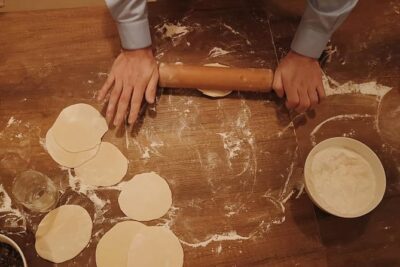 ★ 5.0Cook True Ajarian Khachapuri and Khinkali in Highlanders StyleFrom $3993 reviews
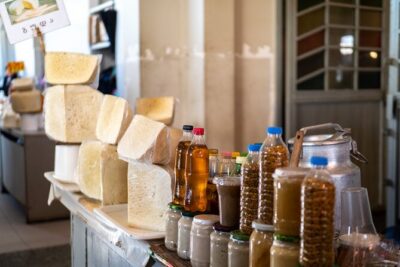 ★ 5.0Old Town and Beyond: A Tbilisi Silk Road Feast with Culinary BackstreetsFrom $12562 reviews
 ★ 5.0Tbilisi City Pub CrawlFrom $3157 reviews
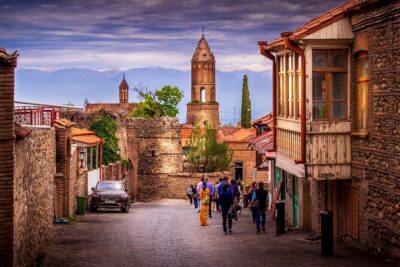 ★ 4.5Taste of Kakheti: Wine Tour Bread Baking & Churchkhela WorkshopFrom $1946 reviews
 ★ 5.0Private 4 days Food & Wine and Sightseeing tour to Kakheti, Kazbegi, Mtskheta.From $1025 reviews
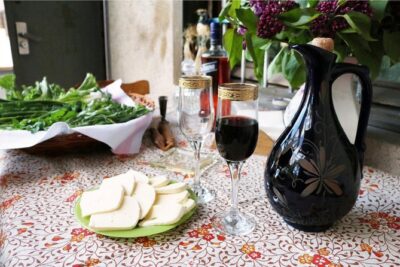 ★ 5.0Join a Local for a Market Tour, Cooking Class and Meal in her Tbilisi HomeFrom $18915 reviews
Browse the lists this tour appears in