
Reviewed · KAKHETI QVEVRI WINE COUNTRY
Taste of Kakheti: Wine Tour Bread Baking & Churchkhela Workshop
Bread, wine, and walls in one day. This Kakheti tour strings together hands-on workshops and big-view stops, moving from Tbilisi into Georgia’s wine country with a small-group feel. I like that you get practical sightseeing time plus food you actually make, not just watch from the sidelines. Homemade Kakhetian bread is one of the highlights, and the Sighnaghi fortress wall walk makes the day feel like more than a tasting trip. One catch to keep in mind: service quality can vary depending on the guide and how the group is managed, so if you care a lot about English-only explanations, go in with flexible expectations.
You also get a monastery stop that’s calmer than the city viewpoints, followed by Telavi breaks that are made for photos and quick stretching legs. The day is designed for a smooth loop: pick-up, multiple stops, then tastings in the wine cellar, where tradition is part of the experience, not just the product. The possible drawback is that lunch and drinks aren’t included, and some diners end up feeling pressured to order alcohol at the restaurant stop.
In This Review
- Key things I’d mark on your map
- From Tbilisi pickup to Kakheti day-trip rhythm
- Stop 1: Badiauri bread baking and tasting (where your hands get busy)
- Stop 2: Sighnaghi fortress wall walk and Alazani Valley views
- Stop 3: Bodbe Monastery of St. Nino, gardens, vines, and a healing spring
- Stop 4: Telavi’s Giant Plane Tree stop for quick city-to-vineyard perspective
- Stop 5: Telavi wine cellar tastings, chacha, and churchkhela making
- Gombori area: the nature pause built into the route
- Group size, English support, and what can affect your day
- Price and value: why this $19 ticket can feel worth it
- Who this tour suits best (and who should skip it)
- Quick practical checklist before you go
- Should you book Taste of Kakheti?
- FAQ
- What is included in the tour price?
- How long is the Taste of Kakheti tour?
- Is pickup available in Tbilisi?
- Where do the tour and pickup start and end?
- Is lunch included?
- What if the tour is canceled due to weather?
Key things I’d mark on your map
- Kakhetian bread baking masterclass where you participate, not just taste
- Churchkhela making workshop tied into the wine-country culture
- Sighnaghi fortress wall walk with Alazani Valley and Caucasus views
- Bodbe Monastery of St. Nino with gardens, vineyards, and a healing spring
- Telavi’s Giant Plane Tree for fast, classic skyline photos
- Small group size (max 17) helps keep the day from feeling chaotic
From Tbilisi pickup to Kakheti day-trip rhythm
This is an easy way to see Kakheti without planning your own route. Tours like this work best when you’re okay with a full day: you’ll be on the move, but you’ll also get enough time at each stop to actually enjoy it. The starting point is 36 Shota Rustaveli Ave in Tbilisi, and the day runs about 8 hours, starting at 9:00 am.
What I like for value is that the ticket covers the big essentials: transportation, a guide, and the structured experiences—wine tasting, bread baking, and churchkhela. At $19 per person, this isn’t trying to be a luxury private tour. It’s built to keep costs down with a group format (max 17 travelers), which usually means shorter individual time at each place, but more inclusion overall.
You should plan your expectations around the “group-tour reality.” The pace is steady and the itinerary is fixed, so you can’t wander off for long. Also, lunch isn’t included—there’s an average estimate for food and drink costs of about $7 per person, and what you spend depends on what you order.
More Kakheti qvevri wine trips we have poured through from Tbilisi

Stop 1: Badiauri bread baking and tasting (where your hands get busy)
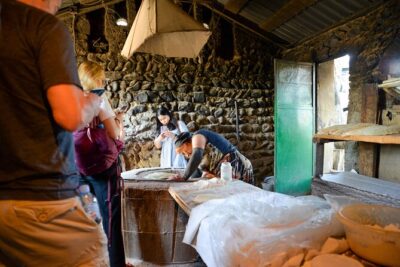
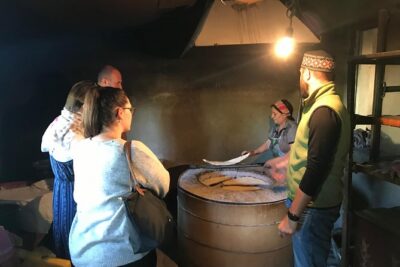
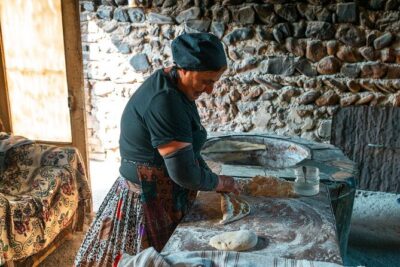
Badiauri is where the tour starts cooking up the day’s theme: local bread. You’ll first get to taste traditional Kakhetian bread, and then you’ll make it yourself. It’s about a 40-minute slot, which is short, but enough to feel like a real workshop rather than a quick demonstration.
The benefit of this kind of bread stop is that it gives you something tangible to connect to later tastings and sweets. In wine regions, food techniques often travel alongside grape culture. Bread becomes a bridge: it’s local, practical, and it anchors your sense of the area beyond scenery.
What to keep in mind: you’ll likely handle dough, and you’ll want to be comfortable with the idea that your hands might get a little messy. Wear clothes you don’t mind adjusting afterward. Also, because the session is timed, you’ll get less freedom than a standalone bakery visit—but you’ll leave with the satisfaction of doing it, not just buying it.
Stop 2: Sighnaghi fortress wall walk and Alazani Valley views
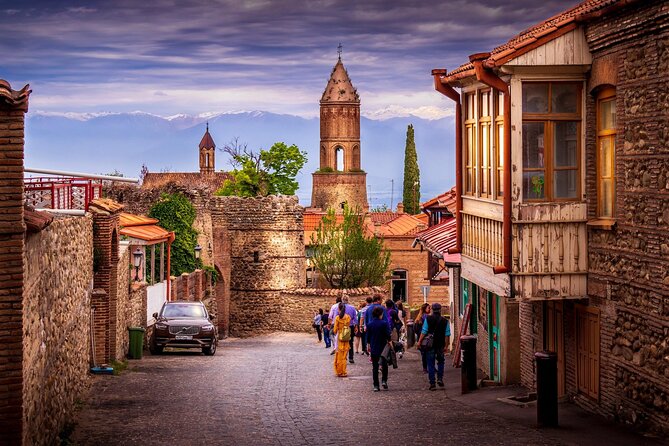
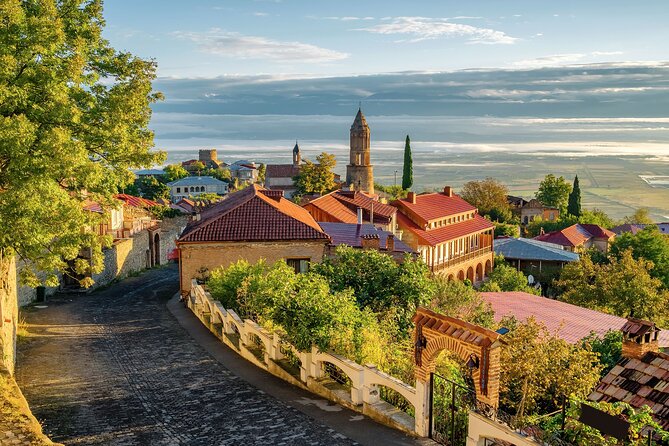
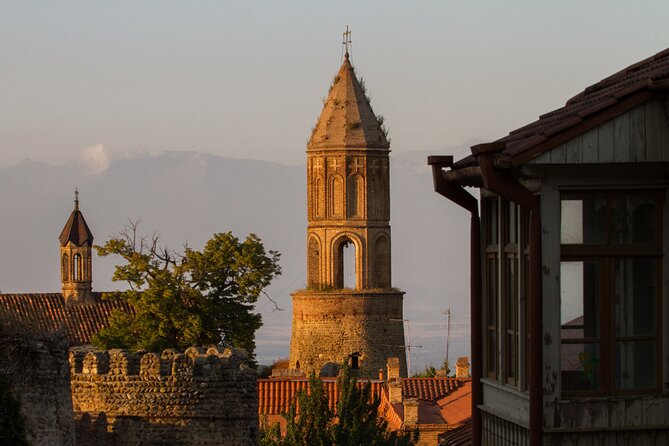
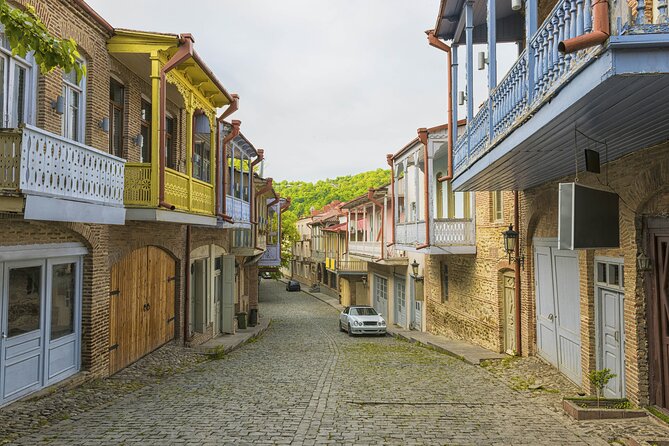
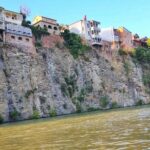
Next comes Sighnaghi, often called the City of Love, with its famous wedding culture and its historic walls. The key experience here is a guided walk along the fortress wall, about 2 hours on the ground.
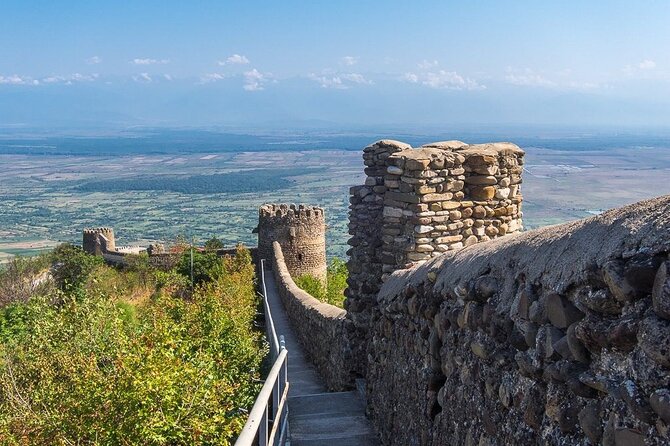
I like Sighnaghi for the way it mixes views with structure. From the wall, you get breathtaking panoramas over the Alazani Valley and toward the Caucasus Mountains (including snow-capped peaks when conditions allow). There’s also a fun fact that the wall length is almost second only after the Great Wall of China—whether you treat that as trivia or a motivation to look up, it adds context to why this town feels built for looking outward.
Drawback? Wall walks come with stairs and uneven spots. This stop is ideal if you enjoy photos and walking. It’s less ideal if you want a more relaxed, sitting-only experience. Bring water, and if you’re sensitive to sun, a hat helps. Your best photos usually happen when you’re patient at viewpoints rather than rushing through.
Stop 3: Bodbe Monastery of St. Nino, gardens, vines, and a healing spring
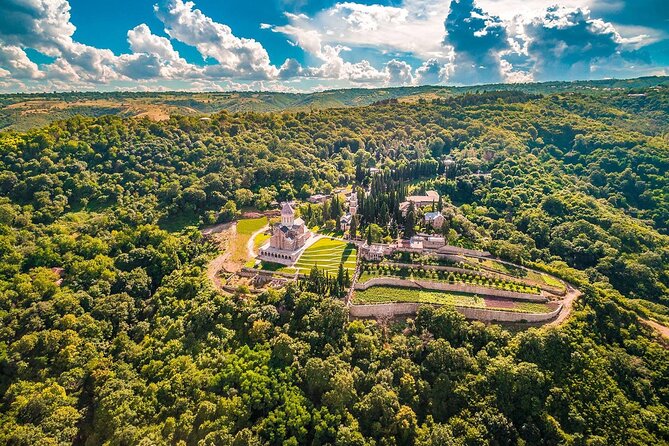
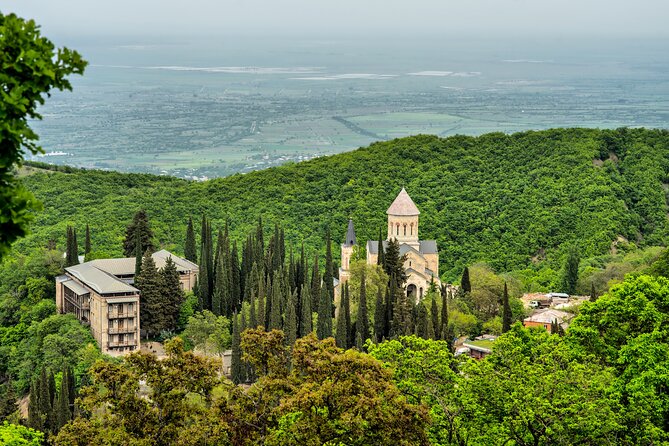
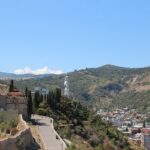
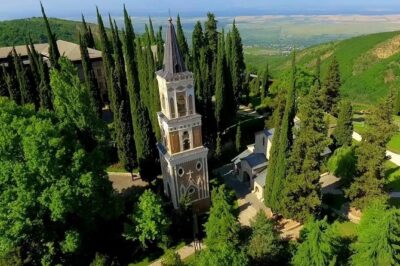
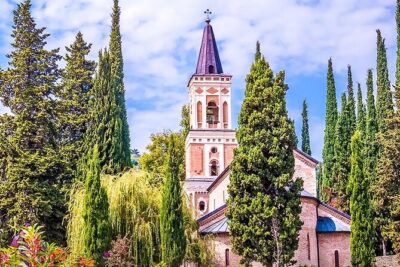
Bodbe Monastery of St. Nino gives you a calmer emotional pace after Sighnaghi’s viewpoint energy. You’ll spend about an hour here.
The setting is part of the appeal: the monastery territory is described as decorated with flower beds and bushes, with vineyards and a healing spring on site. The monastery’s history connects to the adoption of Christianity, which helps explain why this place feels more like a spiritual landscape than a mere tourist stop.
This is a good stop for slowing down, even if you’re not a big museum person. You’ll get a mix of nature elements and religious context in a way that’s easier to absorb than trying to pack too many formal stops in one day.
What to be aware of: religious sites often have specific expectations for clothing and behavior. The tour timing is only about an hour, so you won’t have time for a long, wandering visit—plan to see the main areas and then enjoy the quiet.
Stop 4: Telavi’s Giant Plane Tree stop for quick city-to-vineyard perspective
Then you’re in Telavi for a short break centered on a local landmark: the Giant Plane Tree of Telavi. You’ll have about 35 minutes.
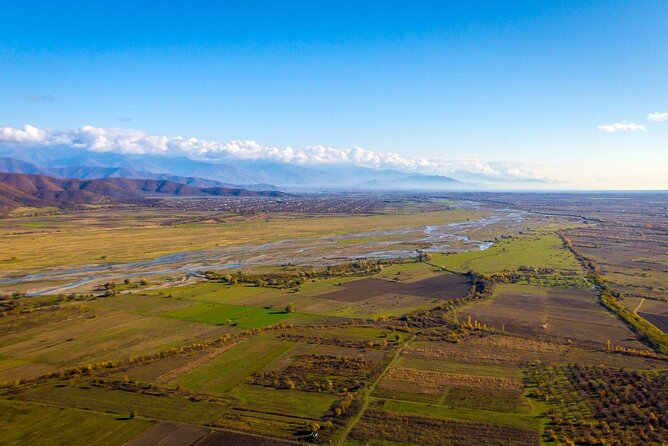
This stop works because it’s fast and visually rewarding. The plane tree is centuries-old and near the city center, and the surrounding area gives you a panoramic sense of the Alazani Valley—with vineyards stretching out and the Caucasus in the distance.
I like these kinds of stops because they reset your body. After longer walks and workshop timing, a shorter “stand, look, photograph, breathe” slot makes the rest of the day feel manageable.
Downside: it’s still a group timetable. So if you’re hoping for a long cafe break or an extended stroll, you might want to pair this tour with an independent plan later in the evening.
More Tbilisi food walks for khinkali, khachapuri and market bites




Stop 5: Telavi wine cellar tastings, chacha, and churchkhela making
The final big cultural cluster happens at a Telavi wine cellar. This is where the tour leans into Georgia’s signature flavor language: wine tasting plus chacha.
You’ll taste multiple wines made from this side (the tour doesn’t list exact varieties), and you’ll also try chacha, which the tour describes as a homemade vodka. Along the way, the cellar introduces you to old traditions and culture of winemaking, so you’re not just sampling blindly.
And yes, there’s also churchkhela making included. Churchkhela is the kind of sweet people associate with grape culture, and the workshop format means you’re not only tasting—you’re taking part in the ritual craft behind the product.
A practical tip: if you’re sensitive to alcohol, pace yourself. Tastings can add up faster than you expect, especially after a day of walking and outdoors time. If you plan to drink, keep water on board and avoid rushing through each pour.
Also, if you’re the type who cares about language, pay attention to how explanations are handled during the cellar portion. One piece of feedback from past participants was that group language allocation and commentary style could lean toward Russian, with reduced detail for English speakers. I can’t promise every tour day will match that, but it’s a good heads-up: if you want deep narration, you might appreciate a quick Google refresh on the basics before you go.
Gombori area: the nature pause built into the route
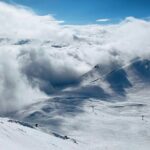
Between the wine-cellar time and the main evening flow back, you’ll get an additional hour in the Gombori mountain area. The tour frames it as a scenic escape suited for panoramic views and nature walks, with the area known for biodiversity.
This is a practical inclusion because it gives your day a break from workshops and tastings. You’ll probably want to use this time for simple sightseeing rather than expecting a long hike. If weather is clear, it’s a great moment to enjoy the wider view and take a few photos that don’t look like every other wine-trip postcard.
If the weather turns, the tour still requires decent conditions. If it’s canceled due to poor weather, you’ll be offered a different date or a full refund.
Group size, English support, and what can affect your day
This tour runs with a maximum of 17 travelers, which is small enough that you usually won’t feel like you’re in a bus cattle-car situation. The guide is there to coordinate and explain, and pickup is designed to be easy, including pickup from hotels or the airport.
Still, here’s the reality check. A couple of experiences described serious differences in how the day felt depending on the guide and the on-the-day organization. One account criticized the guide named Giorgi, saying the guide spoiled the tour. Another described a lunch stop that felt disorganized, with delays and bills mixed up, plus a heavy sales push for alcohol and less explanation for English speakers when Russian language was favored.
You can’t control those variables as a customer, but you can reduce the risk. Here’s what you can do:
- Go in ready to ask simple questions when you don’t fully understand something.
- If alcohol upselling is not your thing, choose your order early and stick to it.
- Treat lunch as separate from the tour value. The tour provides the structure and tastings; the restaurant part is where the experience can vary.
The good news? The itinerary includes enough scheduled “experience anchors” (bread, wall walk, monastery, plane tree, wine cellar, churchkhela) that even if one piece stumbles, the day isn’t completely dependent on it.
Price and value: why this $19 ticket can feel worth it
At $19, this tour is priced for people who want a lot of included pieces without paying for private transportation. What drives the value isn’t just the transportation; it’s the combination.
You’re paying for:
- Bread baking masterclass
- Churchkhela making
- Wine tasting and chacha
- A guide
- Multiple stops that cover viewpoints and cultural sites
Food and drinks are not included, and the average estimate listed is around $7 per person. That’s a fair way to frame it: the lunch bill is the only major “unknown” portion of your day, while the rest is baked into the ticket.
So if you’re the kind of traveler who would otherwise pay separately for tastings and workshops, this bundle can be a cost-saver. If you’re mainly interested in one element—say, only wine—then this set format may feel like a lot of moving parts for your taste. But if you like variety and want your day to feel full, it’s strong value.
Also useful: there’s space for up to 40 kg of luggage, which can matter if you’re doing a multi-day trip and don’t want to drag bags back and forth.
Who this tour suits best (and who should skip it)
This tour fits best if you want a single-day introduction to Kakheti that includes both culture and food. It’s especially good for:
- First-timers who want an organized route from Tbilisi
- People who enjoy hands-on workshops like bread making and churchkhela
- Travelers who like scenery but don’t want to drive
It may not be the best fit if:
- You prefer slow travel with lots of free time
- You want strict, uninterrupted English commentary
- You dislike any alcohol pressure during restaurant stops
If you fall into the “I’m flexible and I want the highlights” category, you’re likely to enjoy this day. If you’re highly detail-driven about service and guide style, it’s smart to be mentally prepared for day-to-day variation.
Quick practical checklist before you go
- Bring a small water bottle for outdoor stops, especially during the Sighnaghi walk
- Wear shoes you can handle on uneven stone and stair sections
- Plan for lunch costs on your own (and decide your comfort level with alcohol ordering)
- If you’re carrying extra items, remember the tour includes luggage space up to 40 kg
- Expect a full day rhythm from 9:00 am onward
Should you book Taste of Kakheti?
If you want an efficient Kakheti intro with bread you make, sweet you craft, and tastings you can compare, I’d say yes, book it. The core experiences are varied enough to make the 8 hours feel packed in a satisfying way, and the price is hard to beat for what’s included.
I’d pause before booking if you’re very sensitive to organization issues or you need consistently strong English narration. In that case, go in with a calm attitude, be ready to ask questions, and treat the restaurant part as optional to your overall enjoyment.
Overall, this is the kind of tour that works best when you show up open to a busy day—and let the workshops and viewpoints do most of the heavy lifting.
FAQ
What is included in the tour price?
The tour includes transportation, a guide, wine tasting, a bread baking masterclass, churchkhela making, space for up to 40 kg of luggage, and free time for activities.
How long is the Taste of Kakheti tour?
The duration is about 8 hours.
Is pickup available in Tbilisi?
Yes. Pickup can be arranged from hotels or the airport for ease.
Where do the tour and pickup start and end?
The tour starts at 36 Shota Rustaveli Ave, Tbilisi, Georgia, and ends back at the same meeting point.
Is lunch included?
No. Food and drink costs are not included, and there’s an average estimate of about $7 per person depending on what you order at the restaurant.
What if the tour is canceled due to weather?
If the experience is canceled due to poor weather, you’ll be offered a different date or a full refund.
More Khinkali and Khachapuri Cooking Classes

More Tbilisi Food and Khinkali Walks

More Kakheti Qvevri Wine Days
Not quite your thing? More Tbilisi tours and day trips from our review desk





Kakheti Qvevri Wine Country, compared.
 ★ 5.0Day Trip to Kakheti Wine Region Including 9 Wine TastingsFrom $292,774 reviews
 ★ 5.0Kakheti Wine Region: Signagi and Bodbe Tour with 10 Wine TastingsFrom $131,019 reviews
 ★ 5.0Kakheti;City of Love Sighnaghi, Bodbe. KTW. Wine House Group tourFrom $16376 reviews
 ★ 5.0Kakheti: Bodbe, Sighnaghi, Telavi Wine Tour from TbilisiFrom $20307 reviews
 ★ 4.5Day tour to Kakheti wine region GeorgiaFrom $31223 reviews
 ★ 5.0Full Day Private Wine Tour in Kakheti Region with Lunch and 3 Wine TastingsFrom $185207 reviews
 ★ 5.0From Tbilisi Magical Kakheti – Sighnaghi, Bodbe & Chronicles TourFrom $16195 reviews
 ★ 5.0Kakheti – Small wineries and family-cooked lunch • Private tourFrom $116151 reviews
Browse the lists this tour appears in