
Reviewed · TBILISI FOOD & KHINKALI WALKS
7-Day Georgian Wine and Culinary Private Tour with Cooking Class
Georgia’s wine trail hits with a clear plan. This private 7-day route from Tbilisi pairs winery visits with a master cooking class, plus plenty of traditional meals and tastings.
I especially like the small-group setup (max 6 people), because it keeps the days relaxed enough to actually talk. I also like that the itinerary mixes well-known names with more local-style stops, so you get both the wow factor and the everyday Georgian way of eating and drinking.
One thing to think about first: this is a full-driving, tasting-heavy week. If you’re not a wine person, or you prefer slower days with minimal tastings, you might find the pace a bit intense.
In This Review
- Key points to look for
- Private 7-day Wine and Culinary Route From Tbilisi
- What the Small Group Setup Gets You (and Where It Still Feels Tight)
- Tbilisi Start: Sarajishvili Brandy, Chateau Mukhrani, and the Master Cooking Class
- Kakheti Day: Telavi, Monasteries, Underground Khareba, and Churchkhela
- Signaghi and Pheasant’s Tears: Bread-and-Cheese Breaks With Modern Tasting Rooms
- Kutaisi and Western Georgia: Uplistsikhe, Stalin’s Museum, and Gelati Monastery
- Racha and Oni: Bugeuli Winery, Family Cellars Near Ambrolauri, and Barakoni Monastery
- Shaori Lake, Nikortsminda Cathedral, and Prometheus Caves: Mountain Stops That Add Breathing Room
- Return Through Mtskheta and Final Tbilisi: Katshki Pillar, Svetitskhoveli, Jvari, and the Folk Show Gala
- Price and Logistics: What You’re Really Paying For
- What’s Included (and What You Should Budget Separately)
- Who This Tour Fits Best
- Should You Book This Georgian Wine and Culinary Private Tour?
- FAQ
- What does the tour include besides wine tastings?
- How many people are in the group?
- Where does the tour start, and what time does it begin?
- What kinds of food and activities are planned?
- Are lunches included?
- Can I cancel and get a full refund?
Key points to look for
- Private group size (max 6): more time with your guide and fewer “bus-tour” moments
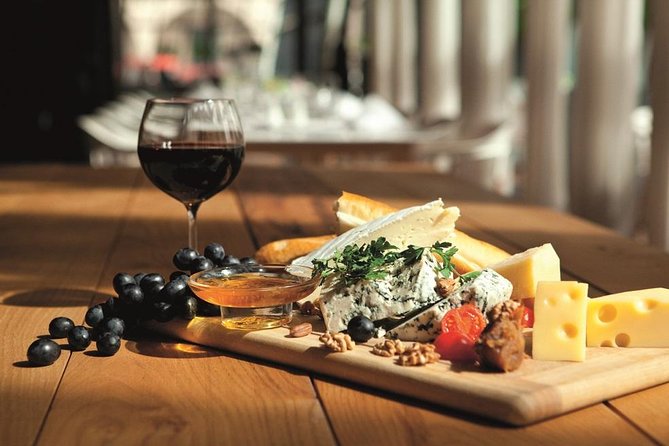
- Winery variety: branded stops like Sarajishvili plus family cellars and even underground tastings
- Hands-on cooking class: you’ll learn to make Georgian dishes, not just watch
- Monasteries and cave towns in the mix: history stops that also break up the driving
- Comfortable transport: air-conditioned, climate-controlled minivan with round-trip transfers
- Memorable finale: gala dinner with a national folk show back in Tbilisi
Private 7-day Wine and Culinary Route From Tbilisi
This tour is designed for people who want Georgia to feel like more than a list of sights. You’ll start in Tbilisi and spend a week moving across the big wine areas, with tastings and food stops scheduled daily. The pace is active, but the structure is practical: the minivan handles the logistics, and your guides handle the context.
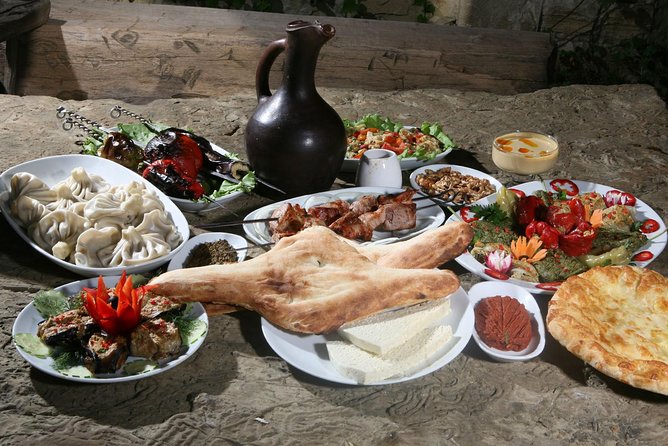
What I like most is the way the food and wine are treated as culture, not souvenirs. You’re not only sampling drinks; you’re also getting the flavors, ingredients, and cooking approach that explain why Georgian wine tastes the way it does. And because it’s private, you’re more likely to ask questions as you go instead of waiting for a group cue.
The tour also gives you built-in time for real meals. You’ll have breakfasts and dinners included, and you’ll have major Georgian eating moments lined up through the week. That matters, because wine tasting without proper food (or without a meal rhythm) can turn a fun day into a tiring one.
More Tbilisi food walks for khinkali, khachapuri and market bites


What the Small Group Setup Gets You (and Where It Still Feels Tight)
The tour runs as a private experience with a maximum of 6 people per booking. That sounds small because it is. In practice, it usually means you get quicker answers from your local guide, and you can adapt your day if someone wants a short bathroom stop or a photo detour.
But let’s be honest: “small group” doesn’t mean “slow trip.” This itinerary includes multiple regions in 7 days, so you’ll spend time on the road. The upside is that you see a lot of Georgia without planning anything. The downside is that you won’t have hours of free time to wander off on your own.
Also, expect the days to be tasting-friendly. Even with bottled water provided and meals on the schedule, you’ll be sampling wine repeatedly. If you get tired quickly from alcohol-heavy days, consider pacing yourself and sipping water between tastings.
Tbilisi Start: Sarajishvili Brandy, Chateau Mukhrani, and the Master Cooking Class
Your week begins in Tbilisi, and the opening stretch is a smart combo: spirits, wine, then food skills. The first listed stop is the Sarajishvili brandy factory. Even if you’re mainly chasing wine, a spirits factory is a useful opener because it shows the wider Georgian tradition of grape-based production, not just what you order at dinner.
Next comes a meal-and-wine moment at Chateau Mukhrani, a restaurant with its own vineyard. This is a good place to start understanding how Georgian dining ties into agriculture. Look at how they frame the wines for food, because that theme returns throughout the tour.
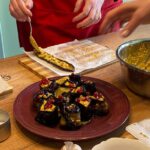
Then you hit the highlight: a culinary masterclass focused on Georgian delicacies. This is the part that turns the trip from “tasting” into “learning.” Once you know techniques and ingredient logic, you’ll start recognizing dishes on later days. And when you return home, you’ll have a real skill to practice, not just a memory of flavors.
In the evening, you’ll end up with a traditional Georgian feast at Barbarestan, described as home-style cooking with seasonal ingredients in a stylish district. That’s a fun contrast after the winery-and-instruction day: you go from learning methods to experiencing them in a full meal setting.
Kakheti Day: Telavi, Monasteries, Underground Khareba, and Churchkhela
Day two takes you into Kakheti, Georgia’s eastern wine region. This is where the tour really leans into wineries and the grape culture behind them. You’ll start with Telavi and explore the Alexander Chavchavadze Estate Museum, then make time for the Alaverdi Monastery and the Gremi Monastery.
Those monastery stops do more than add pretty architecture. They also break up the sensory load of tasting days. Monasteries give context for why grapes, food, and hospitality matter across centuries in Georgia—especially since religious sites are closely tied to land, farming, and community life.
After sightseeing, you’ll taste wine at Twins Wine Cellar in Napareuli, described as a rustic vineyard and museum. That’s a nice change from polished tasting rooms because it makes the experience feel more grounded.
Next is Ikano Winery for lunch and another tasting. After that, you visit Khareba Winery, located in a former bomb shelter, with a special tasting in an underground tunnel. Underground tastings are more than a gimmick here. Temperature and humidity control can shape how wine feels in the glass, and the setting makes you slow down.
The following day also brings iconic Georgian snack culture: churchkhela, a traditional sweet made from grape juice. It’s a small detail, but it’s exactly the kind of food link that helps you understand the grape-to-dish mindset of the region.
Then you’ll have wine tasting time at Teliani Valley Winery, followed by another masterclass at Shumi Winery. You’ll be building skills while also seeing how different producers talk about their wines—an underrated education style.
Signaghi and Pheasant’s Tears: Bread-and-Cheese Breaks With Modern Tasting Rooms
As the itinerary moves forward, Signaghi comes into play, the red-roofed town at the heart of the wine region. This stop works because it’s not just a viewpoint day. You also get scheduled tastings and food moments that keep you from “sightseeing fatigue.”
One of the standout wine visits here is Pheasant’s Tears Winery, noted for its modern interpretive cuisine and a rich wine selection. Even without details on menus, you can treat this stop as your “compare and contrast” moment: you’ll see how wine culture can be presented in different styles, from traditional meals to a more modern, designer approach.
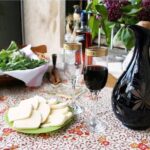
Later, the day includes sampling local bread and cheese before returning toward Tbilisi in the evening. I like this because it’s a reset. After multiple tastings, simple food tastes better, and it helps you keep your palette fresh for the later feast at Barbarestan (which appears again as a key traditional meal point in the itinerary flow).
More khinkali and khachapuri cooking classes we have rolled up in Tbilisi

Kutaisi and Western Georgia: Uplistsikhe, Stalin’s Museum, and Gelati Monastery
Day four shifts west to Kutaisi, and it’s one of the best “variety days” in the week. The itinerary includes a tasting in a family wine cellar, which keeps the wine story connected to households and local production, not only larger facilities.
You then visit the ancient cave town of Uplistsikhe. Cave towns can feel like time capsules, but they also work practically because they break up the wine rhythm with something active and exploratory. After that, you’ll see Stalin’s museum, which is historically weighty and also a reminder that Georgia’s 20th-century story lives right alongside its older traditions.
From there, you’ll tour Gelati Monastery, a major medieval site. It’s a strong “step back in time” moment right before the night in Kutaisi, so the day ends with architecture and history still in your head rather than only tasting notes.
If you’re someone who loves mixing flavors and facts, this day hits a good balance. If you hate museums, plan to skim and focus on what the guide emphasizes.
Racha and Oni: Bugeuli Winery, Family Cellars Near Ambrolauri, and Barakoni Monastery
The trip continues into Racha, northern Georgia, and the region is framed as a mountain wine story. You start with wine at Bugeuli Winery, then later taste at a family wine cellar near Ambrolauri. Two tastings, two different production vibes, and a sense of place. This is how you start understanding why Georgian wine doesn’t taste uniform across regions.
Between those tastings, you’ll visit Barakoni Monastery, described as tucked between green mountains. The practical value of a monastery stop here is that it gives you a break from constant winery time while still staying on-topic with land, farming, and culture.
You’ll overnight in Oni, a historic town. The itinerary style here is clear: you’re not rushing through; you’re giving the region at least one night so you can sleep, reset, and enjoy the next morning’s sites.
Shaori Lake, Nikortsminda Cathedral, and Prometheus Caves: Mountain Stops That Add Breathing Room
In the morning, the tour heads to Shaori Lake, described as a clear body of water high in the mountains. This is one of those moments where you can stop thinking about tastings and just take in the setting. Even if you’re not a “views person,” water stops like this are useful because they let your brain recover.
After Shaori, you’ll see Nikortsminda Cathedral from the 11th century. Then there’s a visit to Prometheus Caves. Cave visits can vary a lot in comfort depending on conditions, so wear shoes you’re comfortable walking in. It’s a good idea to stay aware of your energy levels after wine tastings, since caves can feel physically different from your normal day routine.
On your return, you’ll go back to Kutaisi for a city tour. That sets up the week’s final movement: a return toward Tbilisi through scenic roads and classic historical stops.
Return Through Mtskheta and Final Tbilisi: Katshki Pillar, Svetitskhoveli, Jvari, and the Folk Show Gala
Your last day on the road brings scenic variety. You’ll travel back to Tbilisi via the upper Imereti Road and stop at Katshki Pillar, a natural limestone formation with a church perched on top. This kind of stop is short but memorable, because it’s visually unusual and easy to connect to Georgia’s relationship with cliffs, faith, and geography.
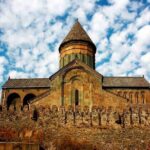
Then you’ll head to Mtskheta, Georgia’s ancient capital. The itinerary includes Svetitskhoveli Cathedral, noted as the second-largest church in the country, and the Jvari Monastery, which sits on a cliff’s edge and dates to the 6th century.
These two stops work well as a pair. Svetitskhoveli gives you the big, significant landmark energy. Jvari gives you the cliffside stillness and that “Georgia in layers” feeling, because it visually looks like it belongs to a much older world than the modern road network.
Once back in Tbilisi, the tour ends with a gala dinner and a national folk show. After a week of wineries and monasteries, this finale feels like a release. It’s a chance to connect what you’ve learned about Georgian hospitality to the performance side of culture.
Price and Logistics: What You’re Really Paying For
The price is $784.62 per person for about 7 days (6 nights), private group travel, and multiple guided tastings and food experiences. That sounds like a lot until you break down what’s being handled: round-trip private transfers, an air-conditioned minivan, multiple wineries/cellars, and several scheduled stops with meals and tastings.
Here’s how I think about value for this specific itinerary:
- You’re not paying only for sightseeing. You’re paying for wine access and guidance at multiple locations, including places like Khareba with an underground tasting setup.
- You’re not paying only for transport. You also get cooking instruction and a structured food plan across regions.
- The included breakfasts and dinners reduce day-to-day decision fatigue, and that matters when you’re moving every day.
If you were trying to DIY this route, you’d likely spend time coordinating driving, winery reservations, guide time, and meal pacing. This tour’s value is that it bundles all of that into one program with a single local team.
What’s Included (and What You Should Budget Separately)
Included items cover the basics you’ll care about most: 6 nights accommodation, hotel pickup and drop-off, round-trip private transfer, transport by air-conditioned minivan, bottled water, and breakfast plus dinner. Tastings are included too: food tasting and wine tasting, with both local and professional guiding.
What’s not included is where you’ll want to keep a buffer: food and drinks unless specified. Since winery days often involve extra snacks, lunches, or additional bottles, you should plan on spending a little on the side. Also remember that wine tasting can run into multiple servings across the week, so budgeting helps you stay in control.
A practical tip: carry a small day bag with water, a light layer, and any meds you need. You’ll be in a minivan and around caves and underground spaces, so comfort helps.
Who This Tour Fits Best
This tour fits you if:
- you like wine but also want food skills (the cooking class is the key reason)
- you want both the famous wine regions and the more local cellar feel
- you’re happy with a guided schedule that keeps you moving across Georgia
You might want to skip or choose a different format if you:
- hate tasting-heavy days
- want mostly free time and less structure
- prefer shorter drives between stops
Because it’s capped at 6 people, it also works well for small teams, couples, and parent-and-child trips—especially if you want the guides to explain context without turning the day into a loud group shuffle.
Should You Book This Georgian Wine and Culinary Private Tour?
If you want a week where wine, food, and cultural stops all connect, I think this is a strong choice. The private small-group format, the two masterclasses (including cooking instruction), and the mix of wine styles from Sarajishvili to underground Khareba make it feel like a real education, not just a tasting marathon.
That said, be honest about your energy level. This is a packed itinerary across regions, so it’s ideal for people who like getting a lot of Georgia in one go and who don’t mind spending time on the road.
If that sounds like your style, book it. If you’d rather take Georgia slower, you might prefer a shorter regional tour.
FAQ
What does the tour include besides wine tastings?
The tour includes 6 nights of accommodation, round-trip private transfers, transport by air-conditioned minivan, bottled water, breakfasts and dinners, and scheduled food tasting and wine tasting. It also includes a local guide and a professional guide, plus hotel pickup and drop-off.
How many people are in the group?
The tour is private, with a maximum of 6 people per booking.
Where does the tour start, and what time does it begin?
The tour starts in Tbilisi, Georgia. The start time listed is 9:00 pm.
What kinds of food and activities are planned?
You can expect traditional Georgian cuisine meal stops, tastings, and at least one master cooking class. The itinerary also includes major sightseeing stops such as monasteries and cave towns, along with winery visits across multiple regions.
Are lunches included?
The tour includes breakfast and dinner, and it includes food and wine tastings. The details provided do not state that every lunch is included, so you should plan for additional food and drink costs unless a meal is explicitly specified in the itinerary.
Can I cancel and get a full refund?
Yes. Free cancellation is available, and you can cancel up to 24 hours in advance for a full refund. If you cancel within 24 hours of the experience start time, the amount paid is not refunded.
More from Our Tbilisi Review Desk

More Khinkali and Khachapuri Cooking Classes

More Tbilisi Food and Khinkali Walks


Not quite your thing? More Tbilisi tours and day trips from our review desk





Tbilisi Food & Khinkali Walks, compared.
 ★ 5.0Private Tbilisi Food Tour: 9 Tastings Walk in Bohemian DistrictFrom $79227 reviews
 ★ 4.5Small-Group Khinkali and Khachapuri Cooking Class in TbilisiFrom $27224 reviews
 ★ 5.0Tbilisi Food Tour in a Local FamilyFrom $49113 reviews
 ★ 5.0Cook True Ajarian Khachapuri and Khinkali in Highlanders StyleFrom $3993 reviews
 ★ 5.0Old Town and Beyond: A Tbilisi Silk Road Feast with Culinary BackstreetsFrom $12562 reviews
 ★ 5.0Tbilisi City Pub CrawlFrom $3157 reviews
 ★ 4.5Taste of Kakheti: Wine Tour Bread Baking & Churchkhela WorkshopFrom $1946 reviews
 ★ 5.0Private 4 days Food & Wine and Sightseeing tour to Kakheti, Kazbegi, Mtskheta.From $1025 reviews
Browse the lists this tour appears in