
Reviewed · GORI, UPLISTSIKHE & STALIN'S CAVE TOWNS
Soviet tour of Georgia – Gori, Tskaltubo, Chiatura, Enguri Dam.
This tour is for people who like their history in concrete. You’ll move through Soviet-era Georgia with stops that feel hauntingly real, from Tbilisi’s blocky skyline to Gori’s Stalin Museum and on to abandoned places in Tskaltubo. I love how the route mixes big-name Soviet landmarks with the quieter, more surprising leftovers like former sanatoriums and mining-town scenery. I also like that the hiking parts are practical: the trails are marked and the driver stays with your group while you hike. One possible drawback is that this style of trip is more about architecture and atmosphere than polished, guided storytelling, since an English-speaking guide isn’t automatically included.
If you like a day that starts early and ends with stories, you’re in the right place. The tour runs from 8:00 am at Rose Revolution Square in Tbilisi and returns to the same meeting point. It’s private, so it’s just your group, and you’ll also get pickup options, a mobile ticket, and group discounts.
In This Review
- Key Highlights I Think You’ll Care About
- Soviet Georgia Starts in Tbilisi: Big Buildings, Clear Directions
- Gori’s Stalin Museum: When a Museum Feels Like a Map
- Chiatura and Tskaltubo: The Soviet Afterlife in Architecture
- Enguri Hydropower Station: The Soviet Engineering Moment
- Your Driver Plan: Hike Time Without Stress
- Mestia at Hotel Old House: A Scenic Base That Feels Built for Views
- Becho Gorge to Ushba Waterfalls: Marked Trails and Big Mountain Feel
- Chalaadi Glacier Hike: The One for People Who Want a Real Trek
- Ushguli and Shkhara Views: Village Life With a Mountain Backdrop
- Qoruldi Lakes: Horse Riding Optional by Request
- Price and Value: Is $850 a Good Deal?
- Who Should Book This Soviet Georgia Tour
- Should You Book This Soviet Georgia Tour?
- FAQ
- Does the tour include pickup?
- Is an English-speaking guide included?
- What meals are included?
- How does the hiking work?
- Where does the tour go on the Soviet architecture portion?
- What should I know about weather?
Key Highlights I Think You’ll Care About
- Soviet architecture across multiple cities: Tbilisi, Gori, Chiatura, and Tskaltubo in one focused route
- Tskaltubo’s abandoned sanatorium spaces, where nature and buildings share the same frame
- Enguri Hydropower Station, including the dramatic Soviet-era dome-shaped dam
- Marked hiking trails with a wait-and-go plan while the driver holds position
- A Svaneti base in Mestia at Hotel Old House, in a very scenic historic setting
- Ushguli and the Shkhara mountain views, plus Qoruldi lakes with horse riding optional by request
Soviet Georgia Starts in Tbilisi: Big Buildings, Clear Directions
Tbilisi is a good first move because the Soviet imprint isn’t buried. You get Soviet buildings and districts right away, and the day’s pacing stays friendly: about 6 hours on the first day with an admission ticket listed as free. You’ll also pass the wider Soviet mood of Rustavi, which makes the beginning feel like more than just one city stop.
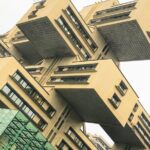
What I like here for your planning: you’re not immediately thrown into long hikes or remote driving. You get your bearings first. Think of it as setting your eyes to the right scale—how Soviet architecture works at street level, on apartment-block corners, and along the edges where old planning meets newer life.
Practical note: if you’re hoping for nonstop commentary all day, keep expectations realistic. The tour includes a driver throughout, but English guidance is something you arrange if you want it.
More Gori and Uplistsikhe cave-town days we have traced from Tbilisi
Gori’s Stalin Museum: When a Museum Feels Like a Map
Gori is the kind of place that makes you slow down. The second day starts with the Stalin Museum, and then you keep moving toward the former Soviet mining town of Chiatura and overnight in Tskaltubo.
The value of the Stalin Museum stop is simple: it frames what you’re seeing next. When you move from a museum setting into abandoned industrial and health-system spaces, the architecture suddenly reads like a purpose. The day runs about 12 hours, and admission is marked as included.
One thing to know: there’s no guarantee you’ll only see the museum and then leave. Soviet-era sites often work like layered rooms. Expect some time to take it in, then transition into the harder-to-erase atmosphere of Chiatura and Tskaltubo. If you’re the type who likes connecting dots across locations, this structure works.
A detail I appreciated from feedback: one group specifically mentioned a host named Zviad during their Tbilisi and Gori Soviet stops. That hints at a tour style where you might get more context through the people you’re with, even if an English-speaking guide isn’t standard.
Chiatura and Tskaltubo: The Soviet Afterlife in Architecture
This is where the trip earns its theme. Chiatura and Tskaltubo are both tied to the Soviet system of labor, extraction, and public institutions—but they look different when you’re standing in front of them.
Chiatura is described as a former mining town, and that matters. Mining towns have their own rhythm. Even without detailed explanations, the buildings and planning tend to feel functional in a way that apartment-city architecture doesn’t. You’re seeing Soviet thinking about how people were housed, moved, and kept working.
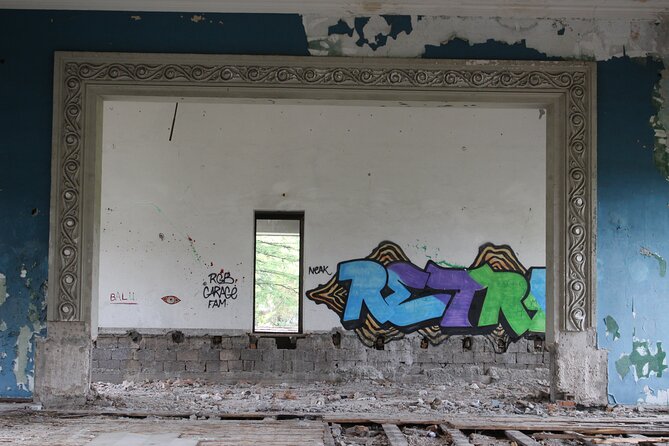
Then you sleep in Tskaltubo, a former spa town with a former Soviet sanatorium for the navy. The next day is built around exploring Tskaltubo’s abandoned buildings and sanatoriums. You get about 4 hours, and admission is free.
This is one of the most praised parts of the trip for a reason: Tskaltubo is where time and nature start rewriting the Soviet story. That mix is visually strong. You’ll see decaying hotels and institutional buildings where windows and corridors feel like they’ve been paused rather than erased.
A consideration: abandoned places can feel intense. If you don’t like creepy-cool ruins, you might still enjoy the architecture, but your comfort level matters. Wear shoes you trust on uneven ground, and stay aware of your surroundings—especially if you’re walking around interior spaces.
Enguri Hydropower Station: The Soviet Engineering Moment
After Tskaltubo, the tour heads toward Zugdidi and visits the Enguri hydropower station. This stop takes about 6 hours, and admission is included.
The headline detail is the dome-shaped dam, described as one of the highest of its kind. That’s the kind of feature you can see from afar and still feel up close. Even if you’re not an engineering fan, this is one of those Soviet achievements that reads as ambition, not just industry.
Why this stop fits the overall theme: Soviet architecture isn’t only about buildings you live in. It’s also about infrastructure—how the state reshaped geography into outputs. Enguri is a perfect punctuation mark between the abandoned institutional mood of Tskaltubo and the natural, mountainous scenery you’ll likely see later in the Svaneti portion of the plan.
Your Driver Plan: Hike Time Without Stress
Here’s a practical thing that makes the experience easier to enjoy: the hiking trails are very well marked, and the driver will be waiting for you while you hike.
That structure matters because it reduces the two common tour frustrations:
1) You don’t spend energy worrying about timing and logistics mid-hike.
2) You can focus on the trail itself—views, pacing, photos—without turning the hike into a scavenger hunt.
It also hints at how the tour handles pacing. In a multi-stop architecture itinerary, hikes can become the chaos part. In this case, the tour seems designed to keep that chaos under control.
If you want extra help understanding what you’re seeing, an English-speaking guide can be arranged on request. The standard plan doesn’t include one, so if interpretation is a must for you, ask early.
More Soviet and brutalist Tbilisi walks we have wandered off the tourist trail
Mestia at Hotel Old House: A Scenic Base That Feels Built for Views
The tour information also includes a Svaneti segment, with a stay in Mestia at Hotel Old House (or an equivalent). I like this part because it’s not just a place to sleep—it sounds like a viewpoint.
Hotel Old House is described as being located between historical 12th-century defensive towers with very good views, and close to the ethnographic museum. That means even if the weather is moody, you’re still in an area with visual payoffs.
And it ties into why Svaneti works after Soviet stops. The contrast is clean: from Soviet-era institutional spaces to mountain villages where geography and culture shape how people build and live.
Becho Gorge to Ushba Waterfalls: Marked Trails and Big Mountain Feel
One of the hikes listed is in Becho gorge to see Ushba waterfalls. You’ll be on a trail that’s described as very well marked, which is a major plus if you don’t travel with local navigation skills.
This kind of hike is valuable because it gives you a break from architecture-heavy days. You get fresh air, moving water, and a more natural sense of the region’s scale. Even if the waterfalls are partially obscured by weather, the gorge setting tends to deliver atmosphere.
A note for your expectations: hiking days can vary by conditions, even when trails are marked. The tour information says it requires good weather. So if you’re traveling in shoulder season or you’re unlucky with clouds and rain, the hike may shift to protect the experience.
Chalaadi Glacier Hike: The One for People Who Want a Real Trek
Another hike is to Chalaadi glacier. Like the Becho gorge hike, the plan emphasizes marked trails and driver support while you hike.
This is the more serious-feeling option on paper. A glacier hike usually means longer effort and colder conditions, even when the route is straightforward. If you’re planning your packing, think layers and good grip shoes.
Why it’s worth it for your overall trip: after city and ruin stops, a glacier hike gives you something bigger than stories about the past. It makes the present feel rugged and physical, which makes the earlier Soviet themes hit differently.
Ushguli and Shkhara Views: Village Life With a Mountain Backdrop
The Svaneti plan includes a trip to the village of Ushguli, with views across the Shkhara mountain range.
Ushguli is a name you’ll remember once you see it on the ground. You’re dealing with scale. The mountains do most of the talking. For this tour style, that’s important because it breaks the trip into chapters: Soviet human systems, then mountain systems.
Also, the tour includes time here as part of a larger schedule, so you’re not spending an entire week just on one village. You’ll get context and contrast, which is often what makes multi-day tours feel worth it.
Qoruldi Lakes: Horse Riding Optional by Request
There’s also a horse riding trip to Qoruldi lakes. And here’s a smart flexibility point: if you’re not keen to ride horses, the means of transportation can be changed to a car upon request.
That matters because it keeps the tour from being all-or-nothing. You can still experience the route and destination without forcing your body or comfort level into a situation you’d rather skip.
If you are open to horse riding, it can add that classic regional texture—moving through landscapes in a way you don’t get on standard road transport. If you aren’t, the car option keeps the day functional, not disappointing.
Price and Value: Is $850 a Good Deal?
At $850 per person, this isn’t a cheap trip. But it also isn’t just a couple of sightseeing stops. You’re paying for multiple components that usually cost extra when booked separately:
- Transport across several major and remote areas
- A driver included throughout the day-to-day movement
- Several admission fees marked as included
- A real overnight base in Mestia at Hotel Old House (or similar), with dinner and breakfast included
- Airport transfers are included, and flights from and back to Tbilisi are part of the package plan
- Meals are listed as included (dinner, plus breakfast and lunch counts)
So where the value lands is logistics and time. If you try to DIY this loop, you’d spend a lot of effort coordinating travel between Soviet architecture stops and mountain hikes, then still need a place to stay in the right region.
One more reality check: the tour does not include an English-speaking guide by default. That can reduce the value for people who want heavy interpretation all the way through. If you care about that, plan to request guidance.
Who Should Book This Soviet Georgia Tour
This is a strong fit if you:
- Like Soviet architecture and the human story behind it—monuments, apartment blocks, and institutional buildings
- Enjoy atmosphere as much as facts, meaning the visuals carry a big part of the experience
- Want a day that mixes city planning and “ruins with meaning,” not only museum interiors
- Are willing to hike on marked trails and handle weather variability
It may feel less ideal if you:
- Want a full English guide for every segment without arranging it
- Don’t like abandoned buildings or “time damage” scenes
- Prefer fully scheduled, predictable pacing with minimal walking
Should You Book This Soviet Georgia Tour?
I’d book it if Soviet-era architecture is your thing, and you also want at least a taste of Svaneti’s hiking and mountain views. The standout strength is the way the route moves from Soviet identity in cities (Tbilisi and Gori) into Soviet institutions left behind (Chiatura and Tskaltubo), then into a major Soviet engineering landmark (Enguri). Add the marked hikes and a scenic Mestia base, and you get a trip that feels cohesive rather than random.
If you’re unsure, look at your priorities. If you want more explanation than architecture and atmosphere, request an English-speaking guide early. If you’re good with a driver-led plan and you like being out in the places themselves, this tour fits well.
FAQ
Does the tour include pickup?
Yes. Pickup is offered, and the tour starts at Rose Revolution Square in Tbilisi at 8:00 am and ends back at the meeting point.
Is an English-speaking guide included?
No. An English-speaking guide is not included, but it can be organized on request.
What meals are included?
The package lists dinner, breakfast (2), and lunch (2) as included. The Mestia stay at Hotel Old House also includes dinner and breakfast.
How does the hiking work?
The trails are described as very well marked, and the driver will be waiting for you while you’re hiking.
Where does the tour go on the Soviet architecture portion?
The listed stops include Tbilisi, the Stalin Museum in Gori, Chiatura, and Tskaltubo, plus a visit to the Enguri hydropower station.
What should I know about weather?
The experience requires good weather, and if it’s canceled due to poor weather, you’ll be offered a different date or a full refund.
More Martvili and Prometheus Canyon Trips



More Soviet and Brutalist Tbilisi Walks
More Gori and Uplistsikhe Cave-Town Days

Not quite your thing? More Tbilisi tours and day trips from our review desk




Gori, Uplistsikhe & Stalin's Cave Towns, compared.
 ★ 5.0Day Trip to Mtskheta Gori and UplistsikheFrom $291,801 reviews
 ★ 5.0Mtskheta-Gori-UplistsikheFrom $90112 reviews
 ★ 4.5Mtskheta, Jvari, gori, uflistsikhe, history and panorama (group tours)From $19107 reviews
 ★ 5.0Mtskheta-Jvari-Uplistsike-Chronicle of Georgia, PRIVATE TripFrom $68105 reviews
 ★ 5.0Day tour to Chronicles of Georgia, Gori city, Uplistsikhe caveFrom $3486 reviews
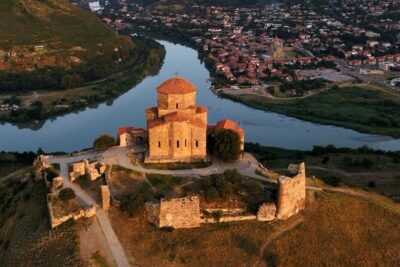 ★ 4.5Ancient Georgia Group Tour: Mtskheta,Jvari, Gori, UplistsikheFrom $2473 reviews
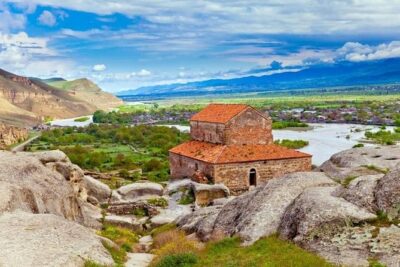 ★ 5.0Mtskheta – Jvari + Gori – Uplistsikhe TourFrom $5449 reviews
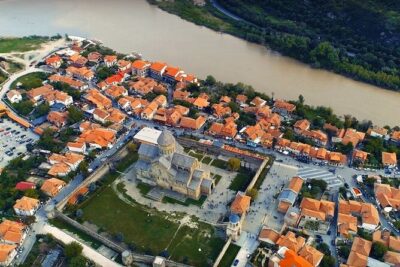 ★ 5.0Mtskheta – Gori – Uplistsikhe caves • Private tourFrom $9024 reviews
Browse the lists this tour appears in