
Reviewed · MTSKHETA & JVARI UNESCO TRIPS
Mtskheta – Jvari + Gori – Uplistsikhe Tour
Four stops, one day, big Georgia stories. This Mtskheta–Jvari–Gori–Uplistsikhe trip strings together UNESCO sites, Soviet-era history, and a 3,000-year-old rock-cut cave town, with hotel pickup and in-car Wi‑Fi keeping the day smooth. I also like that the timing is tight but not rushed, with enough time at each main site; the main drawback is weather, since windy or rainy conditions can make the hilltop and cave-city walkways feel cold.
You’re traveling with a driver-guide in an air-conditioned vehicle, and the tour is private—so you’re not stuck in a moving herd. At about $54.07 per person for roughly 8 hours, it’s strong value if you want a real “outside Tbilisi” day without the hassle of arranging transport yourself.
And yes, plan for small extra entry fees that aren’t included—specifically Stalin House-Museum and Uplistsikhe Cave Town list $5 per person on the tour details.
In This Review
- Key Things I’d Watch For Before You Go
- Why This Day Trip Works From Tbilisi
- Price and Logistics: What $54.07 Really Buys You
- Jvari Church: The Cross Above Aragvi and Kura
- Mtskheta’s Walk to Svetitskhoveli Cathedral
- Gori and the Stalin House-Museum Contrast
- Uplistsikhe Cave Town: Fortress of God in Rock
- The Driver-Guide Advantage (George, Gogi, Giorgi, Gogita)
- What to Pack for Churches and Cave City Climbing
- Best Weather and When to Fit This Into Your Georgia Trip
- Should You Book the Mtskheta–Gori–Uplistsikhe Tour?
- FAQ
- Is pickup included for this tour from Tbilisi?
- Is the tour private?
- How long is the tour?
- Are entrance fees included?
- What does the tour include for comfort during the day?
- What’s the language of the guide?
- Can I get a refund if plans change?
Key Things I’d Watch For Before You Go
- Hotel pickup and drop-off: saves real time and stress in Tbilisi.
- Driver-guide on a private schedule: you can get clearer explanations (and quicker course-corrections) than with a group bus.
- Jvari’s hilltop views: the church sits above the meeting of the Aragvi and Kura rivers.
- Svetitskhoveli in Mtskheta: a top Georgian religious site tied to the burial story of Christ’s Robe.
- Uplistsikhe cave town walking: expect uphill, uneven surfaces, and some serious stairs.
- Weather matters: cold wind/rain can turn a good day into a shivery one.
Why This Day Trip Works From Tbilisi
This is a “great hits” route that actually makes sense geographically. You start at Jvari, high above the rivers, then move to Mtskheta (near the ancient capital area), and continue east to Gori. Finally you end with Uplistsikhe, the rock-carved cave town.
What makes it feel worth your time is the range of what you see: early Georgian Christian roots (Jvari and Mtskheta), the Georgian capital’s long timeline (Mtskheta has been inhabited for more than 2,600 years), and then a sharp pivot into Soviet history (Stalin’s birthplace and museum). Uplistsikhe brings it back to ancient Georgia with that long-used-in-rock “Fortress of God” vibe.
Two practical wins matter too:
- You’re picked up and dropped off right at your hotel or address in Tbilisi.
- You travel in a car with in-car Wi‑Fi plus air-conditioning, which helps a lot on an 8-hour day.
More Mtskheta and Jvari UNESCO runs we have made from Tbilisi
Price and Logistics: What $54.07 Really Buys You
At $54.07 per person, the big value is not just the sites—it’s the “day management.” A private day with hotel pickup, a driver-guide, and transportation usually costs more than a DIY plan once you add taxis, timing, and the headache of coordinating multiple stops.
Here’s the cost reality to plan for:
- The tour includes hotel pickup & drop-off, private transportation, and an air-conditioned vehicle.
- Not included: Stalin House-Museum ($5 per person) and Uplistsikhe Cave Town ($5 per person).
Then there’s the day structure. The core stop timing you’ll experience is roughly:
- Jvari Church: about 20 minutes
- Mtskheta historical center: about 45 minutes
- Gori (Stalin House-Museum visit): about 1 hour
- Uplistsikhe Cave Town: about 1 hour
That pacing is ideal if you like clarity. The stops are short enough to keep the day moving, but long enough to walk around and actually take photos (and not just speed past the highlights).
One more thing: it’s listed in English, and it’s scheduled as a private activity (only your group). That’s a big deal if you want better explanations instead of group-typical “watch your step, next!”
Jvari Church: The Cross Above Aragvi and Kura
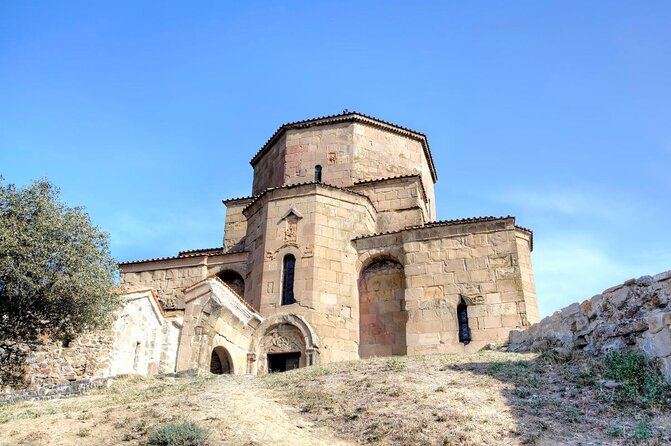
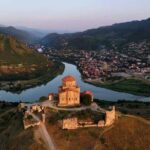
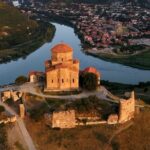
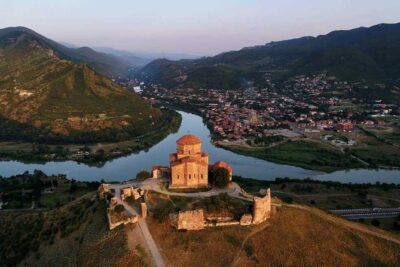
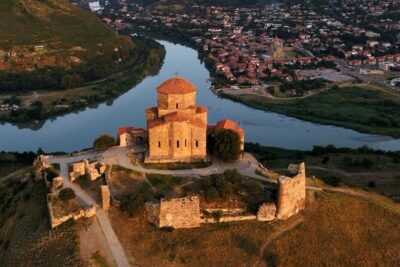
Jvari Monastery sits on a high mountain above the ancient capital region. You get the photo moment right away because the church is known for its architecture, historical value, and location—especially the views where the Aragvi and Kura rivers meet.
You’ll spend about 20 minutes here. That’s short, but it’s enough to:
- Take in the hilltop setting
- Look closely at the church form and stonework
- Listen to the story your driver-guide tells you about the site’s meaning
A detail I’d file away before you arrive: the name translates from Georgian as the cross. That’s useful context for understanding why the site carries weight beyond the scenery.
Possible drawback: if it’s windy or rainy, the hilltop can feel colder than you expect. One common theme in real-world conditions is standing outside for explanations—so bring a layer and don’t assume you’ll only need a T-shirt.
Mtskheta’s Walk to Svetitskhoveli Cathedral
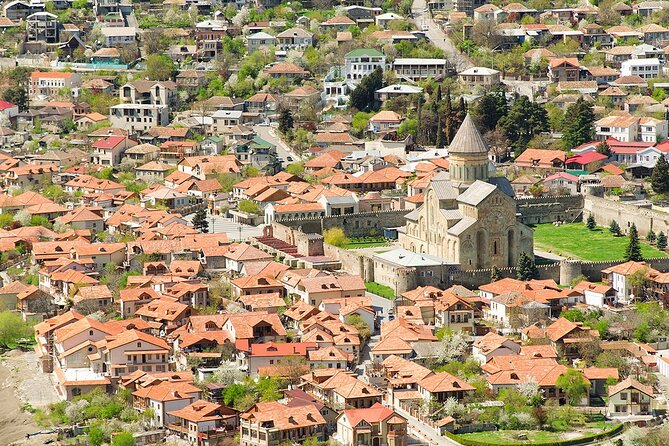
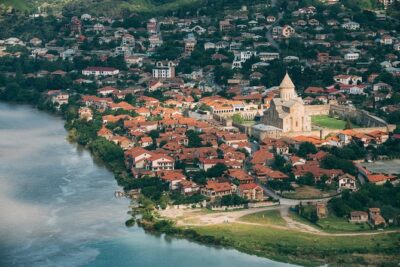
Next comes Mtskheta, Georgia’s ancient capital and a UNESCO World Heritage Site. The tour frames Mtskheta as a place with over 2,600 years of habitation and tied to the early Georgian Kingdom of Iberia.
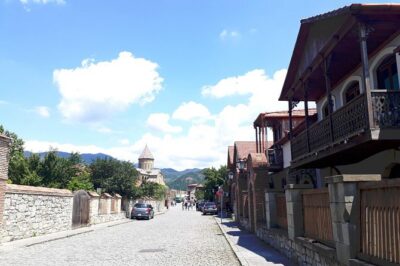
From the parking area, you walk into the historical center through narrow lanes lined with small shops, wine tastings, and traditional Georgian sweets. Even if you don’t buy anything, this walk helps you get the “this place has a long rhythm” feeling fast.
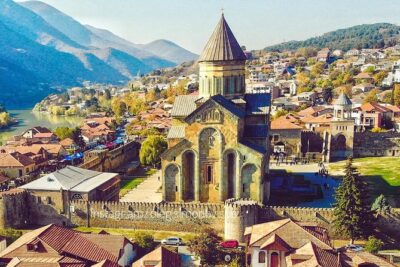
The main event is Svetitskhoveli Cathedral. It’s described as one of Georgia’s most sacred and revered sites, connected to the burial site of Christ’s Robe. That kind of religious story matters here because it explains why people treat this cathedral like more than a monument.
You’ll have about 45 minutes at this stop. That generally works well because you can:
- See the cathedral area properly
- Pause for photos without needing to sprint to the next pickup point
- Let the driver-guide’s context make the symbolism click
My practical tip: wear shoes you trust on uneven pavement. The streets are described as narrow and walk-heavy, so you’ll enjoy the time more if your footing feels solid.
Gori and the Stalin House-Museum Contrast
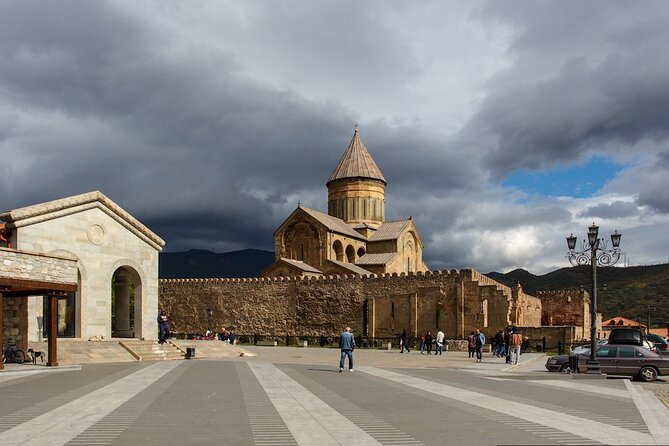
Gori is a fast shift in tone from monasteries to 20th-century politics. It’s best known as the hometown of Joseph Stalin, and the stop here centers on the Stalin House-Museum.
Your visit runs about 1 hour, and the museum includes the original birthplace house and items that shaped his public and private image. Based on the details shared in the tour experience, you’ll see things like:
- His office
- Personal belongings such as his pipe, cigars, and telephone
- Also referenced: his railway carriage and more museum displays
That’s the kind of stop where having a guide really helps. Otherwise, it can turn into a list of objects without the bigger story. With the right explanations, it becomes clear how propaganda culture, power, and everyday details connect in one timeline.
Cost note: Stalin House-Museum is listed as not included with an additional $5 per person.
Possible consideration: this part is historically heavy. It’s not “fun” in the theme-park sense. But if you’re curious about how Georgia sat inside Soviet history, it’s a memorable, eye-opening contrast.
More Gori and Uplistsikhe cave-town days we have traced from Tbilisi


Uplistsikhe Cave Town: Fortress of God in Rock
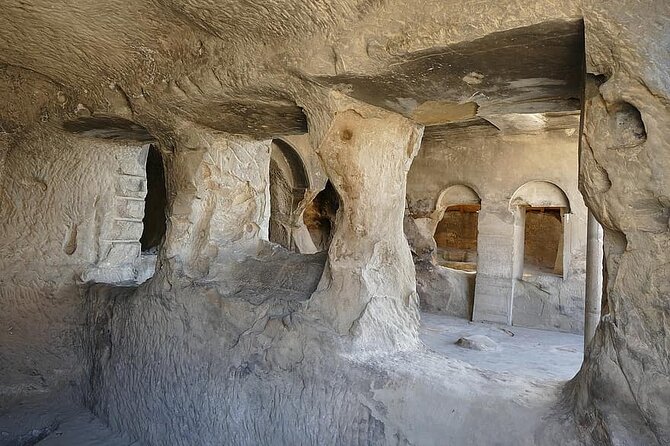
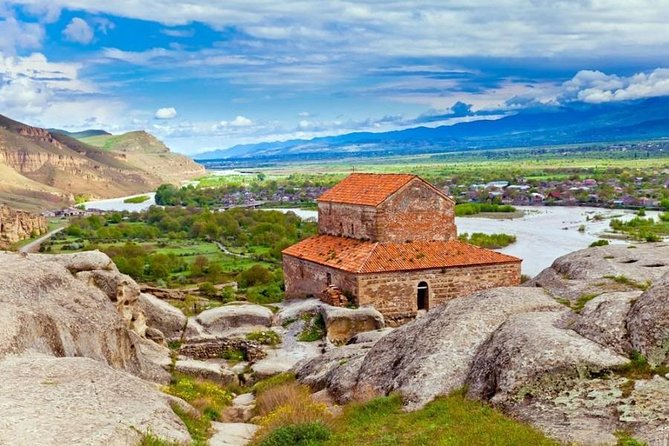
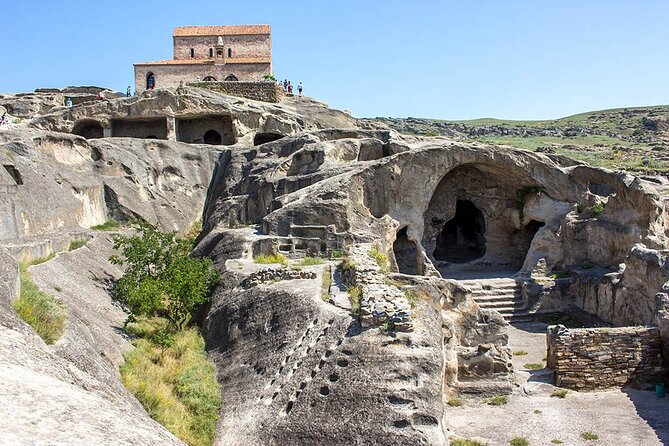
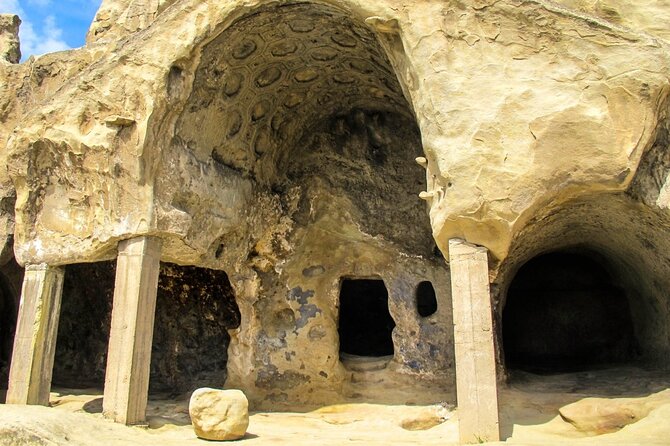
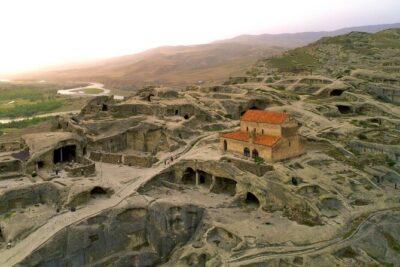
Uplistsikhe is the stop you’ll remember most if you enjoy unusual spaces. The name is described as Fortress of God, and the site is an ancient cave city carved into rock, said to be about 3,000 years old.
It’s also important in Georgia’s cultural, religious, and political story. One reason people love it is that it still preserves spaces from different periods—about 150 caves remain today.
Your tour time here is about 1 hour, and you’ll likely see standout carved areas such as:
- The tunnel
- The Sun Temple
- The Royal Hall of Queen Tamar
- A winery
- A 6th-century church
- An old library
- Even an ancient pharmacy carved in stone
That last set of details is what makes Uplistsikhe feel lived-in by time. You’re not just looking at one era; you’re walking through layers.
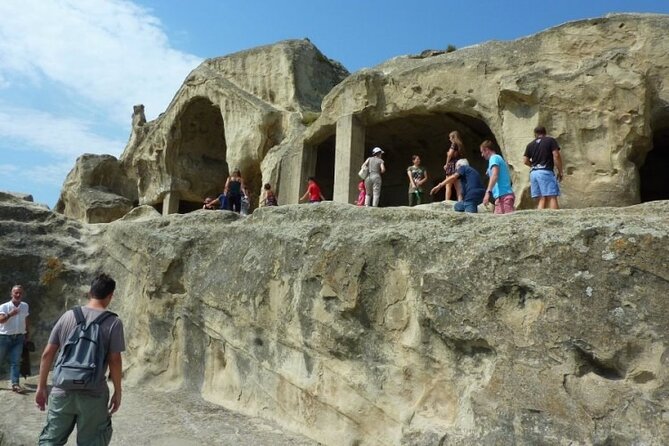
Practical reality check: Uplistsikhe involves climbing and uneven steps. Multiple experiences emphasize using very good shoes and being ready for uphill walking. Also, signage can be unclear, and you can miss the easiest route without someone helping you choose paths.
Water matters here. One experience specifically warned that there was no water available anywhere on the site, even at a wine cellar stop. On hot days, that’s a safety issue. If you’re going in summer or during heat waves, I’d treat this as mandatory: carry enough water for the full walk, not just a sip.
Cost note: Uplistsikhe Cave Town is listed as not included, with an additional $5 per person.
The Driver-Guide Advantage (George, Gogi, Giorgi, Gogita)
This tour is guided by a driver-guide, and the experiences shared here strongly point to one thing: the guide makes the day feel understandable.
Names showing up in the experience feedback include George, Gogi, Giorgi, and Gogita. Even if the names differ by spelling, the consistent praise is about clear English, good pacing, and stories that connect what you see to what came before.
What you’re looking for in a day like this is simple:
- Enough background to make the churches and cave town feel meaningful
- Explanations short enough to fit into your walking time
- A guide who can answer questions without turning every stop into a lecture
From the way people describe the day, that’s what you get. It’s also private, so your guide can help your group move at a comfortable pace, including if you have a child who wants extra time exploring the caves.
One more small win: people noted the guides also knew where to find good bakery stops. That matters because Mtskheta’s streets are the kind of place where snacks are part of the memory.
What to Pack for Churches and Cave City Climbing
Even when a tour is only 8 hours, Georgia hills and stone sites can be tiring. Pack for comfort more than fashion.
I’d bring:
- Good walking shoes with grip (Uplistsikhe is the main reason)
- A warm layer even in mild weather, because hilltop wind is real
- Water you can carry yourself (especially for Uplistsikhe)
- A small umbrella or rain shell if weather looks unstable
If you’re visiting in shoulder season, one experience noted that September/October can be a better window, especially when conditions are less harsh than peak summer heat or stormy winter days.
Best Weather and When to Fit This Into Your Georgia Trip
This tour is explicitly marked as requiring good weather. That matches what you’ll feel on the ground: Jvari is on a mountain, and Uplistsikhe requires movement on carved surfaces.
So if your travel dates include strong rain or high wind, consider flexibility. The tour experience data also notes that if it’s canceled due to poor weather, you’ll be offered a different date or a full refund.
For planning your overall trip, I like this day trip when:
- You already explored central Tbilisi and want context outside the city
- You like mixing religious monuments with a real-world political history stop
- You want a structured route with less decision-making time
It’s less ideal if you hate uneven terrain or you don’t want to do uphill walking, because Uplistsikhe will ask for your legs.
Should You Book the Mtskheta–Gori–Uplistsikhe Tour?
I’d book this tour if you want a high-value day that covers major Georgia themes without complicated logistics. The private pickup, English driver-guide, and in-car Wi‑Fi reduce the usual “how do we get there?” friction.
Book it especially if you care about:
- Hilltop church views at Jvari
- The deep religious meaning tied to Svetitskhoveli Cathedral
- A historically grounded stop in Gori at the Stalin House-Museum
- Walking through an ancient rock-cut world at Uplistsikhe
Skip or reconsider if:
- Weather is likely to be cold, rainy, or relentlessly windy during your dates
- You don’t feel comfortable with stairs and uneven cave-city paths
- You don’t want to handle the extra entry fees for the museum and cave town
If you do decide to go, go prepared—warm layers for the wind, water for Uplistsikhe, and shoes with grip—and you’ll get a day that feels like more than checkboxes.
FAQ
Is pickup included for this tour from Tbilisi?
Yes. Your guide picks you up directly from your hotel or any address in Tbilisi, and you’re also dropped off back at the end.
Is the tour private?
Yes. It’s listed as a private tour/activity, so only your group participates.
How long is the tour?
The duration is listed as about 8 hours.
Are entrance fees included?
Not all of them. The tour details list the Stalin House-Museum and Uplistsikhe Cave Town as having $5 per person entrance fees that are not included. Other stop notes show admission as free.
What does the tour include for comfort during the day?
It includes private transportation in an air-conditioned vehicle and in-car Wi‑Fi, plus your hotel pickup and drop-off.
What’s the language of the guide?
The tour is offered in English.
Can I get a refund if plans change?
You can cancel for a full refund up to 24 hours in advance of the experience start time. If you cancel less than 24 hours before, the amount paid is not refunded.
More from Our Tbilisi Review Desk


More Gori and Uplistsikhe Cave-Town Days
More Mtskheta and Jvari UNESCO Runs

Not quite your thing? More Tbilisi tours and day trips from our review desk






Mtskheta & Jvari UNESCO Trips, compared.
 ★ 5.0Day Trip to Mtskheta Gori and UplistsikheFrom $291,801 reviews
 ★ 5.0Mtskheta,Jvari,Bazaar,wine tasting,Chronicles of GeorgiaFrom $20730 reviews
 ★ 5.0Mtskheta-Gori-UplistsikheFrom $90112 reviews
 ★ 4.5Mtskheta, Jvari, gori, uflistsikhe, history and panorama (group tours)From $19107 reviews
 ★ 5.0Mtskheta-Jvari-Uplistsike-Chronicle of Georgia, PRIVATE TripFrom $68105 reviews
 ★ 4.5Tbilisi – Mtskheta – Jvari. Full City Tour on Hop On Hop Off BusFrom $4091 reviews
 ★ 4.5Ancient Georgia Group Tour: Mtskheta,Jvari, Gori, UplistsikheFrom $2473 reviews
 ★ 5.0Ancient Mtskheta and Chronicle of Georgia half day tourFrom $6566 reviews
Browse the lists this tour appears in