
Reviewed · MTSKHETA & JVARI UNESCO TRIPS
Mtskheta, Jvari, gori, uflistsikhe, history and panorama (group tours)
Jvari and Uplistsikhe are the kind of stops you remember. This group tour links Georgian Orthodox Christianity with an older pagan past, then tops it off with a sweeping panorama day outside the capital. You’ll travel with a driver-guide and hit classic sites in a sensible circuit, not a stressful DIY scramble.
What I like most is how the day explains the places, not just points at them. Two wins for me are the stunning viewpoint from Jvari Monastery and the chance to visit Svetitskhoveli Cathedral, where major Christian relic traditions are tied to Georgian Orthodoxy.
One consideration: the day runs on a group pace, and English commentary can vary by guide, so if you’re very strict about in-depth English the whole time, plan to be a little flexible.
In This Review
- Key highlights (what makes this itinerary work)
- Jvari Monastery: the hilltop start with poetry in the air
- Svetitskhoveli Cathedral: where Georgian Orthodox tradition feels personal
- Uplistsikhe cave city: pagan life, stone routes, and wide Kura Valley views
- Gori and the Stalin Museum add-on: optional, political, and guided by the group
- Lunch stop: local products, paid restaurant time, and what to expect
- Price and value for $19: what’s covered, what costs extra
- Timing, group pace, and language: where the tour can feel great or rushed
- Who this tour suits best (and who should rethink it)
- Tips to make the day smoother (bring these, skip the headaches)
- Should you book this Mtskheta, Jvari, Gori, Uplistsikhe tour?
- FAQ
- What time does the tour start?
- How long is the tour?
- How many people are in a group?
- Is the tour available in English?
- Are tickets for Jvari and Svetitskhoveli included?
- Do I need to pay extra for Uplistsikhe?
- Is the Stalin Museum included?
- Is lunch included?
- What if the weather is bad?
Key highlights (what makes this itinerary work)
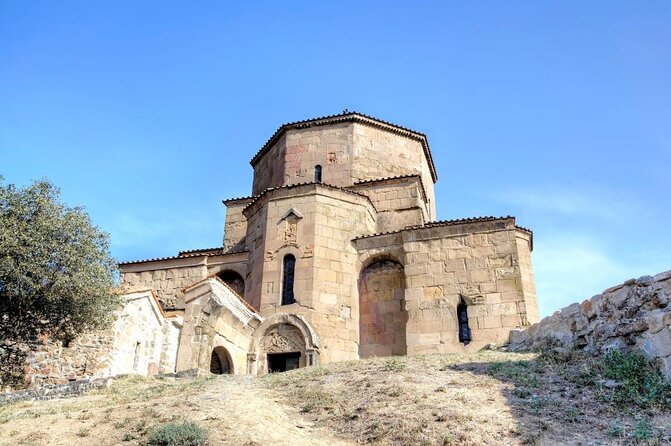
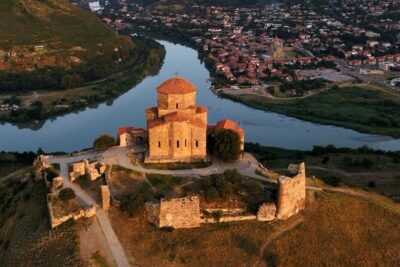
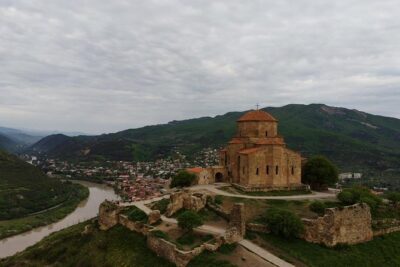
- Jvari Monastery’s VI-century hilltop views over Mtskheta and the river confluence
- Svetitskhoveli Cathedral and its role in Georgian Orthodox tradition, including famous relic associations
- Uplistsikhe cave city: stone labyrinths, pagan cult-life ideas, and Kura Valley panoramas
- A full outside-the-capital day with a driver-guide handling timing and transport
- Optional Gori stop for those who want the Stalin Museum add-on
- Group size stays small (max 15), which helps with logistics
Jvari Monastery: the hilltop start with poetry in the air
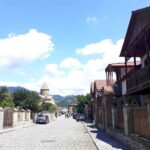
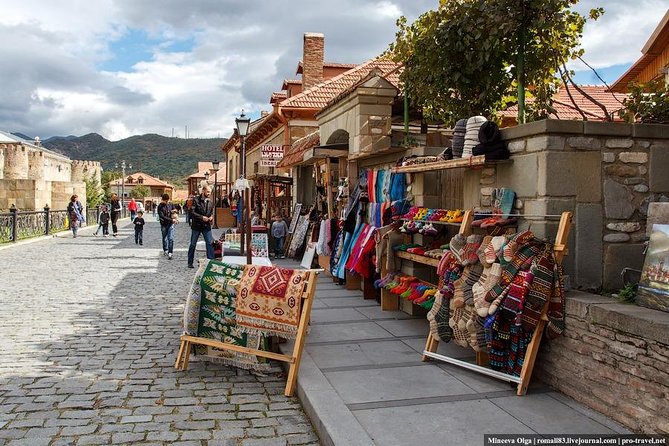
Your day begins with a short walking segment named after big-name figures in literature and arts: areas around streets for Pushkin, Lermontov, Tchaikovsky, Dumas (father), Tolstoy, and others. It sets the tone: this isn’t only about buildings, it’s about how Georgian culture and storytelling have shaped how people look at the landscape.
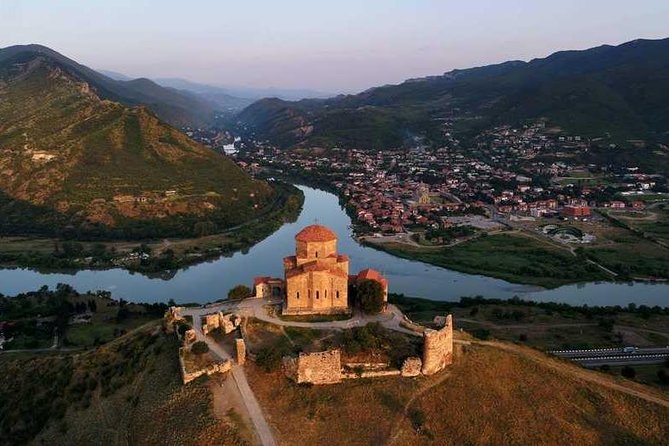
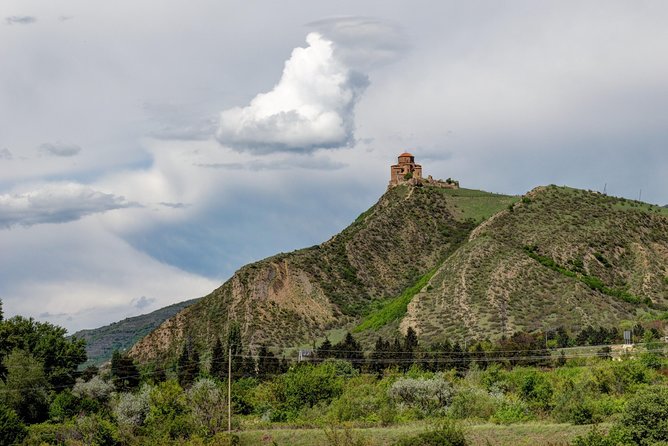
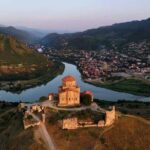
Then you climb up to Jvari Monastery, a VI-century site. The payoff is the view over Mtskheta, with the idea of the merging Aragva and Kura rivers in the backdrop. One of the coolest details is the connection to Lermontov’s famous poem Mtsyri—your walk and the story framing tie the scene to events associated with that literary world. You’re not just looking; you’re learning how the place got myth and meaning attached to it.
Practical tip: wear shoes you trust on uneven paths. Even when the weather is good, this is a walking-and-stairs type of viewpoint stop, not a quick photo and go moment.
More Mtskheta and Jvari UNESCO runs we have made from Tbilisi
Svetitskhoveli Cathedral: where Georgian Orthodox tradition feels personal
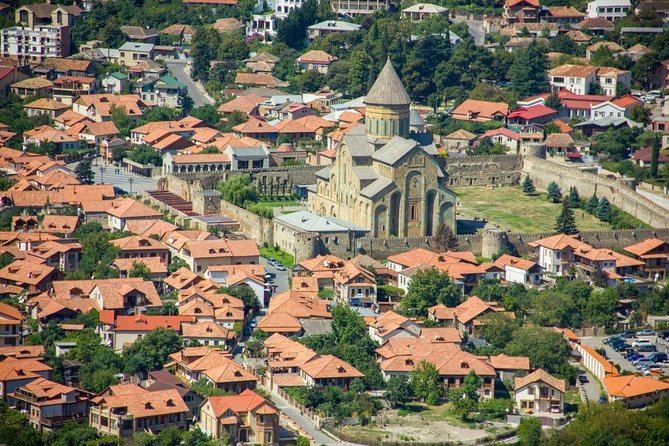
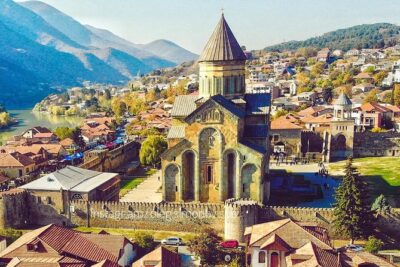
After the panoramic start, you shift from viewpoint to spiritual centerpiece with Mtskheta Church of the Holy Cross, centered on Svetitskhoveli Cathedral (also described as the Pillar of Life-Giving). This is presented as the patriarchal cathedral of the Georgian Orthodox Church, so you’re not visiting a random church—you’re stepping into one of the most important narratives of Georgian Christianity.
The tour guide portion here matters because the cathedral visit is about what happened here and why it matters. You’ll hear about major events from the past tied to the cathedral and, specifically, the tradition of sacred Christian shrines associated with it: the tunic of Jesus Christ and the mantle of Elijah the Prophet, plus relics of St. Andrew the First-Called. That list turns the visit from pretty architecture into a history-and-faith story you can actually follow.
What I love about this stop is that the cathedral visit naturally anchors the rest of the day. Later you’ll go to pagan sites in Uplistsikhe, but Svetitskhoveli gives you the Georgian Christianity lens, so the timeline contrast feels real instead of academic.
If you’re not religious, it can still be a moving stop because it’s about how a country remembers its major spiritual chapter in stone.
Uplistsikhe cave city: pagan life, stone routes, and wide Kura Valley views
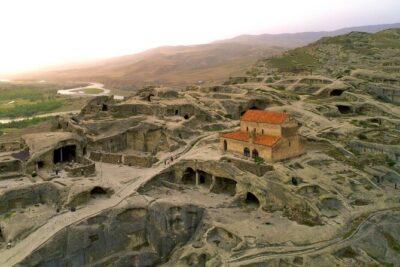
Next comes the big contrast: Uplistsikhe, described as a cave city from the end of the II to the beginning of the I millennium BC. The experience here is all about imagination plus geography. You’ll explore stone labyrinth-like areas: places treated as living spaces and utility rooms, plus the idea of cult rites tied to a pagan world that predates the churches you saw in Mtskheta.
The tour framing includes practical history beats too. You’ll learn about Uplistsikhe’s trade connections with Urartu and Media, how it reached a heyday, and how it later declined. It’s a strong reminder that this region wasn’t only religious—it was also commercial and strategic.
Then there’s the best part for many people: the scenery. Uplistsikhe offers wonderful panoramas of the Kura Valley. Even if you’re not into ancient history, the view helps you understand why people built and carved here in the first place.
Ticket reality check: Uplistsikhe isn’t included in the base tour price, with extra pricing stated as 15 GEL in the stop description and 17 GEL in the listed exclusions. Budget for that if Uplistsikhe is the reason you booked this day trip.
Also plan for walking inside and around the cave structures. Some guests have described this stop as not long enough if you want to linger, so if you tend to go slow through ruins, keep that in mind and pace yourself.
Gori and the Stalin Museum add-on: optional, political, and guided by the group
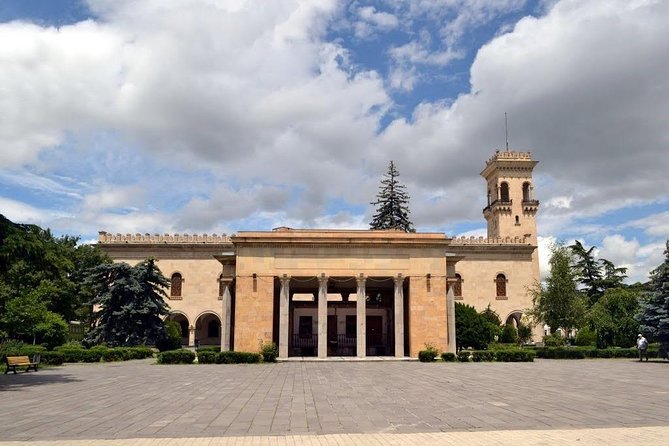
The second half can include Gori and, at the group’s request, the Stalin Museum in his hometown. The tour data makes it clear this isn’t guaranteed for every departure—it depends on the group decision. If your goal is strictly Mtskheta and Uplistsikhe, you might find it useful to ask when you book whether your departure typically includes Gori.
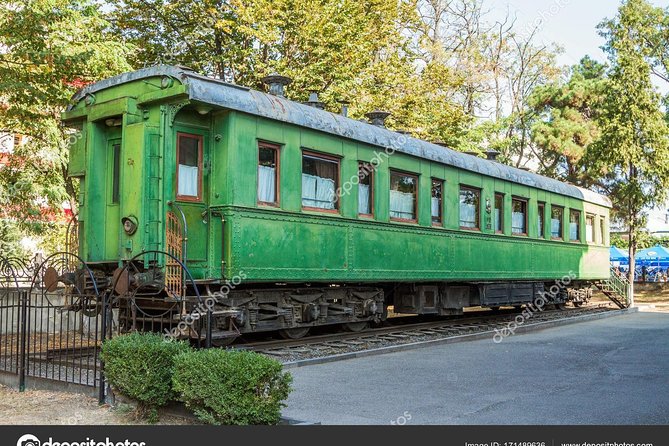
The museum visit is guided, with a 1-hour slot. You’ll see preserved items tied to Stalin: sculptures, personal belongings, and furniture, all explained by a museum guide.
A note on emotional tone: this is political history, and not everyone connects with it the same way. Some people have said the museum felt confusing or too much about a brutal dictator, even if the guide context helped explain Georgian connections. In other words: come ready for heavy subject matter, not just a neutral museum stop.
Ticket reality check again: extra cost is stated as 15 GEL in the itinerary section and 17 GEL in the exclusions list, so expect to pay on the spot.
Lunch stop: local products, paid restaurant time, and what to expect
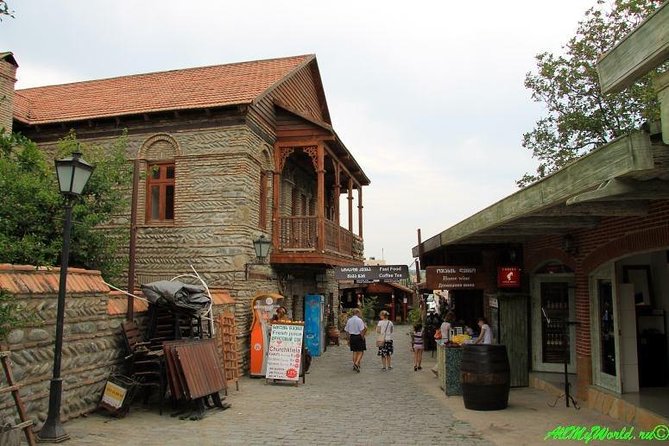
Between Uplistsikhe and the next legs, you’ll reach a local restaurant for a break and taste local products. The tour includes this as a guided pause, but the restaurant itself is paid. The duration listed is 2 hours 20 minutes, which is long enough to eat and rest your feet before you return toward Tbilisi.
One honest caution: the food experience can be mixed. A guest described the meal as oily and the staff attitude as not ideal. That doesn’t mean your meal will be bad, but it does mean you should avoid expecting a polished, Western-style restaurant lunch.
What I suggest: bring a small snack if you have dietary preferences you really care about, and plan your water. A day with churches plus cave city walking adds up faster than you think.
More Gori and Uplistsikhe cave-town days we have traced from Tbilisi


Price and value for $19: what’s covered, what costs extra
At $19 per person (about a 9-hour day), the value mainly comes from having transport plus a driver-guide and included admission for the core religious sites.
Included admission tickets: Jvari Monastery and Svetitskhoveli Cathedral. Those are often the expensive friction points when you DIY, because you’re juggling tickets, timing, and navigation.
Not included costs you should plan for:
- Uplistsikhe ticket listed as 15 GEL or 17 GEL depending on where it appears in the tour details
- Stalin Museum ticket listed as 15 GEL or 17 GEL
- Restaurant lunch (paid)
So is it a bargain? For most visitors, yes—especially if Jvari and Svetitskhoveli are your top priorities. If Uplistsikhe and Gori/Stalin Museum are must-dos for you, the extra tickets mean the final spend rises, but you’re still buying convenience and guided context for several major sites in one day.
My practical take: treat the $19 as the base for guided movement and included church entries. Then treat Uplistsikhe and Stalin Museum as add-ons you should budget for in cash.
Timing, group pace, and language: where the tour can feel great or rushed
This is a group tour with maximum 15 travelers, and that usually helps with pace and comfort. Still, the itinerary is packed: viewpoint climbing at Jvari, cathedral history, Uplistsikhe caves, plus the potential Gori detour and return to Tbilisi. If you want long unstructured time at each place, you might feel compressed.
Language is another real-world factor. The tour is offered in English, and the guides speak both English and Russian, but several guests have criticized that English explanations can be short, with Russian taking more space. I’d plan for short English overviews punctuated by guided movement, not an always-on, hour-by-hour lecture in perfect depth.
When the guide is strong, the whole day clicks. Names that have come up with excellent feedback include Luca, Paata, Emilia, George, and Tornike. The consistent theme in praise is simple: clear explanations tied directly to what you’re standing in front of.
If you’re picky about explanations, consider this your best move: arrive on time, keep your attention on the guide, and ask questions if there’s a moment to do it—because when a guide has good chemistry, it shows fast.
Who this tour suits best (and who should rethink it)
This day trip fits best if you want a faith-history contrast in one outing: churches in Mtskheta and Jvari, then the pre-Christian cave city at Uplistsikhe. It also suits you if you like big views and don’t want to spend your energy on logistics.
It’s especially good if you want a driver-guide to manage transport and timing while you focus on walking, photos, and stories. The group size stays small, and you’re not stuck with a massive crowd shuffle.
You might want a different plan if:
- You strongly need deep English narration throughout every segment
- You prefer unhurried ruin time (Uplistsikhe can feel short for people who want to linger)
- You’d rather avoid political history altogether (the Stalin Museum portion is optional, but it may still appear depending on group choice)
For everyone else, it’s a solid “see the classics” structure with real geographic variety.
Tips to make the day smoother (bring these, skip the headaches)
- Bring comfortable shoes and something weather-ready. One note from guests: a sunny day is great, but rain changes everything for walking viewpoints and cave areas.
- If you’re sensitive to long bus time, consider bringing a light layer. You’ll do a lot of driving across regions and back to Tbilisi.
- Wear clothing that works for churches. Even when the tour doesn’t spell it out, you’ll be entering active religious spaces, so plan for a modest and practical outfit.
- Pack for walking. Jvari and the cave city both reward mobility, and a 9-hour day can surprise you.
Small bonus tip: keep your phone charged. The confluence view from Jvari and the panoramas from Uplistsikhe are the kind you’ll want more than one photo angle for.
Should you book this Mtskheta, Jvari, Gori, Uplistsikhe tour?
I think it’s a good booking for most first-timers in Tbilisi who want a meaningful outside-the-capital day. The included cathedral visits make the price feel fair, and the itinerary gives you a clean timeline from Christianity-era significance back to the ancient cave-city world. If you’re a “one-day greatest hits” type, this fits your style.
Book it if you:
- want Jvari and Svetitskhoveli without worrying about tickets and transport
- enjoy mixed history (religion plus pre-Christian life)
- like guided context more than wandering alone
Skip or choose carefully if you:
- need consistently deep English commentary the entire day
- hate feeling rushed through ruins
- would rather avoid the Stalin Museum topic unless you’re sure it’s truly optional for your departure
If you do book, keep your expectations realistic: it’s a guided group day with a fixed pace. When your guide brings the story clearly, it’s exactly the kind of Georgian day that makes the country stick in your mind.
FAQ
What time does the tour start?
The tour start time is 9:00 am.
How long is the tour?
It runs for about 9 hours.
How many people are in a group?
The tour has a maximum of 15 travelers.
Is the tour available in English?
Yes. The tour is offered in English.
Are tickets for Jvari and Svetitskhoveli included?
Yes. Admission tickets are included for Jvari Monastery and for the Svetitskhoveli Cathedral stop.
Do I need to pay extra for Uplistsikhe?
Yes. The Uplistsikhe ticket is listed as an additional cost (shown as 15 GEL in the stop description and 17 GEL in the exclusions).
Is the Stalin Museum included?
The Stalin Museum visit is optional, at the group’s request. The ticket is not included, with extra cost shown as 15 GEL in the itinerary section and 17 GEL in the exclusions.
Is lunch included?
Lunch at the local restaurant is paid by visitors. The tour includes the restaurant stop and tasting local products, but the restaurant itself is not included.
What if the weather is bad?
This experience requires good weather. If it’s canceled due to poor weather, you’ll be offered a different date or a full refund.
More from Our Tbilisi Review Desk

More Gori and Uplistsikhe Cave-Town Days
More Mtskheta and Jvari UNESCO Runs

Not quite your thing? More Tbilisi tours and day trips from our review desk



Mtskheta & Jvari UNESCO Trips, compared.
 ★ 5.0Day Trip to Mtskheta Gori and UplistsikheFrom $291,801 reviews
 ★ 5.0Mtskheta,Jvari,Bazaar,wine tasting,Chronicles of GeorgiaFrom $20730 reviews
 ★ 5.0Mtskheta-Gori-UplistsikheFrom $90112 reviews
 ★ 5.0Mtskheta-Jvari-Uplistsike-Chronicle of Georgia, PRIVATE TripFrom $68105 reviews
 ★ 4.5Tbilisi – Mtskheta – Jvari. Full City Tour on Hop On Hop Off BusFrom $4091 reviews
 ★ 4.5Ancient Georgia Group Tour: Mtskheta,Jvari, Gori, UplistsikheFrom $2473 reviews
 ★ 5.0Ancient Mtskheta and Chronicle of Georgia half day tourFrom $6566 reviews
 ★ 5.0Private Day Trip to Gudauri and Kazbegi from Tbilisi via Jvari and MtskhetaFrom $11457 reviews
Browse the lists this tour appears in