
Reviewed · SOVIET & BRUTALIST TBILISI
Soviet Tbilisi Tour – Off the beaten path
Soviet Tbilisi isn’t in most guidebooks. This half-day tour takes you through Soviet-era sites that feel strange in the best way, from a basement printing museum tied to Stalin to brutalist monuments and concrete housing-era architecture that doesn’t behave. It’s off the beaten path without being hard to manage.
Two things I really like: you get private, full-attention guiding (and several guides, like Temo, Zezva, Irakli, George, and David, clearly know how to explain what you’re seeing), plus the tour handles the “how do I get there?” part with hotel pickup and drop-off. One possible drawback: if you only want Tbilisi’s old-town vibe and would rather skip Soviet politics and concrete-heavy sights, this one may feel too focused.
In This Review
- Key takeaways before you go
- Why Soviet Tbilisi hits differently than the Old Town
- Stalin’s Underground Printing House: basement history in plain sight
- Chronicles of Georgia: the brutalist “Stonehenge” and the Tbilisi Sea view
- Nutsubidze Skybridge: surreal Soviet architecture and a long photo walk
- How the 5-hour format keeps you seeing, not waiting
- Private guiding: real context, room for questions, and picture pauses
- Price of $49.68: what you’re really buying
- Who should book this Soviet Tbilisi tour (and who might skip it)
- Should you book this Soviet Tbilisi tour?
- FAQ
- How long is the Soviet Tbilisi Off the beaten path tour?
- Where does the tour start and end?
- Is hotel pickup included?
- Is this tour private?
- What language is the tour offered in?
- Are tickets included for the stops?
- Do I need to book far in advance?
- Can I cancel and get a full refund?
- Is it suitable for most travelers?
Key takeaways before you go
- Stalin’s underground printing museum: a surreal basement setting with included entry
- Chronicles of Georgia viewpoint: brutalist “Stonehenge”-style monument with free time and big panoramas
- Nutsubidze Skybridge for photos: Soviet buildings, odd shapes, and a strong “urban exploration” feel
- Private-group pacing: time for questions and photos without the constant rush
- Pickup and drop-off included: less logistics stress, more time out in the city
- English tour option: helpful if you want clear context rather than guessing
Why Soviet Tbilisi hits differently than the Old Town

Most first-time Tbilisi plans center on the historic core. This tour goes elsewhere, into neighborhoods shaped by ideology, engineering, and everyday Soviet life. The result is a city you can’t fully understand just by walking the postcard streets.
I like how the route tells a story using locations, not speeches. You’ll go from a propaganda-era press to oversized commemorative monuments to housing-and-infrastructure architecture that still shapes how people move through Tbilisi today. Even if Soviet history is uncomfortable, the places are undeniably real.
This is also a practical choice. The tour lasts about five hours, and the sightseeing stops are timed so you can actually look around, not just speed-past. You’ll see concrete, viewpoints, and “how did they build that?” geometry—then be dropped back at a very walkable central area.
More Soviet and brutalist Tbilisi walks we have wandered off the tourist trail


Stalin’s Underground Printing House: basement history in plain sight
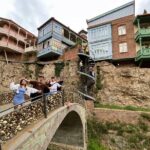
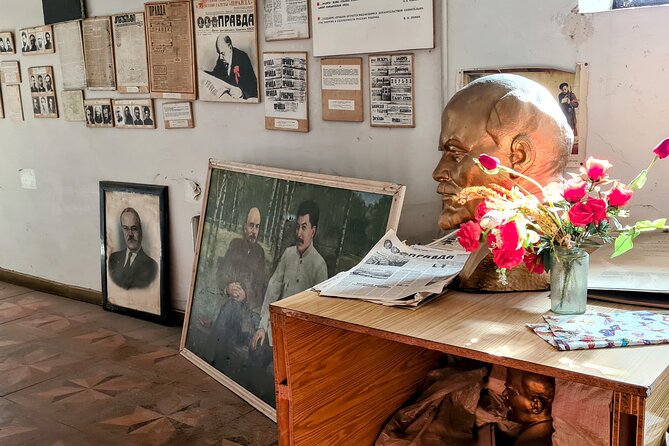
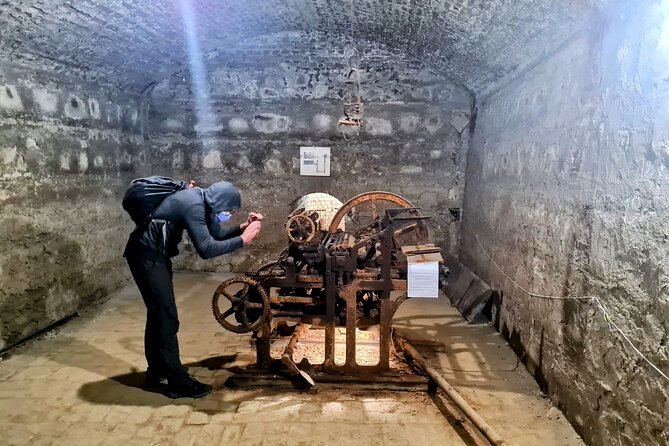
Your first stop is J. Stalin’s Underground Printing House Museum, set in the basement of an older private house. That detail matters. Underground spaces change the mood immediately: you’re not in a shiny exhibition hall, you’re in something closer to a preserved setting that feels tucked away.
You’ll spend about 30 minutes here, and admission is included. A standout detail is that you’ll also get to meet the museum director, described as a dedicated communist. That’s not just a trivia moment—it’s the kind of encounter that turns the facts into something more human and complicated, because you’re seeing the story through a person who still takes it seriously.
What you should expect:
- A museum experience focused on how Soviet-era messaging was produced and controlled
- Lots of relics and atmosphere tied to the underground press concept
- A guided conversation that connects the museum to what you’ll see later in the day
Possible drawback to consider: this stop is only half an hour. If you’re the type who likes to linger and read every placard slowly, you might want a little extra time here. The upside is that the tour doesn’t waste your day—each stop feeds the next one.
Chronicles of Georgia: the brutalist “Stonehenge” and the Tbilisi Sea view
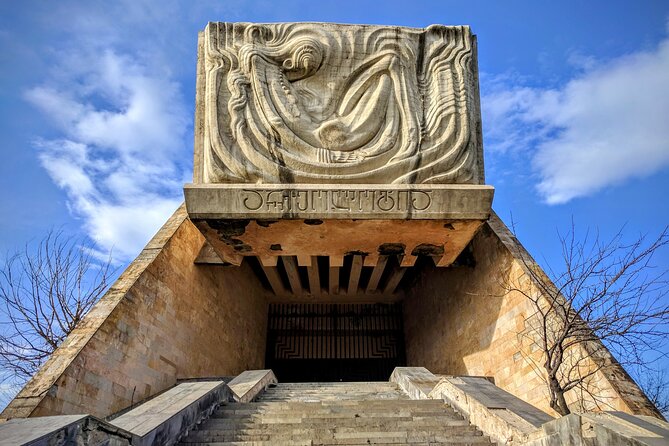
Next up is the Chronicles of Georgia monument—often described as a Georgian “Stonehenge,” but with a very Soviet, brutalist edge. You’ll spend about 30 minutes at this stop, and entry is free.
The monument is unfinished, and that’s part of the effect. It sits on a hill above the city, so you’re not just looking at sculpture and concrete; you’re looking at how the monument relates to the surrounding Soviet-era blocks and the water reservoir known as the Tbilisi Sea. The view does a lot of the teaching.
What makes this stop work well:
- You get a pause in the middle of the day where the city scenery becomes part of the lesson
- The free admission time makes it easy to enjoy even if museums aren’t your thing
- You can connect architectural form to city layout and ideology
One thing to think about: this is an outdoor, hill-based spot. Weather and sun can affect comfort and photo quality. If you go on a bright day, you’ll likely get better visibility toward the reservoir; if it’s windy or rainy, plan for it and keep your camera protected.
Nutsubidze Skybridge: surreal Soviet architecture and a long photo walk
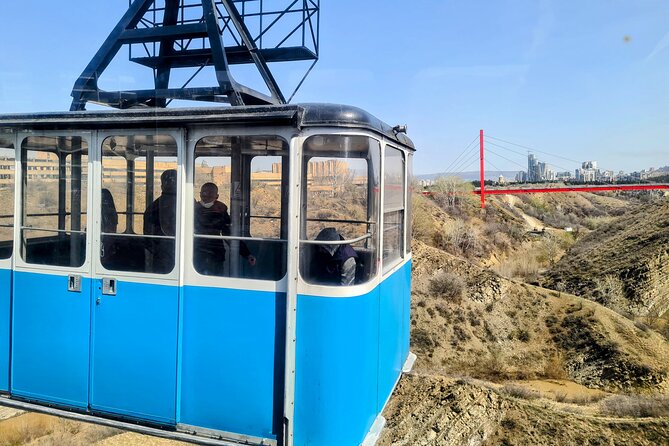
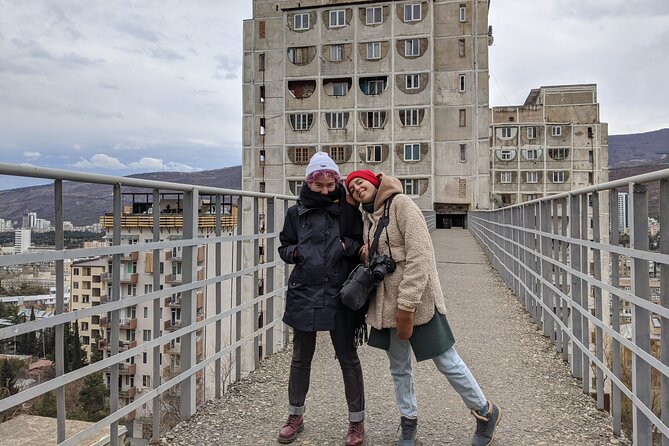
The final major stop is the Nutsubidze Skybridge area, where Soviet-period architecture goes full oddball. You’ll have about two hours here, and admission is included—so you can take your time without worrying about extra entry costs.
This is the stop that feels most like urban exploration. You’ll see:
- Concrete block housing areas
- A giant monument dedicated to Georgian history
- A “puzzle” building that’s described as defying the laws of architecture
That wording may sound dramatic, but the idea is clear: you’re walking through a place where scale, angle, and geometry don’t behave the way your brain expects. For photos, it’s great because you can frame long lines, unusual silhouettes, and the contrast between structures and the people using them.
Why I think this stop is the best use of the longer time:
- Two hours lets you actually reposition for photos and viewpoints
- You can walk at a comfortable pace instead of sprinting between angles
- You get enough time to understand why these structures feel so different from older historic sites
Practical consideration: because this is a photo-and-walk stop, wear shoes that don’t mind uneven ground and stairs. Bring a light layer too, because this part of Tbilisi can feel more exposed than the tight streets of the center.
How the 5-hour format keeps you seeing, not waiting

The tour runs about five hours, which is long enough to feel meaningful and short enough to fit a normal travel day. You’ll also avoid the time drain of figuring out transfers on your own.
Pickup and drop-off are included from your Tbilisi hotel or holiday apartment. That matters more than it sounds. In cities with steep bits and spread-out neighborhoods, saving just 30 minutes each way can turn into a full extra photo stop.
Meeting-wise, the tour starts near the Round fountain in Avlabari and ends at the flea market by Dry Bridge on the right bank. That end point is handy because you can keep exploring nearby without needing another plan.
Timing is also built around attention spans. The first two stops are about 30 minutes each, then the third is two hours, which creates a natural rhythm: museum context first, then city/monument context, then the longest hands-on architecture walk.





Private guiding: real context, room for questions, and picture pauses

The biggest value on tours like this isn’t the places—it’s the explanation that ties them together. This experience is offered as a private tour for your group, with guides sharing full attention and enough time to ask questions.
From the guide examples people share, you’ll likely get an approach that’s friendly and practical, not just lecture mode. Names that come up often include Temo, Zezva, Irakli, George, and David. There’s also mention of one guide with a Master’s degree, and more than one person notes English that feels natural and clear.
What you’ll notice in the flow:
- The guide can connect what you’re seeing to how Tbilisi developed
- You’re not stuck in a rigid script; questions fit into the stops
- You get space for photos rather than constant motion
If you care about architecture, the guiding style becomes even more useful. You’ll look at shapes and materials, but you’ll also learn what those forms tried to accomplish—and how the city absorbed them anyway.
Price of $49.68: what you’re really buying
At $49.68 per person for about five hours, this is priced like a solid value for a private city outing that doesn’t just show “landmarks from a distance.”
Here’s why the price makes sense based on what’s included:
- Hotel pickup and drop-off are included
- Admission is included for the Underground Printing House Museum
- Admission is included for the Nutsubidze Skybridge stop
- The Chronicles of Georgia stop is free
- The tour is in English
- You get the benefit of private guiding, not a crowd shuffle
Also, you may see this booked fairly early: it’s noted as being commonly reserved about 28 days in advance on average. That doesn’t mean you can’t find a slot last minute, but if your trip dates are fixed, it’s smart to lock it in sooner rather than later.
A good rule of thumb: if you’re the type who likes to understand what you’re photographing, a guided structure usually beats solo wandering here. The buildings are striking, but the context is what makes them stick.
Who should book this Soviet Tbilisi tour (and who might skip it)
This tour is a strong fit if you want Tbilisi beyond the center. You’ll likely enjoy it most if you care about:
- Soviet-era urban design and how it shaped daily space
- Architecture that looks unfamiliar on purpose
- Learning while you walk and photograph
It’s also a good choice if you like guided routes because the places can be hard to piece together alone, especially with time constraints.
I’d suggest skipping or at least thinking twice if:
- You’re not interested in Soviet history at all
- You want a mostly relaxed, café-and-stroll day rather than structured stops
- You strongly prefer classic “tourist core” sights
Should you book this Soviet Tbilisi tour?
Yes, if your Tbilisi checklist includes understanding the city’s more recent past through real places. The mix is smart: a basement museum for political context, a brutalist monument with city and reservoir views, then a longer architecture walk where the visuals do most of the talking. With private guiding, pickup convenience, and admissions handled, you get a lot of value in about five hours.
If Soviet themes make you uneasy, you can still go for the architecture and the perspective shift. Just be aware that this isn’t a neutral “pretty monuments only” tour. It’s about how Tbilisi looks and feels under a specific era’s influence—and you’ll come away seeing concrete differently.
FAQ
How long is the Soviet Tbilisi Off the beaten path tour?
It runs for about 5 hours (approx.).
Where does the tour start and end?
It starts near the Round fountain in Avlabari. The end point is at the Flea Market area by Dry Bridge, and the tour notes that drop-off there is possible.
Is hotel pickup included?
Yes. Pickup is offered, and you share your hotel or holiday apartment details for pickup on the private tour.
Is this tour private?
Yes. It’s a private tour/activity, so only your group participates.
What language is the tour offered in?
The tour is offered in English.
Are tickets included for the stops?
Admission is included for the J. Stalin’s Underground Printing House Museum and for the Nutsubidze Skybridge stop. The Chronicles of Georgia stop is listed as free.
Do I need to book far in advance?
On average, this tour is booked about 28 days in advance, so booking earlier is a safe move if your dates are fixed.
Can I cancel and get a full refund?
Free cancellation is available. You can cancel up to 24 hours in advance for a full refund.
Is it suitable for most travelers?
It says most travelers can participate, and it also notes the tour is near public transportation.
More Tbilisi Tours and Georgian Day Trips




More from Our Tbilisi Review Desk
More Soviet and Brutalist Tbilisi Walks



Not quite your thing? More Tbilisi tours and day trips from our review desk












Soviet & Brutalist Tbilisi, compared.
 ★ 5.01 Day Private Armenia: UNESCO, Soviet & Curated Family LunchFrom $135106 reviews
 ★ 5.0Tbilisi old town & soviet heritage – Private driver-guided TourFrom $7783 reviews
 ★ 5.0Armenia: 1 Day Soviet gems, UNESCO + Family lunch (Small group)From $4968 reviews
 ★ 5.0Brutal Tbilisi: Urban exploration and untold storiesFrom $7559 reviews
 ★ 5.0Soviet past – Private day tour to Chiatura, Katskhi pillar and ChroniclesFrom $14929 reviews
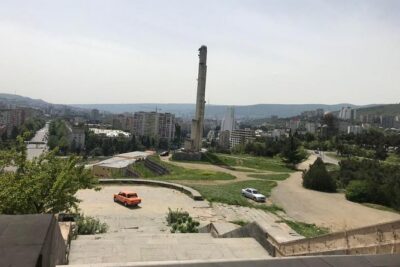 ★ 5.0Concrete Giants TourFrom $5420 reviews
 ★ 4.5Soviet Story – Private day trip to Chiatura, Stalin’s museum and Katskhi pillarFrom $2015 reviews
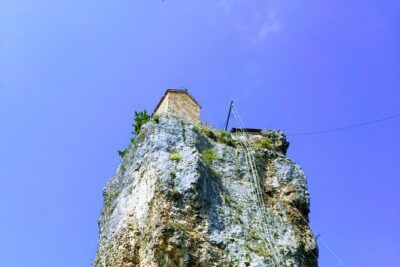 ★ 5.0Chiatura and Katskhi Pillar One Day Urbex TourFrom $12314 reviews
Browse the lists this tour appears in