

Reviewed · OLD TBILISI WALKING TOURS
Private Cooking Class with a Tbilisi Food and City Expert Dinara
Cooking in a real apartment changes everything. A private class with Dinara turns Georgian food into something you actually make, not just watch from afar. You’ll meet her in her Saburtalo home, sip something cool, and get hands-on as she walks you through recipes her family has passed down.
My favorite part is the personal instruction. You learn 3 Georgian dishes from scratch, with tips and techniques explained as you cook. The other big win is the meal itself: you sit down and share what you made, finishing with a traditional sweet like matsoni or yoghurt with honey and nuts.
One consideration: this is a home-based setup, so it feels casual and lived-in, not like a polished restaurant kitchen. If you want a formal, studio-style experience, you may find the apartment pace and space a bit more “real life” than you expect.
In This Review
- Key Highlights You’ll Care About
- Private Georgian Cooking Class in Dinara’s Saburtalo Apartment: What Makes It Different
- Meeting Dinara: A Home Visit, Not a Pass-Through
- Your 2.5 Hours of Hands-On Cooking: 3 Georgian Dishes
- The Menu Breakdown: Khachapuri, Dumplings or Chicken, and Pkhali
- Khachapuri: Cheese and Egg Bread
- Georgian Salad: Fresh Counterpoint
- Khinkali or Shkmeruli: Two Different Paths to a Comfort Meal
- Pkhali: Minced Vegetables, Nuts, and Herbs
- Eating Together: How the Family-Style Meal Feels
- Price and Value: What $148 Buys You in Tbilisi
- Who Should Book This (and Who Should Skip)
- Practical Tips So You Enjoy Every Minute
- Book It or Skip It: My Honest Take for Tbilisi
- FAQ
- Where does the class start?
- How long is the cooking class?
- Is this a private experience?
- How many dishes will I learn to make?
- What kinds of dishes are included?
- Do I get to eat the food I cook?
- Who will host the class?
- When will I receive confirmation after booking?
- Are service animals allowed and what about cancellation?
Key Highlights You’ll Care About
- Dinara’s Saburtalo apartment cooking scene with her family present and a friendly dog nearby
- 3 dishes made from scratch (including options like khinkali or shkmeruli) plus pkhali and salad
- Technique-first teaching before you start cooking for real
- Eat everything you make in a family-style table afterward
- End with a Georgian dessert like matsoni or yoghurt with honey and nuts
- Private class for your group only, with group discounts available
Private Georgian Cooking Class in Dinara’s Saburtalo Apartment: What Makes It Different
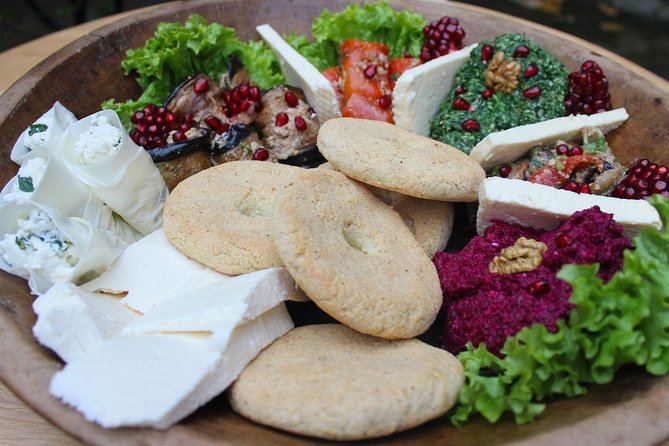
If you’re tired of tours where you taste something once and move on, this class is the opposite. You’re not just sampling Georgian cuisine. You’re cooking it in a real home kitchen in Tbilisi.
The structure is simple and effective. You spend about 2.5 hours cooking, then you eat everything together. That balance matters because you get both the process and the payoff.
The host, Dinara, is a former café owner and also works as a city guide. That background helps the class feel more like a conversation than a lecture. She’s sharing how Georgian food works, not only the steps to make it.
More Old Tbilisi walking tours through the balconied backstreets



Meeting Dinara: A Home Visit, Not a Pass-Through
The experience starts in Saburtalo, Tbilisi, where you’ll meet Dinara at her apartment. You’re not waiting in a lobby, and you’re not being shuttled to some separate studio. This is a home visit, and you’ll feel that as soon as you arrive.
Dinara shares the apartment with her husband, daughter, and a friendly dog. You’ll sip a refreshing drink before you head into the large open kitchen area. Even if you’re not sure what to expect, that “welcome first” moment makes the whole class feel warmer and less intimidating.
Because it’s private, you’re only cooking with your group. That’s a big deal for comfort and attention. In a home setting, the instructor can actually see what you’re doing and help adjust in the moment.
Your 2.5 Hours of Hands-On Cooking: 3 Georgian Dishes
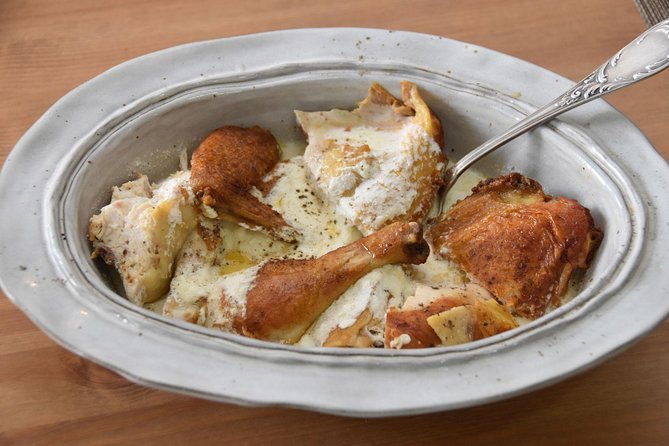
The heart of the class is learning to make 3 Georgian dishes from scratch. You’re not just assembling or reheating. You’ll work through real cooking tasks, from mixing and shaping to getting the timing right.
Dinara teaches from recipes her family has used for generations. That’s not just trivia. It changes how she explains things. You’ll hear the practical reasons behind techniques—how ingredients behave, when to trust your senses, and what “good” looks like while you cook.
Expect the class to run about 2.5 hours of hands-on instruction. Then you’ll transition into the family-style meal. That flow keeps you from feeling rushed, and it also means the cooking part leads naturally into tasting.
Here’s what you should watch for while you cook: how the dough, fillings, and sauces come together. Georgian food often depends on texture and timing—especially for breads, dumplings, and garlic-based sauces. If you pay attention in those moments, you’ll walk away with skills you can use again later.
The Menu Breakdown: Khachapuri, Dumplings or Chicken, and Pkhali
You’ll make a menu that gives you a good spread of Georgian flavors and textures. The class includes dishes such as khachapuri, a Georgian salad, and either khinkali or shkmeruli, plus pkhali.
Khachapuri: Cheese and Egg Bread
Khachapuri is one of those foods that’s hard to fully understand until you make it. In class, you’ll work on the bread and the filling so you can see how it transforms from separate ingredients into something that’s bread-soft and cheese-rich.
This dish is a great anchor because it teaches you how Georgian cooking handles richness. You’ll learn how to balance the dough stage with the filling so it bakes up properly instead of turning soggy or dry.
More Tbilisi food walks for khinkali, khachapuri and market bites




Georgian Salad: Fresh Counterpoint
The Georgian salad brings freshness to the table. Even though the class is centered on cooking, this salad helps you understand that Georgian meals often aim for contrast: warm, hearty food alongside something crisp and bright.
It’s also a useful skill. When you make the salad as part of the class, you stop thinking of it as an afterthought and start treating it as part of the meal’s structure.
Khinkali or Shkmeruli: Two Different Paths to a Comfort Meal
You’ll either make khinkali (Georgian dumplings) or shkmeruli (fried chicken in a garlic sauce), depending on what’s included in your session.
- If it’s khinkali, you’ll focus on shaping dumplings and getting the process right so they cook well and hold their character.
- If it’s shkmeruli, you’ll work toward that garlic-forward sauce feel, where the flavor comes from the sauce itself, not just the chicken.
Either choice helps you understand Georgian comfort food in two styles. Dumplings teach technique and form. Garlic sauce cooking teaches timing and seasoning.
Pkhali: Minced Vegetables, Nuts, and Herbs
Pkhali is the “let’s slow down and taste” dish. It’s made from minced vegetables mixed with nuts and herbs, which gives it a distinct, earthy profile. Even if you don’t normally eat herb-forward dishes, pkhali is a good way to learn Georgian flavor logic.
This dish also helps you appreciate texture. It’s not just about taste—nuts and minced vegetables create a different kind of bite compared with bread or dumplings.
Eating Together: How the Family-Style Meal Feels
After you finish cooking, you sit down and share the meal family-style with Dinara. This part is more than convenient. It’s where the class becomes a cultural experience.
Family-style dining matters because it changes how you experience the food. You’re not eating alone, and you’re not rushing to make space for the next stop. You’re at the table with the person who taught you, so you can ask questions naturally as dishes land.
You’ll eat the dishes you helped prepare, including khachapuri, the salad, and the main dish (khinkali or shkmeruli), plus pkhali. That lineup gives you a full meal rather than a few small tastes.
Then the food doesn’t stop with savory. You’ll end with a traditional Georgian dessert such as matsoni (or a similar yoghurt-based option), plus options like yoghurt with honey and nuts. Matsoni is especially worth noting because it’s a Georgian staple you might not see in the same way elsewhere. The honey-and-nuts finish is a comforting close that feels made for sharing.
Price and Value: What $148 Buys You in Tbilisi
At $148 per person, this isn’t the cheapest thing you can do in Tbilisi. But it’s also not trying to compete with street food tours or quick tastings.
The value comes from three places:
- It’s private. Only your group participates.
- You’re doing real cooking and then eating what you make.
- You’re in a local apartment with a host who’s both a cooking instructor and a city guide.
Also, there are group discounts available, which can make the per-person price feel more fair if you’re not coming solo. And because the experience uses a mobile ticket approach, you’re not dealing with paper or complicated handoffs once you’re there.
Booking timing is another clue. This class is commonly booked about 17 days in advance on average. That suggests demand. If you have firm travel dates, it’s smart to lock it in earlier rather than waiting for the last minute.
If you compare it to paying for multiple food experiences plus a separate cultural guide, the “all-in” format makes more sense. You get teaching, cooking, and a full meal in one block of time.
Who Should Book This (and Who Should Skip)
This class is perfect if you want something practical and hands-on. If your idea of a good day is learning a skill you can reuse, you’ll feel at home here.
I’d also suggest it if you like meeting locals in a real setting. Dinara’s apartment isn’t staged. It’s her life, shared with her husband, daughter, and that friendly dog. You’ll get Georgian hospitality in a way that feels personal.
On the other hand, skip it if you want a quick checklist-style tour with lots of sightseeing stops. This is a focused food experience with cooking first. You’re not bouncing around town for photo ops.
It’s also best for groups who communicate and participate comfortably. Since you’ll cook together, having a group that’s ready to get a little hands-on will make the experience feel fun instead of awkward.
Practical Tips So You Enjoy Every Minute
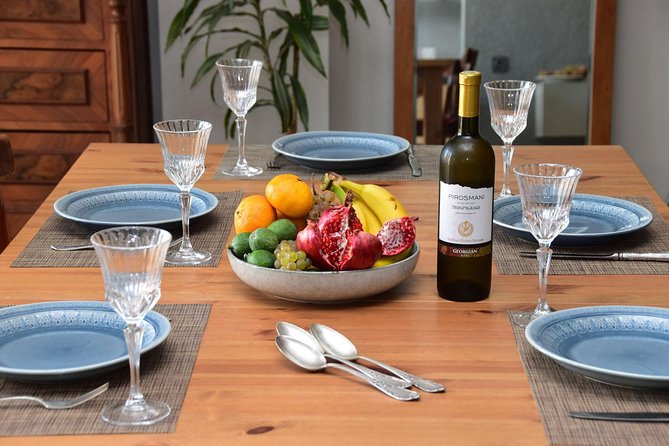
This is a home kitchen class, so treat it like one. Keep your schedule realistic for the 3 hours 30 minutes total duration, and plan to arrive calm. When you’re late, the whole flow gets stressed, and that’s the opposite of what you want.
If you’re the type who likes to learn by doing, go in ready to ask small questions during cooking. Dinara teaches techniques and tips before you sit down, so if anything feels unclear, ask while you’re working.
Also, don’t think of it as only learning recipes. Think of it as learning decision-making. Georgian food relies on texture and timing, especially when making bread-like dishes and dumplings or when working with garlic-based sauces. When you notice the “moment things change,” you’ll remember the lesson longer than the recipe card.
Finally, come hungry—then come grateful. You’ll spend time cooking, and you’ll actually eat everything afterward, including dessert. That matters because you’ll taste the results at full strength, not as tiny bites.
Book It or Skip It: My Honest Take for Tbilisi
If you’re choosing between this cooking class and another food tour, I’d give this one strong priority. You’re paying for a private, skills-based experience in a real apartment, and the meal is part of the deal, not a bonus afterthought.
One balanced note: while the overall rating is 4.2/5, the strongest praise centers on the class experience itself. There was also a low rating tied to booking-support trouble rather than the host. So if anything goes wrong, it’s more likely to be on the administration side than in the cooking.
Should you book? Yes, if you want hands-on Georgian cooking, a local home setting with Dinara, and a full family-style meal you helped create. Skip it only if you want lots of sightseeing or you’re looking for a fast, low-engagement tasting.
FAQ
Where does the class start?
The activity starts in Saburtalo, Tbilisi, Georgia, and it ends back at the meeting point.
How long is the cooking class?
The duration is about 3 hours 30 minutes total, with the hands-on cooking portion lasting about 2.5 hours.
Is this a private experience?
Yes. It’s private, meaning only your group participates.
How many dishes will I learn to make?
You’ll make 3 Georgian dishes from scratch during the hands-on portion of the class.
What kinds of dishes are included?
The meal can include khachapuri (cheese and egg filled bread), a Georgian salad, and either khinkali (Georgian dumplings) or shkmeruli (fried chicken in a garlic sauce), plus pkhali. A Georgian dessert such as matsoni or yoghurt with honey and nuts is included.
Do I get to eat the food I cook?
Yes. After cooking, you’ll sit down for a family-style meal and eat what you prepared.
Who will host the class?
The class is hosted by Dinara, a former café owner and a city guide.
When will I receive confirmation after booking?
Confirmation is received within 48 hours of booking, subject to availability.
Are service animals allowed and what about cancellation?
Service animals are allowed. Cancellation is free, and you can cancel up to 24 hours in advance for a full refund.
More Khinkali and Khachapuri Cooking Classes

More Tbilisi Food and Khinkali Walks
More Old Tbilisi Walking Tours


Not quite your thing? More Tbilisi tours and day trips from our review desk












Old Tbilisi Walking Tours, compared.
 ★ 5.0Tbilisi Walking Tour Including Cable Car and Traditional BakeryFrom $191,310 reviews
 ★ 5.0Evening Walking & Talking Tour with Wine & Boat RideFrom $10572 reviews
 ★ 5.0Kakheti;City of Love Sighnaghi, Bodbe. KTW. Wine House Group tourFrom $16376 reviews
 ★ 5.0Old Tbilisi Highlights walking tour with wine & 10 tastingsFrom $15276 reviews
 ★ 5.0Old Tbilisi Tour: Private Walking Tour With Wine TastingFrom $39273 reviews
 ★ 5.0Private Tbilisi Food Tour: 9 Tastings Walk in Bohemian DistrictFrom $79227 reviews
 ★ 5.0Old and New City Guided Tour with 2 Cable Car RidesFrom $39176 reviews
 ★ 5.0Tbilisi Old Town Walking Tour with a Local GuideFrom $38168 reviews
Browse the lists this tour appears in