
Reviewed · MTSKHETA & JVARI UNESCO TRIPS
One-day tour in ancient Mtskheta, Gori and Uplistsikhe
Three kingdoms in one long day. This one-day loop packs UNESCO-listed Mtskheta churches, Gori-area landmarks, and the rock-carved town of Uplistsikhe into a tight, guided schedule that’s easy to manage when you’re short on time. I especially like how the views and legends are built into the route, from Jvari’s hilltop cross story to Svetitskhoveli’s famous Christ-tunic legend. The other big win for me is the practical comfort factor: an air-conditioned vehicle, pickup, and a professional guide keep the day moving without feeling chaotic.
My main caution is the classic Georgia day-trip tradeoff: it’s about 10 hours with paid entries at a couple stops, plus you’ll need to plan for lunch on your own since it isn’t included.
In This Review
- Key points I think you’ll care about
- A 10-hour triangle of Mtskheta, Gori, and Uplistsikhe
- Price and logistics: what you’re really paying for
- Jvari Monastery: the hilltop cross view over two rivers
- Svetitskhoveli Cathedral: early medieval power and the tunic legend
- Old streets of Mtskheta: balconies, the old capital feel, and walking breaks
- Gori Fortress: a hilltop castle that kept getting re-written
- Stalin Museum in Gori: Soviet-era rooms and language planning
- Uplistsikhe cave town: Kartli’s rock-city and ancient street life
- Pacing and comfort: how to make a long day feel easier
- Who this tour fits best (and who might want something else)
- Should you book this Mtskheta–Gori–Uplistsikhe day trip?
- FAQ
- How long is the one-day tour?
- What stops are included on the route?
- Is pickup from Tbilisi included?
- Is the tour ticket mobile?
- Are entrance fees included for every site?
- Is lunch included?
- How much time do you spend at each main stop?
- What’s the group size limit?
- Is there a chance the tour gets canceled?
- What’s the cancellation policy?
Key points I think you’ll care about
- UNESCO heritage in Mtskheta, on one visit: Jvari and Svetitskhoveli are both recognized by UNESCO, with legends tied to early Christianity.
- A real change of scenery: you go from church hilltops and old-town streets to a fortress above Gori and then down into cave-city rooms at Uplistsikhe.
- Stalin Museum is Soviet-style, not just a few photos: expect museum rooms with that old-era feel, and plan for language needs.
- If you get Aleko (Evatours), you’ll likely enjoy the pacing: one guide name shows up in great feedback—Aleko—and people highlight his energy and storytelling.
- Uplistsikhe has serious age behind the rocks: it’s tied to early millennia settlement history, not a quick “photo spot.”
- You pay for two key entries yourself: Stalin Museum and Uplistsikhe admissions aren’t included, so budget a bit extra beyond the tour price.
A 10-hour triangle of Mtskheta, Gori, and Uplistsikhe
This is the kind of day trip that works well when you want more than one highlight, but you don’t want to drive yourself or stitch together tickets and transport. In roughly 10 hours, you’ll move through three areas that each tell a different part of Georgia’s story: early Christian Georgia around Mtskheta, fortress-era politics in Gori, and the ancient rock settlement at Uplistsikhe.
The best part is how the day feels like a guided “cause and effect” chain. You see how beliefs took physical form in church architecture, how power shifted in fortifications, and how people shaped survival and status into rock-cut cities. It’s the same region, but each stop changes your angle completely.
More Mtskheta and Jvari UNESCO runs we have made from Tbilisi
Price and logistics: what you’re really paying for
The price is $50.13 per person, and the tour runs about 10 hours. That’s not a “budget only” tour, but it’s also not just a bus ride to a couple places. You’re paying for an air-conditioned vehicle, pickup service, bottled water, fuel surcharge support, and a professional guide who helps you connect what you’re seeing to the larger story.
A couple practical items matter. First, the day includes mobile ticket use and pickup, so you’re not standing around figuring out where to meet. Second, group size is capped at 20, which usually helps keep questions from turning into a whisper-only exercise.
Two cost notes to keep you sane: admission isn’t included for the Stalin Museum and Uplistsikhe, and lunch is also not included. The tour price covers the guided transport and core visiting time, but you’ll want a small extra budget for those entry fees and your own meal.
Jvari Monastery: the hilltop cross view over two rivers
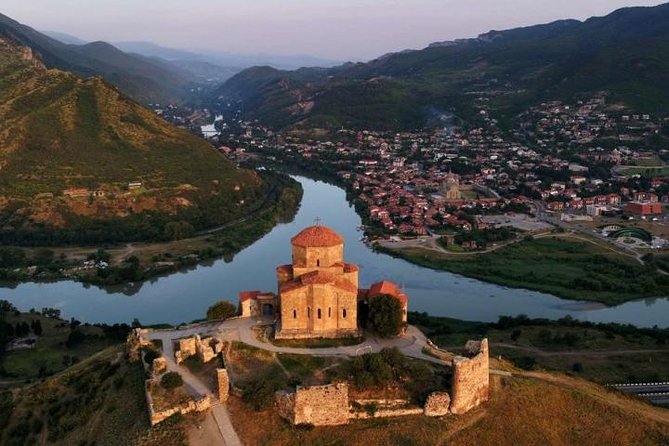
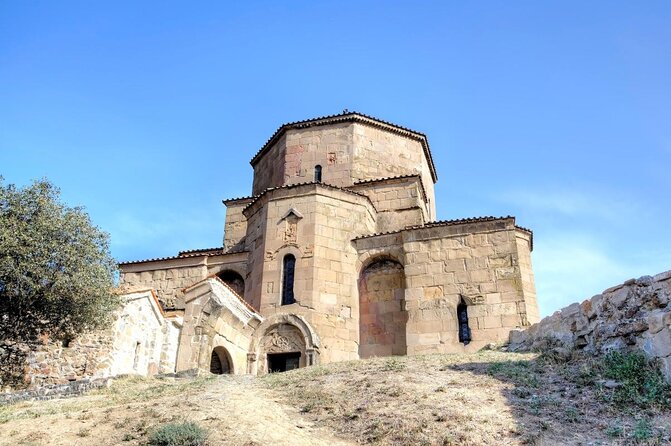
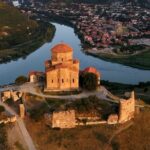
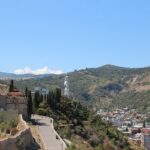
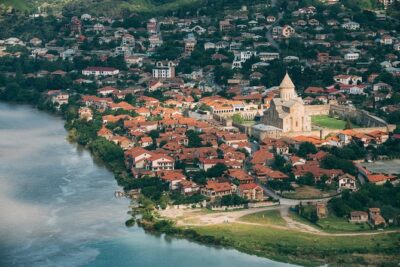
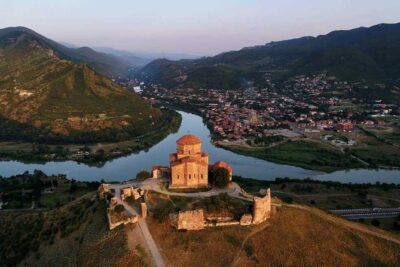
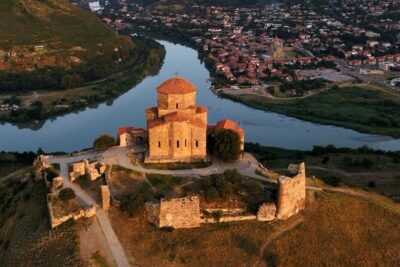
Jvari Monastery is one of those places where location is part of the meaning. It sits on a rocky hilltop where the Mtkvari and Aragvi rivers meet, giving you a natural overlook over the town of Mtskheta. If you like sites where a single vantage point explains so much, this stop does that job fast.
The story starts early, with King Mirian III erecting a wooden cross here after Christianity’s adoption in Georgia. Then in the second half of the sixth century, Guaram, the ruler of Kartli, built a small church by the Holy Cross. That mix—legend plus built heritage—makes the visit feel more than scenic.
Time-wise, you’ll have about 20 minutes here. That’s enough to appreciate the architecture and take in the river confluence from multiple angles, but it’s not a slow wander. If you’re the type who likes to linger, come prepared for a short but meaningful stop.
Admission is listed as free for this stop, which helps the day feel balanced: you’ll spend your extra money later for the two paid attractions.
Svetitskhoveli Cathedral: early medieval power and the tunic legend
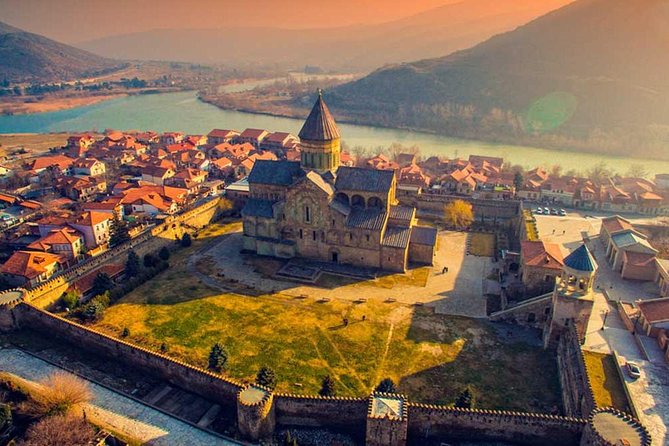
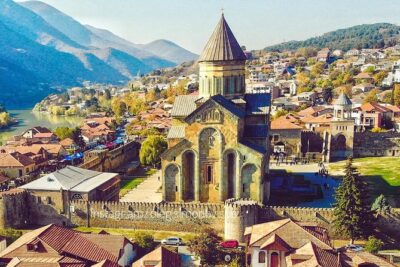
Svetitskhoveli Cathedral is in the former capital zone of Mtskheta and is also UNESCO-listed. It’s considered the second-largest church building in Georgia after the Holy Trinity Cathedral, so even if you don’t read every detail on the walls, your eyes understand the scale.
What pulls people in is the blend of architecture and legend. One of the best-known stories connects to Elioz of Mtskheta, who found the tunic of Jesus Christ in Jerusalem. Elioz’s sister Sidonia touched the tunic and died soon after, and she was buried wrapped in it. A cedar tree from Lebanon later grew from her grave—so the sacred idea is tied to both object and place.
You’ll typically have around 30 minutes at Svetitskhoveli. That gives you time for exterior and interior appreciation depending on access, plus a moment to sit with the setting before the next transfer.
Admission here is also listed as free, which makes this stop feel like high value inside the tour price. The cathedral also tends to be busy, so arrive mentally ready to experience it in a “see, read a bit, reflect, move on” rhythm.
Old streets of Mtskheta: balconies, the old capital feel, and walking breaks
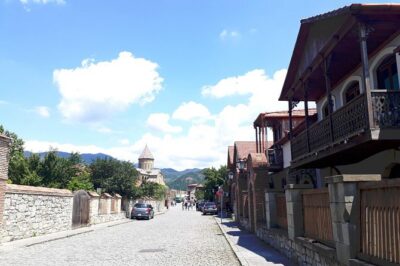
Between the major monuments, Mtskheta’s old-town vibe is part of why this route is worth doing. The tour includes exploring the old town, with streets lined by traditional buildings and those classic balconies that make the place feel unmistakably Georgian.
This is a nice break from “only churches all day.” Even if you don’t stop for a long café break, walking these streets helps you reset your eyes before you head into fortifications and then into cave rooms.
Since the itinerary is structured, don’t plan on long detours. Still, 10 hours is a lot for one day, so these small walking segments are more important than they look on paper.
More Gori and Uplistsikhe cave-town days we have traced from Tbilisi


Gori Fortress: a hilltop castle that kept getting re-written
Gori Fortress sits above the city of Gori and dates to the 13th century. It’s one of those sites where history feels layered, because the fortress changed hands repeatedly over centuries—captured by the Ottomans in the 16th century, then trading control between Turks, Georgians, and Persians.
Much of what you see today dates from the 17th and 18th centuries, and then the big event: a 6.2 magnitude earthquake in 1920 damaged the structures. That earthquake detail matters because it explains why parts of the fortress feel different from what you might expect from an unbroken medieval wall.
You’ll have about 30 minutes here. That’s enough to walk the hilltop edges, get your bearings, and appreciate the defensive design from a few angles without feeling hurried.
Admission for this stop is also free, so you’re not stacking extra costs right away. Pair it with the later museum visit and the day starts to feel like one coherent story: power, then ideology.
Stalin Museum in Gori: Soviet-era rooms and language planning
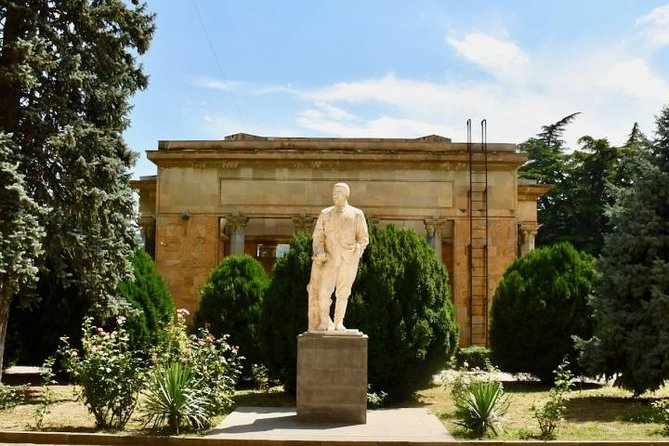
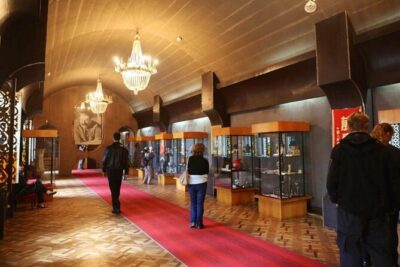
The Stalin Museum in Gori is about 45 minutes, and it’s one of the two stops where admission isn’t included in the tour price. This museum is dedicated to Joseph Stalin, who was born in Gori, and the experience retains Soviet-era characteristics.
Two practical tips make a difference here. First, plan to spend your time reading labels, because the museum feel is “walk-through history,” not just a quick hallway of photos. Second, language matters: exhibits are in Georgian and Russian, so if you can arrange English support through your guide or request an explainer mode, you’ll likely get more out of the visit.
One piece of real-world feedback I trust here: a guide named Aleko (Evatours) is specifically mentioned as fun and highly engaging, and museum comprehension was improved when an English explainer was used. Even if you don’t get the same guide, the takeaway for you is clear—pay attention to language support so you’re not just seeing rooms.
If you’re sensitive to heavy political history, it can help to frame the museum as a historical artifact of how the Soviet period remembered its leaders. That mindset makes the visit more interesting and less exhausting.
Uplistsikhe cave town: Kartli’s rock-city and ancient street life
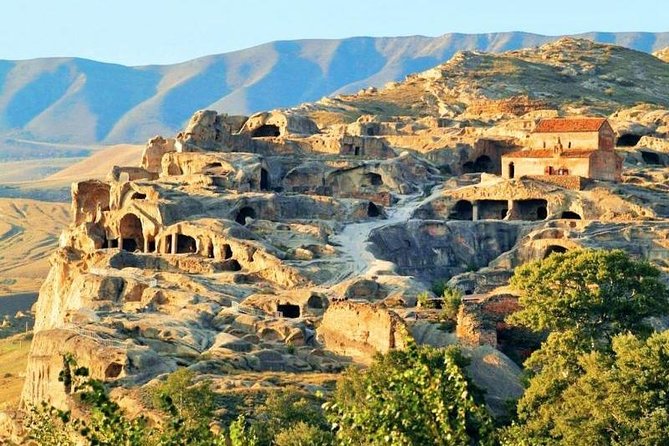
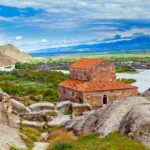
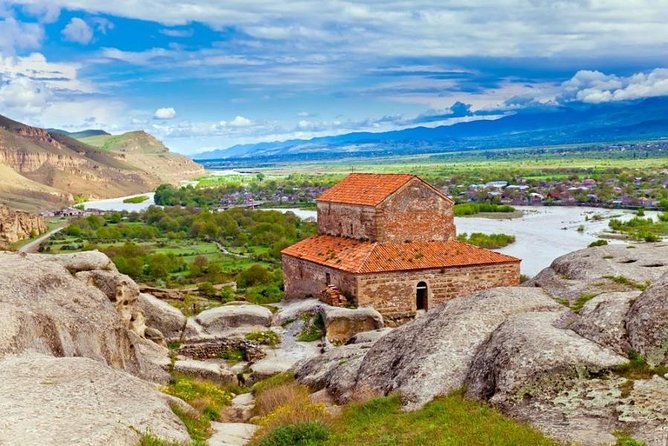
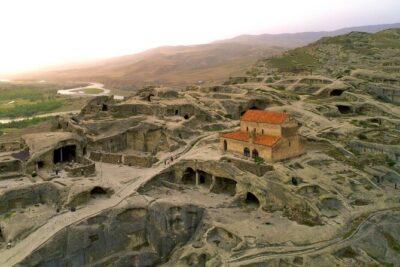
Uplistsikhe is where the day shifts from walls to stone carving. It’s a cave town, and archaeologists identify it as one of the oldest urban settlements in Georgia. The name is tied to the idea of a fortress of the lord, which matches the way the town is organized like a defensible settlement rather than a random cluster of caves.
You’ll spend about 1 hour here, which is usually the right amount for exploring key sections, understanding how spaces connect, and taking in the setting without burning your whole afternoon.
The history goes very deep in time. The settlement history is traced back to the 2nd–1st millenniums B.C. In antiquity, Uplistsikhe was an important center of Kartli (also known by the Classical name Iberia), and in the Middle Ages it sat on an important trade route linking Byzantium with regions further east. That trade-route detail changes how you picture the caves: this wasn’t just people hiding from danger; it was also a place with influence and connections.
Admission for Uplistsikhe isn’t included, so expect to pay at the site. Since it’s a cave town, you might want to dress practically—comfortable shoes help a lot for uneven rock paths and stairs, even if you’re not doing a long hike.
Pacing and comfort: how to make a long day feel easier
A 10-hour itinerary can go one of two ways: either it feels smooth, or you start counting the minutes. This route is structured to keep you moving, with short visits at the major monuments and longer time at the more complex site (Uplistsikhe) and the museum (Stalin Museum).
What helps most is planning your energy. Wear layers you can adjust when you move between churches, fortress viewpoints, and the cooler stone of cave areas. Bring water—bottled water is included, but carrying a small extra snack can save you if lunch timing gets pushed.
Also, treat your food like a strategy. Lunch isn’t included, and no time is written as a full sit-down meal block, so I recommend you either eat something light you can handle quickly or plan on a longer meal after the last stop.
Who this tour fits best (and who might want something else)
This is a great choice if you want a guided sampler of Georgia’s big names without driving. I’d put it at the top of the list for people who like religious history, architecture with a setting (hilltops and cathedrals), and a strong sense of time depth—from early Christianity to Soviet memory to ancient rock settlement.
It’s also a smart option if you’re traveling with limited time in Tbilisi. Three major stops means fewer wasted hours, and a guide helps you avoid the “I’m here, now what” feeling.
If you’re the type who wants to linger 45–60 minutes per monument and read every sign slowly, you may find the schedule a bit tight. The time per stop is designed for coverage, not slow tourism.
Should you book this Mtskheta–Gori–Uplistsikhe day trip?
I’d book it if you want the highlights of eastern Georgia in one organized push, with a guide who ties legends and landmarks together. The value is strongest when you use the included parts well—pickup, air-conditioned comfort, bottled water, and the guided explanation—then budget separately for Stalin Museum and Uplistsikhe entry plus lunch.
I’d think twice only if you hate long days or you want deep, unhurried time at each site. Also, if you’re going into the Stalin Museum with limited language support, plan how you’ll understand the labels, because that stop is more rewarding when you can read what you’re seeing.
If you’re aiming for an efficient “see the classics” day with a mix of faith, fortifications, and ancient stone life, this tour is an easy yes.
FAQ
How long is the one-day tour?
It runs for about 10 hours.
What stops are included on the route?
You’ll visit Jvari Monastery, Svetitskhoveli Cathedral, Gori Fortress, the Stalin Museum in Gori, and Uplistsikhe Cave Town.
Is pickup from Tbilisi included?
Pickup is offered, and the tour includes transport by air-conditioned vehicle.
Is the tour ticket mobile?
Yes, you’ll receive a mobile ticket.
Are entrance fees included for every site?
Admission is free for Jvari Monastery, Svetitskhoveli Cathedral, and Gori Fortress. Admission is not included for the Stalin Museum and Uplistsikhe.
Is lunch included?
No, lunch isn’t included.
How much time do you spend at each main stop?
Jvari is about 20 minutes, Svetitskhoveli about 30 minutes, Gori Fortress about 30 minutes, the Stalin Museum about 45 minutes, and Uplistsikhe about 1 hour.
What’s the group size limit?
The maximum group size is 20 travelers.
Is there a chance the tour gets canceled?
Yes. The experience requires a minimum number of travelers, and if it doesn’t meet that minimum, it may be canceled.
What’s the cancellation policy?
You can cancel for a full refund up to 24 hours before the experience’s start time. If you cancel less than 24 hours in advance, the amount paid isn’t refunded.
More from Our Tbilisi Review Desk



More Gori and Uplistsikhe Cave-Town Days
More Mtskheta and Jvari UNESCO Runs

Not quite your thing? More Tbilisi tours and day trips from our review desk








Mtskheta & Jvari UNESCO Trips, compared.
 ★ 5.0Day Trip to Mtskheta Gori and UplistsikheFrom $291,801 reviews
 ★ 5.0Mtskheta,Jvari,Bazaar,wine tasting,Chronicles of GeorgiaFrom $20730 reviews
 ★ 5.0Mtskheta-Gori-UplistsikheFrom $90112 reviews
 ★ 4.5Mtskheta, Jvari, gori, uflistsikhe, history and panorama (group tours)From $19107 reviews
 ★ 5.0Mtskheta-Jvari-Uplistsike-Chronicle of Georgia, PRIVATE TripFrom $68105 reviews
 ★ 4.5Tbilisi – Mtskheta – Jvari. Full City Tour on Hop On Hop Off BusFrom $4091 reviews
 ★ 4.5Ancient Georgia Group Tour: Mtskheta,Jvari, Gori, UplistsikheFrom $2473 reviews
 ★ 5.0Ancient Mtskheta and Chronicle of Georgia half day tourFrom $6566 reviews
Browse the lists this tour appears in