
Reviewed · 7-DAY EXPERIENCES
Georgian Essence: Cultural Immersion in a week
Georgia hits hard with views and stories.
This private 8-day run through Tbilisi, Kakheti, the Caucasus Mountains, and the Black Sea mixes big sights with real food stops, from shotis puri bread to wine-country towns. I especially like the balance of faith sites (David Gareja, Bodbe, Gelati) with human-scale moments (a village bread-and-cheese stop and a cooking lunch with a local family). One thing to consider: the schedule is packed with driving time between regions, so you’ll want to enjoy early starts and long days rather than expecting a slow pace.
What makes it work is the people. In the feedback, the guide Irakli shows up again and again for being supportive, warm, and detail-minded, even helping from the airport to trip end.
The biggest practical drawback is the weather factor: the experience notes good weather is required, and that can affect plans.
In This Review
- Key Highlights You’ll Care About
- A Private Week That Feels Like Georgia, Not a Checklist
- Day 1: David Gareja to Signagi—Desert Monasteries and Love-Letter Streets
- Day 2: Qvevri Craft, Kvetera Church, and Shatili’s Fortress World
- Day 3: Ananuri Towers, a Friendship Monument, and the Iconic Gergeti Church
- Day 4: Jvari and Svetitskhoveli—Georgia’s Early Christianity and a Cave Town
- Day 5: Dashbashi Canyon and Vardzia—Cliffs, Bridges, and a Cave City
- Day 6: Goderdzi Pass and Batumi—Mountain Air to Black Sea Energy
- Day 7: Dendrological Park to Prometheus Cave, Then Kutaisi’s UNESCO Hits
- Day 8: Gelati, Motsameta, Katskhi Pillar, and a Last Taste of Georgia
- Price and Logistics: What $2,200 Buys You
- Weather and the Real-Life Pace You Should Expect
- Who This Trip Fits Best
- Final Decision: Should You Book Georgian Essence?
- FAQ
- How many days is Georgian Essence: Cultural Immersion in a week?
- Is this a private tour?
- Is pickup offered?
- What’s included in the price?
- What locations does the tour cover?
- Does the tour require good weather?
- Do I get a mobile ticket?
- Can most travelers participate?
- What is the cancellation policy?
Key Highlights You’ll Care About
- Private pace with private transportation across Georgia, so you’re not stuck waiting on other groups.
- Kakheti flavor stops, including fresh village bread (shotis puri) and aged cheese in Badiauri.
- UNESCO-grade sites plus “wow” geography, from David Gareja to Vardzia and Prometheus Cave.
- A Black Sea segment in Batumi, with both city strolling and nearby nature stops.
- A guide who adds context, especially with names like Irakli repeated for history, food, and planning help.
A Private Week That Feels Like Georgia, Not a Checklist
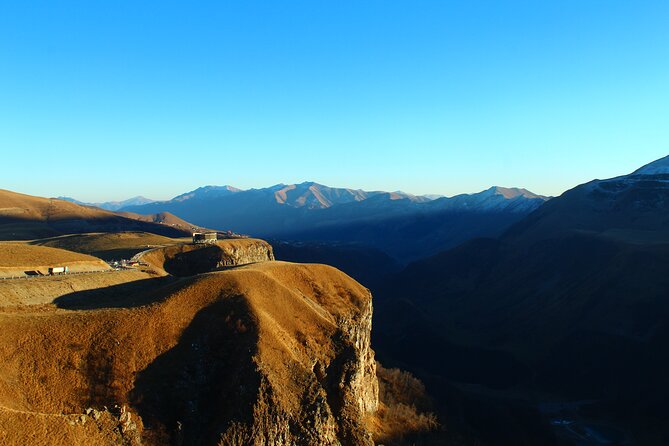
This is the kind of trip where “private” really matters. You get your own group, your own guide-driver, and transportation built around your day—so you can spend time where you care most, rather than rushing through everything just to catch the next bus. You also stay in hand-picked hotels with breakfast and lunches that focus on Georgian food.
The cultural side is the backbone. You’ll see monasteries, churches, and ancient sites that explain how Georgia became Georgia—religion, art, and local identity all tied together. And you get grounded with food: bread and cheese in a working village, wine country craft, and a cooking class lunch in Mtskheta where you make what you eat.
A few more Tbilisi tours and Georgian day trips worth a look
Day 1: David Gareja to Signagi—Desert Monasteries and Love-Letter Streets
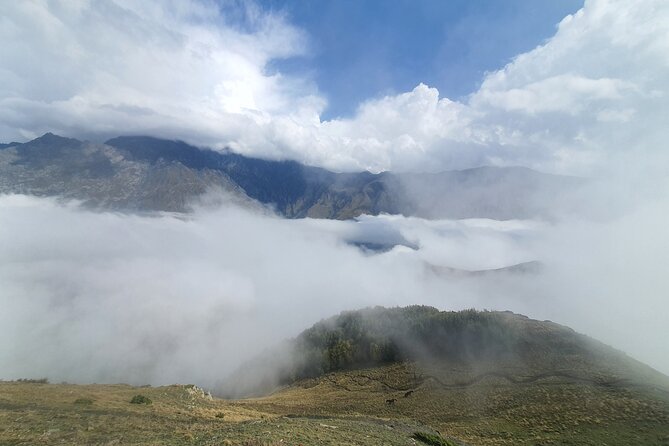
Day 1 starts at David Gareja Monastery, a rock-hewn complex on the border area that stretches across rugged terrain. It’s a place of caves, churches, and monastery history that goes back centuries, plus the kind of interior art (frescoes and preserved manuscripts) that makes the site more than a photo stop. The special feeling here is the isolation—wind, stone, and that long sense of time.
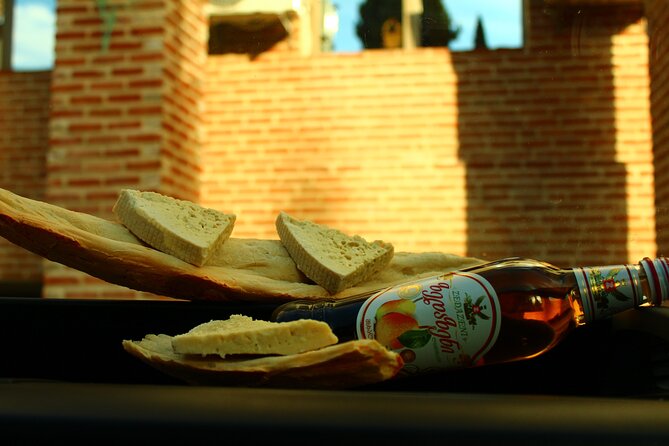
Then you shift to something deliciously practical: Badiauri for shotis puri and aged cheese. This isn’t a museum meal. You’re meant to taste the bread baked in clay ovens and pair it with cheese made using traditional methods. Even with only a short stop, it gives you a taste of everyday Georgian life.
After that you head to Bodbe Monastery of St. Nino, a pilgrimage site tied to the legend of Saint Nino bringing Christianity to Georgia. If you like places where quiet matters, this is one of the calmer stops on the route, with scenic surroundings and the chance to feel the spiritual mood of a long-running pilgrimage.
Next comes Signagi, the “City of Love” in Kakheti. The town sits high above the Alazani Valley, so you’re built for panoramas—vineyards and mountain views in one direction, cobblestone streets and balconies in the other. It’s a great evening-town stop for strolling and browsing small shops, with historic architecture that feels made for slow wandering.
You finish the day in Telavi, Kakheti’s administrative hub, known for vineyards and winemaking. You’ll have time to see landmarks like Batonis Tsikhe (Castle of the King) and the restored Palace of King Erekle II, plus the local bazaar atmosphere. This is a good “transition day”: religious sites, then wine country, then town life.
Day 2: Qvevri Craft, Kvetera Church, and Shatili’s Fortress World
Day 2 is where Georgian craft and regional identity show up fast. First, Vardisubani includes a visit with a qvevri maker, so you can see how artisans shape the clay vessels that are central to traditional Georgian winemaking. If you care about food culture, this is one of the most valuable parts of the trip because it connects wine to hands-on tradition, not just tasting.
Then you visit Kvetera Fortress and Church, described as dating back to the 10th century, with Georgian ecclesiastical architecture and stone carvings. Sites like this are a reminder that Georgia’s Christian art isn’t only famous cathedral-size monuments—there are smaller places with real detail too.
From there the trip gets more rugged with Shatili Medieval Fortress Village in Khevsureti. This UNESCO World Heritage Site is known for defensive towers and stone houses in a remote mountain setting. It’s not a casual stop; the point is to see how people lived in a hard terrain, built for defense and survival.
One consideration for this day: mountain areas can feel slow-moving when roads and viewpoints take time. If you like “slow scenery” and photos from multiple angles, you’ll enjoy it.
Day 3: Ananuri Towers, a Friendship Monument, and the Iconic Gergeti Church
Day 3 starts at Ananuri Fortified Castle Ensemble in the Aragvi River Valley. The fortress complex has that classic Georgian mix of fortified walls and religious-influenced decoration. It also gives you practical value: you can climb towers, walk the complex, and get dramatic views without needing any special hiking gear.
Then you stop at the Russian Georgian Friendship Monument in the mountains. It’s a product of the 1980s and connected to the Treaty of Georgievsk bicentennial. Even if you don’t care about the politics, the mosaics and panoramic mountain views give you a different kind of “history in public art.”
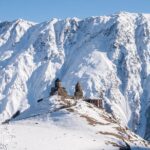
The day’s signature is Gergeti Trinity Church, perched high with huge views around it. The church is from the 14th century and is one of those Georgia icons that always looks good in any weather. Practical note: because it’s elevated, you’ll want layers and comfortable shoes.
Day 4: Jvari and Svetitskhoveli—Georgia’s Early Christianity and a Cave Town
Day 4 begins near Mtskheta at Jvari Church, a UNESCO World Heritage Site on a hill. It’s tied to early Christianity and traditions around Saint Nino, which helps the site make sense as more than architecture. You also get sweeping views over the area, and inside you can see frescoes.
Next is the Stalin Museum in Gori, housed in the birthplace home of Joseph Stalin. This is a politically sensitive stop, so go in with a mindset of context and interpretation rather than expecting a straightforward “heritage” experience. The museum is built around personal items, documents, and photographs, plus historical context for the Soviet era.
Then you head to Uplistsiche Cave Town, an ancient rock-hewn settlement with cave dwellings, churches, and stair-like access through rock-cut paths. It’s a great site if you like archaeology that still feels tactile: rock, caves, and carved structures you can picture being lived in.
Back in Mtskheta, you visit Svetitskhoveli Cathedral, a major medieval monument and pilgrimage site with complex architecture and religious significance. The cathedral is described as having deep meaning for Georgia’s kings and as a place of devotion for centuries.
You then shift from monuments to making food: a cooking class and lunch with a local family in Mtskheta. The hands-on focus is on Georgian dishes—especially khinkali—and the value here is learning the rhythm of the cuisine from people who actually cook it.
Finally, you wrap the day with Chronicles of Georgia in Tbilisi, a large sculptural ensemble by Zurab Tsereteli. It’s a long-form visual story of Georgian history, and it’s one of those places where walking slowly helps you notice more detail in the figures and scenes.


Day 5: Dashbashi Canyon and Vardzia—Cliffs, Bridges, and a Cave City
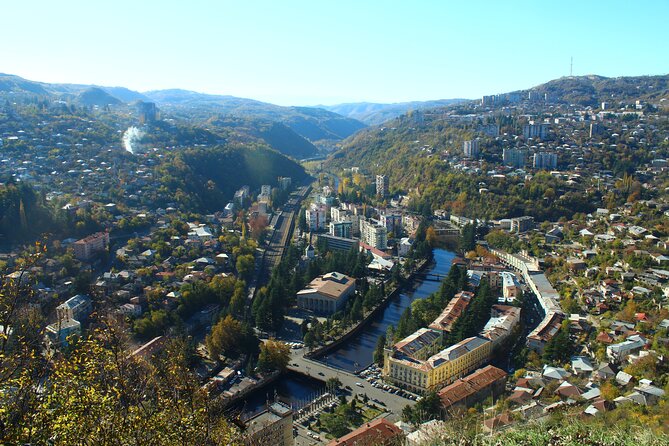
Day 5 is all about geology and big imagination. First is Dashbashi Canyon, known for the Diamond Bridge. It’s a short time commitment with a high wow factor because the bridge spans the canyon and places you in the middle of cliff views and river lines below.
Next comes Vardzia, a 12th-century cave monastery carved into a cliff. This one is famous for the reason that matters: it’s a whole complex of chambers, chapels, and frescoed spaces cut into rock. You move through a labyrinth, so the site feels like a small city rather than a single room.
Then you finish with Rabati Castle in Akhaltsikhe, a fortress with layers of history and style—medieval, Ottoman, and European influences. Inside the grounds you can see multiple structures, including a museum and religious buildings, which makes the castle feel like a mini-world of past eras.
If you’re sensitive to lots of walking on uneven stone, wear shoes you trust for the stairs and rock paths.
Day 6: Goderdzi Pass and Batumi—Mountain Air to Black Sea Energy
Day 6 starts with Goderdzi Pass, a scenic mountain pass around 2,025 meters. The appeal is straightforward: big mountain views, forests, and valleys, with the option for hiking in good conditions. It’s also a seasonal place because winter can bring skiing, while summer gives alpine meadow scenery.
Then you head to Makhuntseti Waterwall and King Tamar’s Bridge in Adjara. This is a softer, nature-and-history combo—mossy rocks, waterfall sound, and a historic bridge that adds a human timeline to the scenery.
Finally, you reach Batumi, Georgia’s Black Sea city. You’ll have time for the Boulevard area and the Old Town with cobblestone streets, plus cultural stops like theaters, museums, and art galleries. Batumi is a city mix: modern skyline alongside traditional Georgian textures.
Practical note: going from mountain elevations to sea-level city life can shift temperatures. Keep layers in your bag even in warm months.
Day 7: Dendrological Park to Prometheus Cave, Then Kutaisi’s UNESCO Hits
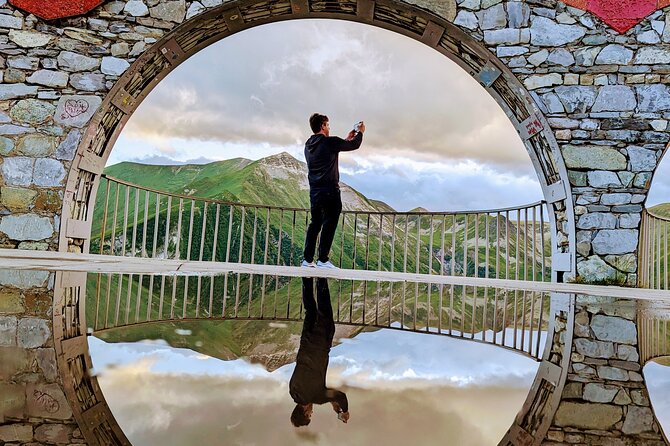
Day 7 begins in Batumi at Shekvetili Dendrological Park, described as spanning over 100 hectares with plant species from around the world. If you want a break from stone and churches, this is a breathing stop—shade, ponds, gazebos, and walking paths with viewpoints.
Then it’s back to “nature with action” at Martvili Canyon, where you can ride a boat along turquoise waters through gorges with cascading waterfalls. This kind of stop is hard to replace because the views are different from just walking trails.
After that, you go underground at Prometheus Cave in Imereti. The cave features stalactites, stalagmites, and underground rivers with lighting that gives it a theatrical, other-world feel. It’s one of those days where the route balances physical sightseeing with a change of environment.
In Kutaisi, you visit Bagrati Cathedral, a UNESCO World Heritage Site from the 11th century. Restoration work is part of its current story, but the architectural impact is still there, with panoramic hilltop views too.
You end with Kutaisi town time, a city with deep roots and a mix of cafés, markets, and local shops—plus the idea that you can connect it to nearby sites like Prometheus Cave.
Day 8: Gelati, Motsameta, Katskhi Pillar, and a Last Taste of Georgia
The final day is a string of spiritual and unusual landmarks near Kutaisi. You start with Gelati Monastery, another UNESCO World Heritage Site founded in the 12th century by King David the Builder. The focus is frescoes and Byzantine-inspired artwork, plus a sense of the site as a learning center through its academy building.
Then you visit Motsameta Monastery, perched on a rocky cliff with Rioni River views below. This stop is built around tranquility and candle-light prayer, tied to the martyrdom story of two brothers. It’s the kind of place where you’ll slow down without forcing it.
Next is the standout oddball: Katskhi Pillar, a limestone monolith with a small monastery on top. Access is by a narrow ladder, so it’s not a casual “look only” visit. If you like your last day to include something physically memorable, this is it.
You then visit Chiatura, a historic mining town known for its cable cars, locally called rope roads. The value here is engineering in daily use history: you glide over valleys and cliffs, then you can explore Soviet-era architecture and a museum about the cable cars.
Finally, you end at Mgvimevi Monastery, carved into rocky cliffs in central Georgia. It’s remote and quiet, with cave-like chapels and religious artifacts, designed for contemplation more than big crowds.
Price and Logistics: What $2,200 Buys You
At $2,200 per person, you’re paying for privacy, transportation, and a guided route packed with major sites across several regions. For a lot of people, that’s the point: you don’t want to coordinate drivers, ticket lines, and long-distance logistics on your own for an 8-day cross-country arc.
The trip also signals value in the way it’s structured. Some admission tickets are included for key sites, while others are free, which suggests the operator is organizing costs into the day. You also get a mobile ticket, and you’re offered pickup, which matters a lot when you’re arriving in Tbilisi and want your first day to start clean.
One more “value lever” is hotels plus meals. Staying in hand-picked properties with breakfast and lunches included reduces the number of decisions you have to make mid-trip. It’s easier to keep your energy for monuments when food is planned.
If you’re traveling solo and want a private guide, this price can feel reasonable compared with cobbling together separate drivers and tours. If you’re budget-focused and happy with public transport, it may feel steep—this is designed for comfort and time-saving.
Weather and the Real-Life Pace You Should Expect
This experience requires good weather, and that’s not a small note. Several parts of the route rely on outdoor viewpoints and scenic areas, and cave or monument sites can also feel less enjoyable in bad conditions.
Even on a good-weather week, your day includes driving between regions. You’ll get stops, photos, and walks, but you won’t have the freedom to drop half the route without consequences. Plan for the mindset of a guided road trip: flexible, comfortable shoes, and patience for mountain roads.
Who This Trip Fits Best
This tour makes the most sense if you want:
- A private guide-driver who helps connect what you see to why it matters.
- A mix of monastery stops, cave towns, and scenic geography without spending hours coordinating.
- Food experiences beyond tasting, like the Mtskheta cooking class and the bread-and-cheese village moment.
It might be less ideal if you want lots of beach-only time, slow mornings every day, or a trip with almost no driving. Also, some sites involve steps, ladders (Katskhi Pillar), and uneven rock-cut areas (Uplistsiche and cave complexes), so come prepared.
Final Decision: Should You Book Georgian Essence?
I’d book this if you’re craving a guided “Georgia in a week” that includes major spiritual sites, UNESCO-caliber cave and fortress locations, and a clear swing from mountains to the Black Sea. The best reason is the combination of private logistics plus moments that feel lived-in—bread ovens, local cooking, and a guide who’s known for making the day feel human rather than mechanical.
I’d hesitate if your priority is downtime above all else, or if weather worries you. Also, double-check your comfort with ladder access and lots of walking on rock and stone.
If you want Georgia with structure but not stiffness, this tour is built for you.
FAQ
How many days is Georgian Essence: Cultural Immersion in a week?
It’s listed as an 8-day private tour in and around Tbilisi, Georgia.
Is this a private tour?
Yes. It’s a private tour/activity, and only your group will participate.
Is pickup offered?
Pickup is offered.
What’s included in the price?
The tour is priced at $2,200.00 per person. The schedule notes that admission tickets are included for some stops and free for others, and it also mentions hand-picked hotels plus breakfast and lunches featuring Georgian cuisine.
What locations does the tour cover?
The trip is based around Tbilisi, then includes Kakheti (Signagi, Telavi, Vardisubani), the Caucasus area (including Gergeti), Mtskheta and Gori, cave and fortress sites like Vardzia and Uplistsikhe, plus Batumi and the Kutaisi region.
Does the tour require good weather?
Yes. The experience requires good weather, and if it’s canceled due to poor weather, you’ll be offered a different date or a full refund.
Do I get a mobile ticket?
Yes. A mobile ticket is included.
Can most travelers participate?
Yes. The listing says most travelers can participate.
What is the cancellation policy?
You can cancel for free up to 24 hours in advance for a full refund. Within 24 hours, the amount paid is not refunded.
More 7-Day Experiences in Tbilisi
More from Our Tbilisi Review Desk
Not quite your thing? More Tbilisi tours and day trips from our review desk


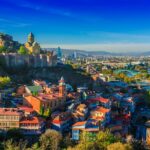
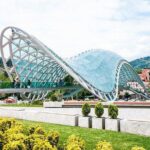
7-Day Experiences, compared.
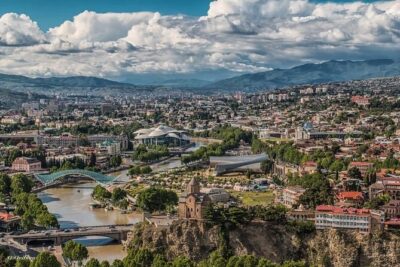 ★ 5.0Private 7-Day Tours & Transfers from Tbilisi to Top Georgia SpotsFrom $70023 reviews
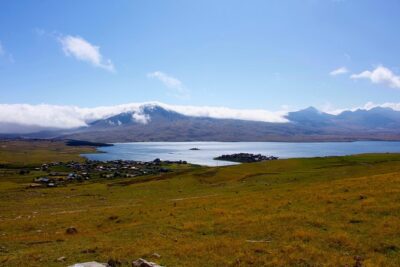 ★ 5.0The Best of Georgia 7 Days Private Jeep Tour from TbilisiFrom $1,19919 reviews
 ★ 5.0Amazing All inclusive Tour for 7 Days From TbilisiFrom $75316 reviews
 ★ 5.0Georgia in 7 Days: A Haven for Nature and Sea LoversFrom $65915 reviews
 ★ 5.07-Day Georgian Highlights Tour from TbilisiFrom $1,2039 reviews
 ★ 5.07-Day Georgian Wine and Culinary Private Tour with Cooking ClassFrom $7845 reviews
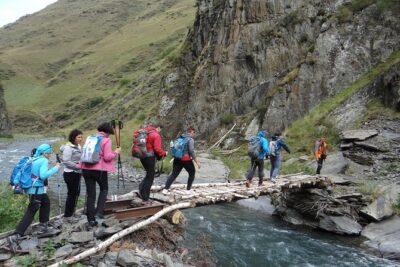 ★ 4.57-day hiking expedition to Tusheti through the Atsunta passFrom $1,1903 reviews
Browse the lists this tour appears in