
Reviewed · TUSHETI & KHEVSURETI WILDERNESS HIKES
7-day hiking expedition to Tusheti through the Atsunta pass
Your phone disappears for days, and that is the point. I love the real remoteness here: two days with no mobile communications and no villages, plus two nights sleeping in tents. I also love the practical planning—reliable vehicles, horses to help carry gear, and meals that keep you fueled. The only real drawback is that the Atsunta Pass push is tough, with steep altitude and a long, physical day.
This route strings together medieval stone towns, abandoned sites, and long river-and-mountain walks, then drops you back into civilization in stages. You’ll start in Shatili, pass through high mountain passes with picnic breaks, and finish with Tusheti’s big base in Omalo and a grand get-off-the-mountains day heading toward Kakheti.
Expect a small group (max 10), a clear plan day by day, and full safety focus from the operator ExpedBuro. You do need moderate fitness and you should be ready for rough weather and dust on road sections.
In This Review
- Key things I’d circle on your plan
- Why the Atsunta-to-Tusheti route feels genuinely remote
- Price and what $1,190 buys you (and what it doesn’t)
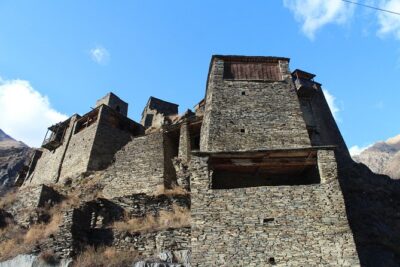
- Getting started in Shatili: Bear Cross pass picnic and a medieval evening
- Ardoti and the road-ending jeep ride: border formalities and tent nights
- Atsunta Pass at 3,431 m: the hardest day, and why it’s worth it
- Down along the Pirikiti Alazani river: 20 km to Girevi and the stone-city detour
- Dartlo and Kvavlo: easy hours, big village character, and a traditional stone house night
- Omalo basecamp plus horse riding: Shenako and Diklo in Tusheti
- Leaving Tusheti: Abano Pass, Kakheti lunch, and a return to Tbilisi
- Service, safety, and the logistics that make remote hiking actually work
- What to pack and how to prep your body
- Should you book this Atsunta Pass to Tusheti trek?
- FAQ
- How long is the trekking expedition?
- What does the tour cost?
- Do I get pickup from Tbilisi?
- Is mobile communication available during the trek?
- How many nights will I sleep in a tent?
- Are horses provided for carrying gear?
- What camping/sleeping equipment is included?
- Will we hike to Atsunta Pass?
- Is a passport required?
- What meals are included, and what drinks are not?
Key things I’d circle on your plan
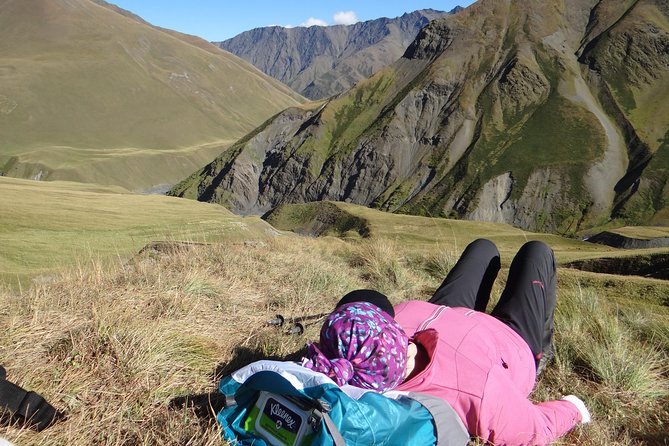
- Two days with zero mobile signal and no villages: you’ll feel the remoteness fast.
- Horses for stuff carrying: your pack weight matters less than on many DIY-style treks.
- Atsunta Pass at 3,431 m: the big climb is the day you remember.
- Shatili’s medieval stone town: not just a stop, a whole walkable evening.
- Stone-house night in Dartlo/Kvavlo area: local lodging style, not a standard hotel setup.
- Small group size (up to 10): easier pacing and less chaos around camp and meals.
Why the Atsunta-to-Tusheti route feels genuinely remote
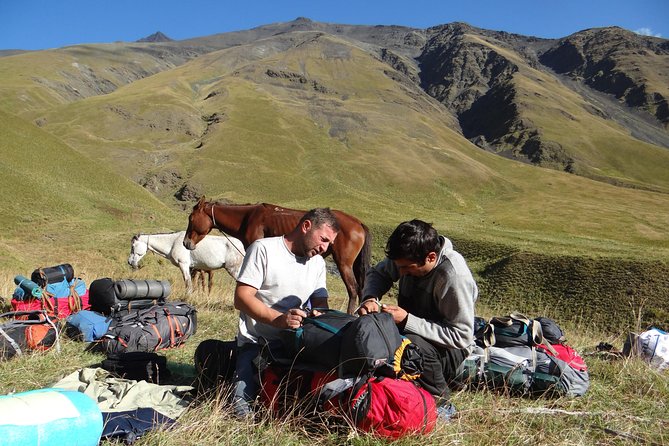
Tusheti is not a “drive to a viewpoint” kind of place. This trek is built around time spent away from villages and roads, including two days where mobile communication is simply gone. That matters because it changes how you travel. You’ll move slower, notice weather and terrain more, and sleep like you actually earned it.
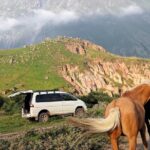
The plan also gives you structure without killing the adventure. You’re not wandering with no support: there are scheduled drives (in 4×4 jeeps), set hiking days, tent nights, and food every day. So you get the wild feeling, but with an operator who has done this for years.
More Tusheti and Khevsureti wilderness hikes we have walked from Tbilisi
Price and what $1,190 buys you (and what it doesn’t)
At $1,190 per person for 7 days, you’re paying for far more than hiking. This price covers the big cost drivers in this region: multiple 4×4 transfers, guided support and logistics, full meal service (breakfast, lunch, dinner, plus snacks), and the camping setup.
Included gear is especially important here: you get a waterproof duffel bag, tent, sleeping pad, and sleeping bag. That can save you money and hassle, since you don’t have to source gear that may or may not fit well.
What is not included is also clear. Alcohol like beer, wine, and chacha at guesthouses is on you. If you’re the type who wants to keep spending predictable, you’ll probably budget a small amount for that.
Getting started in Shatili: Bear Cross pass picnic and a medieval evening
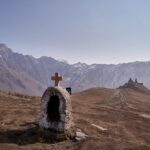
Day one begins with a straightforward pickup: you meet at the office and board a minivan at 9:00 AM. The ride is about 5 hours (around 150 km), with stops in scenic spots along the way, including Bear Cross pass (2,676 m) where you have a picnic.
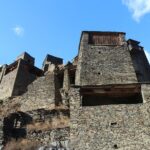
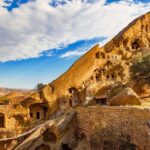
When you reach Shatili, you’re not just checking a box. After you settle into the guest house, you have time to walk around the medieval stone settlement and take photos at your own pace. Dinner is traditional and prepared by the guest house owners, which usually means you’ll eat something hearty and local rather than a bland set menu.
My practical take: Shatili is a good way to get your bearings before the harder hiking begins. The stones, the alleys, and the views make it easy to understand why people keep coming back.
Ardoti and the road-ending jeep ride: border formalities and tent nights
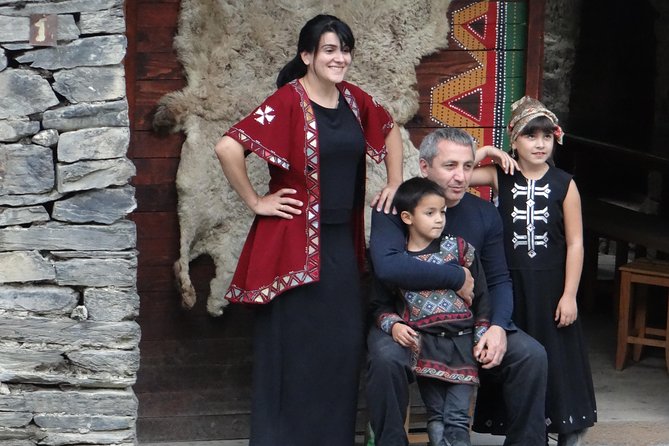
The second day starts with breakfast, then you switch to jeeps. This is where the road truly starts to give up, and you drive to Ardoti, described as the place where the road ends.
On the way, there’s a stop in Anatori and an abandoned medieval city called Mutso. One detail you should know early: you present your passports to Georgia’s border guards, and the formalities take about 20 minutes. Plan your morning routine around that. Keep your passport easy to reach, not buried at the bottom of a day bag.
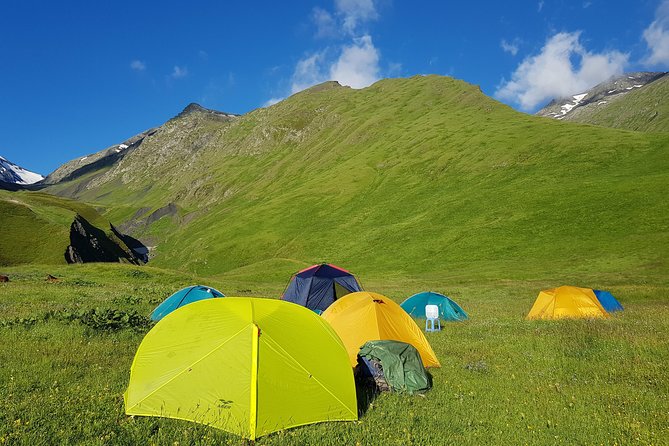
After the picnic, you start the trekking. The hike is about 4 hours to reach camp. Once there, you put up tents and wait for dinner.
Why this day matters: it’s your transition day—part culture, part preparation, part “this is where the trek actually begins.” You’ll feel the pace shift as you get closer to the high pass terrain.
Atsunta Pass at 3,431 m: the hardest day, and why it’s worth it
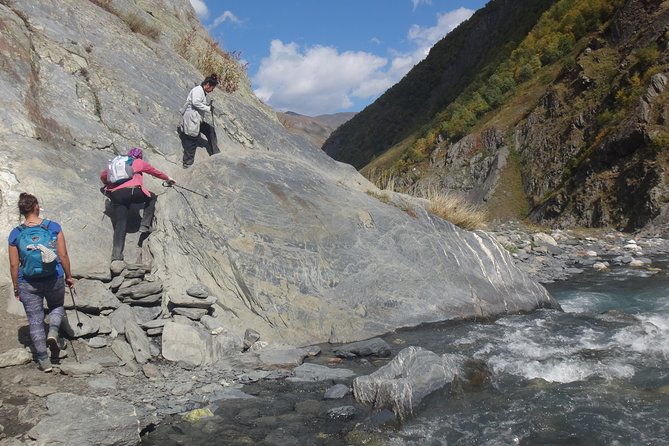
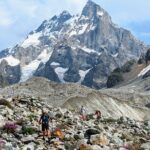
Day three is the day with the big name: Atsunta Pass, 3,431 meters. This pass divides Khevsureti and Tusheti, so it’s not just a number on a map. It’s the kind of crossing that changes the rhythm of the whole trip: steeper, more demanding, and more about breathing and foot placement than about sightseeing stops.
The hike time listed for the day is about 1 hour, but don’t read that as easy. High passes are short on paper and long on effort. Even if the route segment is compact, altitude and weather can make it feel serious.
If you’re considering this tour: be honest about your hiking comfort. Moderate fitness is requested, but Atsunta Pass is the proof point. If altitude pushes you or you get discouraged when the trail steepens, this day will test you.
More Caucasus hikes and treks we have laced up for near Tbilisi
Down along the Pirikiti Alazani river: 20 km to Girevi and the stone-city detour
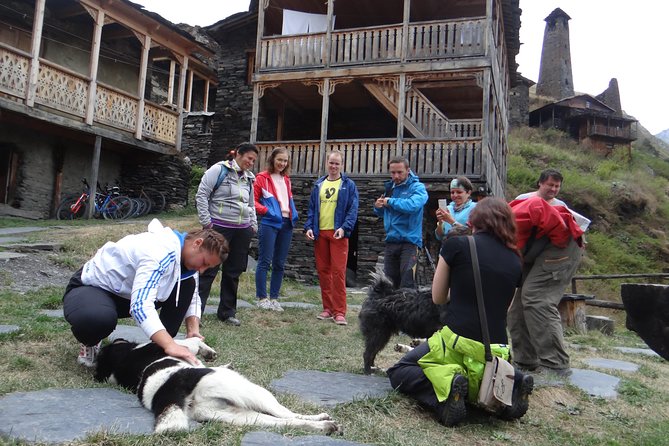
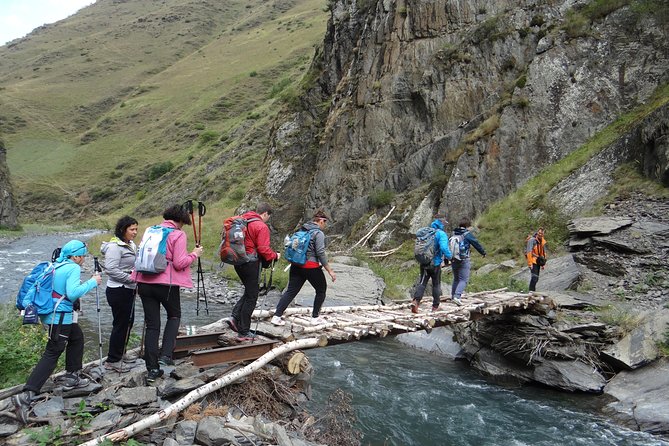
Day four leans into distance and a calmer trail feel. The route goes down along the Pirikiti Alazani river. You’ll hike a long stretch (around 20 km), and the path includes shepherd’s houses and another abandoned stone city called Chontio.
Then you reach Girevi village, which brings you back to people and guest houses. This is the day where the trek reintroduces a bit of civilization—enough that you can sleep under sturdier walls and get a break from tent living.
The trade-off: you’ll cover ground, and “simple” can still mean tiring. The benefit is that river-side hiking tends to let you settle into a steady rhythm, especially if you keep your pace conservative.
Dartlo and Kvavlo: easy hours, big village character, and a traditional stone house night
Day five is described as an easier day: about four hours along a jeep road. By lunchtime you arrive in Dartlo, a unique settlement linked to UNESCO World Heritage inclusion (the tour notes it as a place that claims to be on the World Heritage List).
After lunch, you hike uphill to Kvavlo village. You’ll spend the night in a stone house built in the local tradition.
This is the kind of day that works well for mixed groups. You still get movement and views, but you’re not fighting a long technical trail all afternoon. The stone house night also gives you that “this is how people actually build here” experience without requiring you to rough it in a tent.
Omalo basecamp plus horse riding: Shenako and Diklo in Tusheti
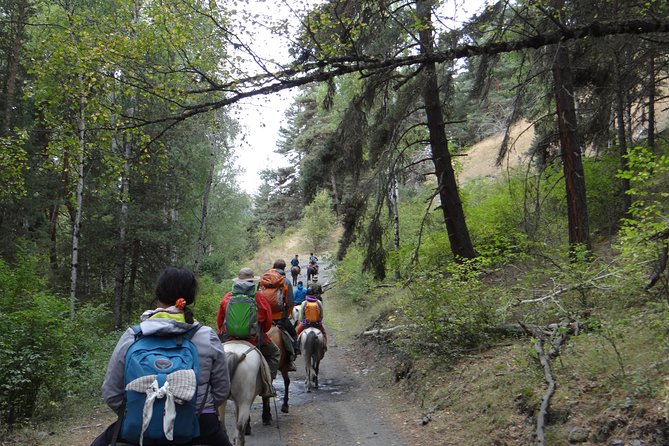
On day six, you drive to Omalo, the largest village in Tusheti. You leave your stuff at the guest house, then switch gears: you go for horse riding.
You’ll visit Shenako and Diklo (and return to Omalo for dinner). A highlight from past trips is the church setting in Shenako—specifically the Church of the Holy Trinity—so if religious architecture in mountain villages matters to you, this is one of the stops to pay attention to.
Practical note: horse riding changes your perspective. Even at a slower pace, you’ll see the valley differently than you do from footpaths. It’s also a nice change from the repeated climbing and descending rhythm of the trek days.
Leaving Tusheti: Abano Pass, Kakheti lunch, and a return to Tbilisi
The final day mixes comfort and adventure one last time. You cover 60 km of unpaved road and then handle the long drive out via the Abano Pass, described as the highest automobile pass in Europe. That’s a key detail: this isn’t just a road transfer, it’s a scenic high-point finale.
At Alvani, you swap jeeps for a comfortable bus. Then it’s on to a winery in Kakheti, where you get a festive lunch before arriving in Tbilisi around 5 PM.
Why this matters for your trip: after 7 days of stairs, stones, and mountain air, you don’t want to spend the last afternoon wrestling with logistics. This ending day is designed to reduce that stress.
Service, safety, and the logistics that make remote hiking actually work
The tour emphasizes good service: reliable cars, tasty and healthy food, horses for stuff carrying, and a full safety focus. In practice, that means you’re not doing the usual “hope everything works out” thing.
A small but telling detail from prior participants: they singled out a guide named Stanislav for careful attention and steady support. That matches what you need most on a route like this—someone who can read weather and keep the group moving safely, especially when trails get demanding.
Also, with a maximum of 10 travelers, you’re less likely to get stretched out. That helps in places where the trail is narrow or the day’s timing depends on the next camp setup.
What to pack and how to prep your body
The tour provides sleeping gear and a waterproof duffel bag, so you can travel lighter than you would for a “bring everything yourself” trek. You’ll still want smart day-hiking clothing, and you should treat weather as a real factor. Mountain passes can change quickly.
On physical readiness: the tour asks for moderate physical fitness. That’s believable, but the Atsunta Pass day is your stress test. If you can hike for hours with elevation gains and you’re comfortable with steep sections, you’ll handle it better.
Two days also feature no mobile communications. That’s not scary, but it does mean you should plan mentally: charge what you can before the quiet stretch, and then let the mountains be the plan.
Should you book this Atsunta Pass to Tusheti trek?
If you want a real mountain expedition feel—two days without signal, tent nights, and a serious high pass—then this tour fits well. The included food, equipment, and transport reduce the uncertainty that usually ruins remote trips.
I’d skip it if you want easy walking, lots of phone time, or a totally gentle itinerary. The Atsunta Pass day is hard by nature, and long road segments are part of the deal.
If you’re the kind of traveler who likes medieval stone towns in the evening and clean mountain air by morning, and you’re ready to earn your views, this is a strong value for what’s included. Just be honest about your hiking comfort—and enjoy the fact that the trip gives you a break from your normal routine of constant connection.
FAQ
How long is the trekking expedition?
It runs for 7 days (approx.).
What does the tour cost?
The price is $1,190.00 per person.
Do I get pickup from Tbilisi?
Yes. A minivan is ready to pick you up at the office at 9:00 AM.
Is mobile communication available during the trek?
No. The tour states that two days will have no mobile communications.
How many nights will I sleep in a tent?
You will spend two nights in a tent.
Are horses provided for carrying gear?
Yes. Horses are included to help carry stuff.
What camping/sleeping equipment is included?
You receive a waterproof duffel bag, tent, sleeping pad, and sleeping bag.
Will we hike to Atsunta Pass?
Yes. The route includes Atsunta Pass, which is 3,431 m.
Is a passport required?
Yes. You will present your passports to border guards of Georgia, and the formalities take about 20 minutes.
What meals are included, and what drinks are not?
Breakfast, lunch, dinner, and snacks are included. Beer, wine, and chacha at guesthouses are not included.
More Caucasus Hikes and Treks near Tbilisi
More from Our Tbilisi Review Desk

More Tusheti and Khevsureti Wilderness Hikes
Not quite your thing? More Tbilisi tours and day trips from our review desk





Tusheti & Khevsureti Wilderness Hikes, compared.
 ★ 5.03 Day Tusheti Tour Explore Unspoiled WildernessFrom $33528 reviews
 ★ 5.0day trip to Shatili, Khevsureti, Mutso, Ananuri.From $15021 reviews
 ★ 5.0Five days tour to Khevsureti (Abudelauri lakes) & Kazbegi with hikes.From $10014 reviews
 ★ 5.0Trekking Tour from Tusheti to Khevsureti via Atsunta PassFrom $1,6206 reviews
 ★ 4.51 day hiking in Birtvisi Canyon from TbilisiFrom $804 reviews
 ★ 5.0Lagodekhi – A day hiking from TbilisiFrom $954 reviews
Browse the lists this tour appears in