
Reviewed · 7-DAY EXPERIENCES
7-Day Georgian Highlights Tour from Tbilisi
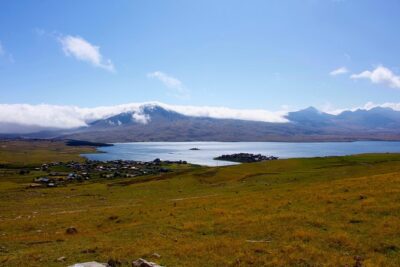
Mountain views in Georgia, with zero guesswork.
This 7-day highlights route strings together Tbilisi old town, UNESCO Mtskheta, and the high-Caucasus scenery around Kazbegi. You also get rock-cut history at Uplistsikhe and Vardzia, plus a real taste of Borjomi’s mineral-water culture. One small caveat: there’s a lot of time on the road, so you’ll want to be fine with a steady pace.
I like that the tour packs in entrance fees and keeps logistics simple with hotel pickup/drop-off and an English-speaking guide-driver. I also love the mix of stops: you’re not only seeing churches, you’re moving through fortresses, cave towns, and spa-town streets in a way that feels balanced across the week.
The main trade-off is food planning. Breakfast is included (6 times) and dinner is included, but lunches aren’t covered, so you’ll want a small budget for mid-day meals.
In This Review
- Quick hits that matter
- The smartest way to see Georgia’s highlights from Tbilisi
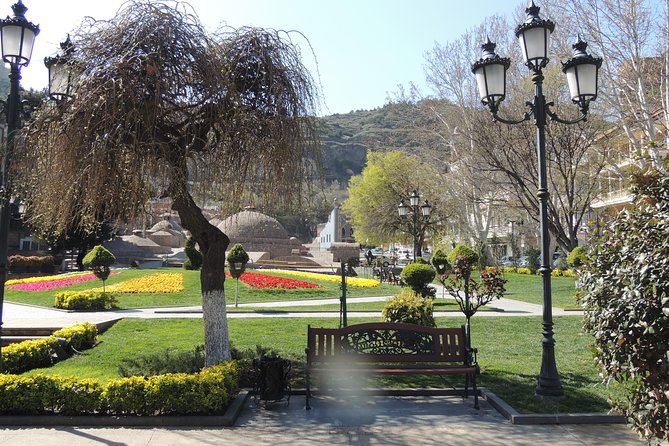
- Day 1 in Tbilisi: churches, lanes, and Narikala’s viewpoint
- Old Mtskheta and the UNESCO vibe: Svetitskhoveli and Jvari
- Kazbegi mountain day: Gergeti Trinity Church and Cross Pass altitude
- Stalin Museum, Uplistsikhe caves, and Borjomi’s mineral-water ritual
- Rabati Castle and Vardzia’s rock-hewn monastery world
- The long road through Tsalka lakes on the way back to Tbilisi
- Price and logistics: what $1,203 gets you (and why it’s fair)
- Guides, communication, and how to get the most out of a small group
- Comfort, pace, and who should book this
- Day 7: breakfast, check-out by noon, and leaving time
- Should you book this 7-day Georgian Highlights tour?
- FAQ
- What time does the tour start?
- Do I get hotel pickup and drop-off?
- Are meals included, and is breakfast covered?
- Are entrance fees included for the main attractions?
- Do I need to pay for lunches during the trip?
- How big is the group?
- What kind of transportation is used?
- Does the tour operate in bad weather?
- When does the service end on the last day?
Quick hits that matter
- All entrance fees included, so you won’t get nickeled-and-dimed at each site
- UNESCO-protected Mtskheta with Svetitskhoveli and Jvari, plus the river confluence view
- Kazbegi day built around Gergeti Trinity Church at 2395 m (Cross Pass area) and the Kazbegi/Stephantsminda setting
- Uplistsikhe cave town tied to the 1st millennium BC / early Iron Age story of rock-cut life
- Borjomi mineral water stop with a walk through Borjomi-Kharagauli National Park
- 3 to 4 hotel mix across Tbilisi, Gudauri, Akhaltsikhe, and Vardzia, with bottled water during the trip
The smartest way to see Georgia’s highlights from Tbilisi
If you want a “best of” Georgia trip without building your own route, this works because it follows a clear geographic rhythm. You start in Tbilisi, then move into Kartli (Mtskheta and the UNESCO sites), swing up into the Caucasus mountains for Kazbegi, then head into Samtskhe-Javakheti for Rabati Castle and Vardzia.
What makes it feel good is the balance between sacred sites, dramatic views, and places that look completely different from one another. Churches and monasteries are the spine of the itinerary, but you’re also spending real time at fortress complexes and rock-hewn cities—so the week doesn’t blur together.
The other practical win: it’s a small group (maximum 15) and you’re not doing constant transfers yourself. There’s pickup and drop-off, plus you travel in an air-conditioned car on most days.
A few more Tbilisi tours and Georgian day trips worth a look
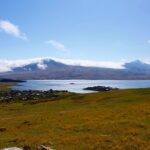
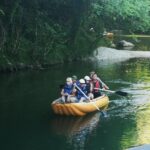
Day 1 in Tbilisi: churches, lanes, and Narikala’s viewpoint
Your first day is all about getting your bearings fast in Tbilisi. You begin at Holy Trinity Cathedral, the tallest church in Georgia (built 1995–2004). It’s not just a photo stop; it’s actively used, with children baptized there each year. Even if you’re not a worship-focused traveler, it sets the tone for how central religion is to the city.
Next comes a simple city-walk: Jan Shardeni Street, known for tiny sculptures scattered around the area. It’s the kind of place where you slow down without trying, because the street itself is full of small details.
Then you move to Sioni Cathedral, originally dating back to the 6th–7th centuries, with a rebuilt 13th-century form that stands today. This is the day’s pattern: you’re seeing how Tbilisi layers history over history.
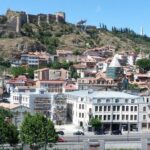
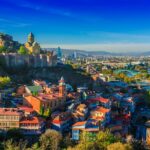
After that, you ride up to Narikala Fortress by cable car. The fortress has roots in the 4th century AD, with current structures dating to the 7th and 12th centuries. Expect the payoff to be the view—Tbilisi looks big from up there, and you get a map in your head for the rest of the trip.
You finish by descending into the older districts at Abanotubani, the sulfur-bath area. You’ll visit the Tbilisi Mosque (the only surviving one dating to the 18th century) and stroll through the Fig ravine waterfall area before walking toward the bathhouse district. It’s a gentle way to end a first day, because the streets turn from monumental sights into lived-in urban texture—cafes, pubs, art galleries, and souvenir lanes around Meidan Square and Sharden/Erekle II streets.
Practical note: wear comfortable shoes. This day is short on “rest stops” and long on walking.
Old Mtskheta and the UNESCO vibe: Svetitskhoveli and Jvari
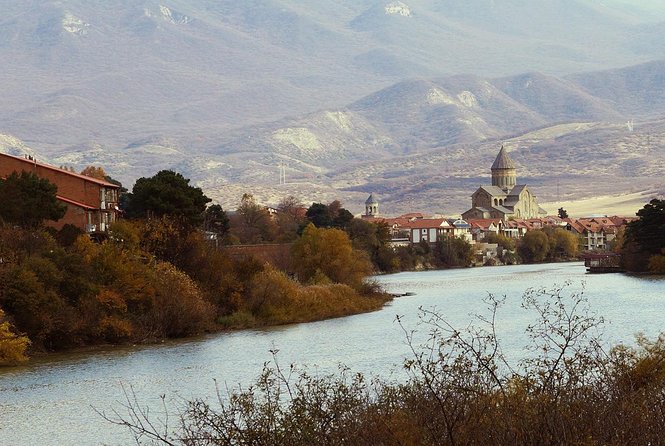
This is the day for “this is why people care about Georgia.” You drive from Tbilisi into Mtskheta, the former capital of the Eastern Georgian kingdom of Iberia, and UNESCO sites are the center of it all.
First is Svetitskhoveli Cathedral (11th century). It’s widely recognized for its architecture, but the big story for most visitors is the religious tradition tied to the cathedral: it’s considered to preserve the robe of Jesus Christ. Whether you focus on the faith element or the art/architecture element, the takeaway is the same: this is not a random church stop. It carries weight.
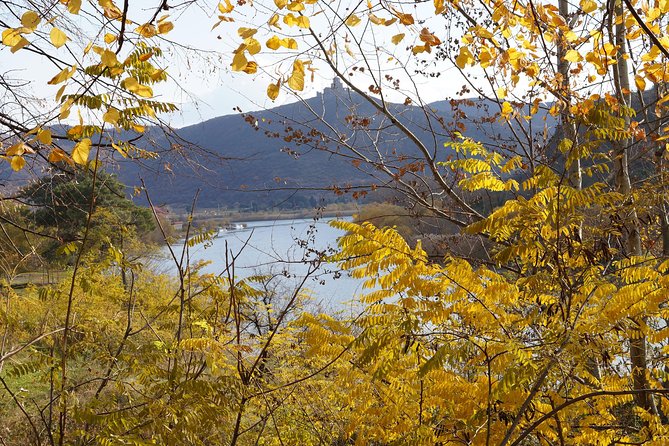
Then comes Jvari Church (6th century), perched on a hill above the city. The best part isn’t just the building—it’s the view. From this hill you can see the confluence of two rivers: Aragvi and Mktvari, which is the kind of natural geography that makes the man-made structures feel placed with purpose.
On the way back (or between viewpoints, depending on the flow), you’ll also visit Ananuri Fortified Castle Ensemble (16th–17th centuries). This complex includes churches, fortifications, and residential buildings, and it served as a seat for local dukes. This is a great contrast day because Mtskheta is UNESCO sacred, while Ananuri makes you think about power, defense, and daily life in a fortified setting.
If you only had one day to pick UNESCO highlights in the area, this is the one to prioritize.
Kazbegi mountain day: Gergeti Trinity Church and Cross Pass altitude
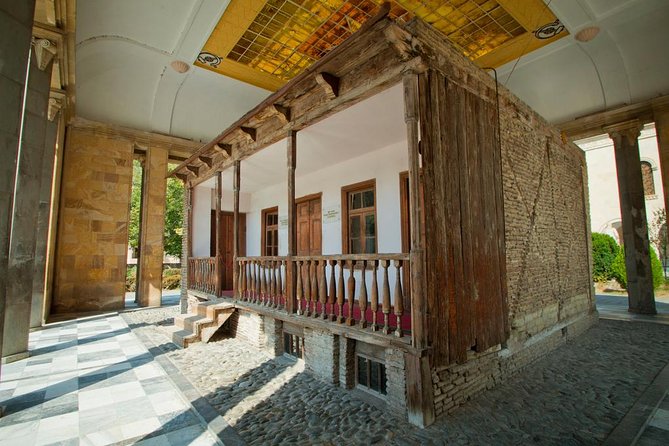
Day 3 is the “hold onto your camera” day. You’re going into high Caucasus terrain and reaching the Cross Pass area (2395 m). There are stops along the way for mineral water tasting and for snow-peak views (weather permitting—this trip operates in all weather, but conditions can affect what’s visible).
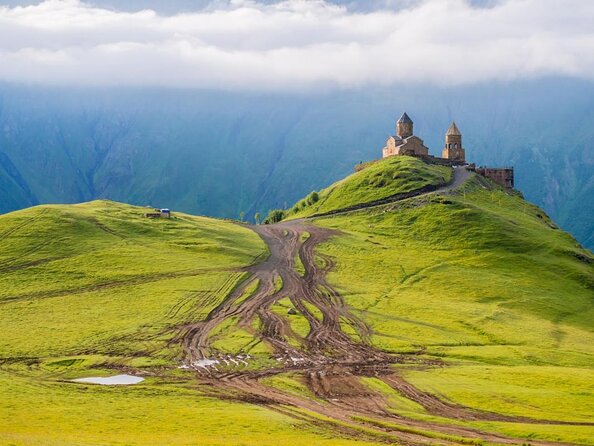
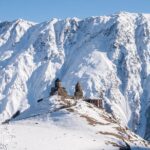
The main destination is Gergeti Trinity Church, a 14th-century church sitting on the top near Stephantsminda, with Kazbegi (5033 m) as the dramatic backdrop. This is one of those places where the setting is half the attraction. On a clear day you’ll see why this region is famous for mountain photography; on a cloudy day it still works, because the layered hills and misty ridgelines keep the mood intense.
One practical detail that matters: there’s 1 x local jeep in Kazbegi on day 3. That means part of your route is handled with vehicles built for local conditions, not just standard-road driving. It’s the right setup for reaching viewpoint areas efficiently.
What to bring: layers. Even if you’re warm at lower elevations, mountain weather can flip quickly. And if you’re prone to altitude discomfort, take it easy on the first big climb and hydrate.
Stalin Museum, Uplistsikhe caves, and Borjomi’s mineral-water ritual
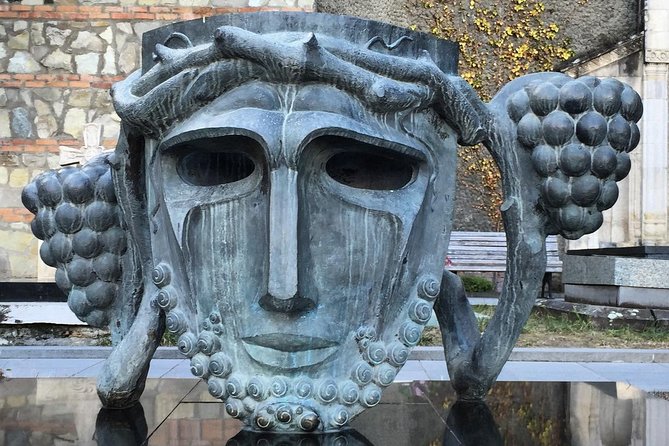
This is where the week gets a little less polished and a lot more memorable.
You start with the Stalin Museum, where the focus is a collection of private items that belonged to Joseph Stalin. It’s not trying to be subtle; it’s presenting a Soviet-era figure through objects. If you like history that’s messy and human-scale, you’ll probably enjoy the way museums like this bring ideology down to everyday possessions.
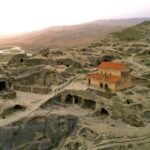
Then you head to Uplistsikhe Cave Town, an ancient rock-cut settlement. It’s described as dating back to the early Iron Ages, with the deeper roots tied to the 1st millennium BC. What you’re really buying with this stop is the feeling of walking inside an old landscape—secret tunnels and passes connecting chambers and halls cut directly into the rock.
Cave sites can be uneven and slippery in places, so good footwear matters more than you’d think.
After Uplistsikhe, you shift to something that feels completely different: Borjomi. You’ll taste Borjomi mineral sparkling water, then walk through Borjomi-Kharagauli National Park. The park is described as one of the largest protected areas in Europe, covering 5300 sq. km, with multiple ecological and geographical zones and wildlife. The day works because you go from carved stone towns into an area where nature is the main actor.
One small detail that stands out: Borjomi’s water is fed by waters coming from glaciers and rises to the surface without pumping (so it’s about natural flow, not human machinery). That gives you a better reason to respect the place beyond just trying fizzy water.

Rabati Castle and Vardzia’s rock-hewn monastery world
Day 5 is your “fortress and monastery in the same week” day.
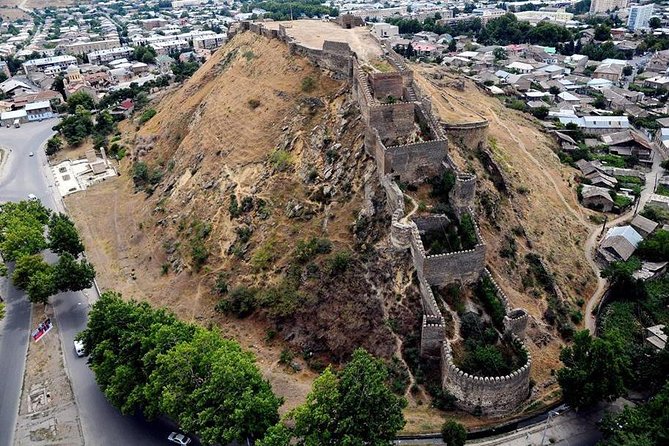
First is Rabati Castle in Akhaltsikhe, originally established in the 9th century and later rebuilt by the Ottomans. You’re seeing a layered fortress story: Georgian-era beginnings, then later influence and rebuilding. It’s a helpful reminder that borders and empires in this region weren’t static.
Then you go to Vardzia, the famous rock-hewn complex on the left bank of the Mtkvari River. It was founded in the 12th–13th centuries, during the reign of Giorgi III and his daughter Queen Tamar. The complex began as a town-fortress concept and developed into a fortified monastery with a major role in Georgia’s political, cultural, and spiritual life.
This is one of the most impressive “scale” sites on the entire route. You’ll probably notice how many parts of Vardzia are carved into the cliff itself, which makes it feel both architectural and geological at once.
If you’re the type who enjoys understanding how people lived—where they stored things, where they could defend, how they built around terrain—Vardzia will do a lot of work for you.
The long road through Tsalka lakes on the way back to Tbilisi
Day 6 is a change of pace: more driving, fewer headline monuments.
You drive via lakes Sagamo, Paravani, and Tsalka, with a travel block described as 4 hours. This isn’t “sit and do nothing” driving. The lakes and changing scenery are still part of the experience; it’s just not the same kind of stop-and-stare as a cathedral day.
This kind of day is useful because it lets you absorb the trip’s earlier intensity. By now you’ve seen Tbilisi streets, UNESCO sites, mountain viewpoints, caves, and big fortress/monastery walls. A slower, scenic transit day helps the week stay enjoyable.
Price and logistics: what $1,203 gets you (and why it’s fair)
At $1,203 per person for about 7 days, the value comes from what’s included rather than just the transportation.
Here’s what you’re getting that usually costs extra when you travel independently:
- All entrance fees included across the major sites (so your budget doesn’t leak out one ticket at a time)
- Breakfast included 6 times
- Dinner included (package-level)
- Hotel pickup and drop-off
- English-speaking guide-driver for all days except day 7
- Air-conditioned car for all days except day 7
- Overnights in 3 hotels (with a 4 hotel in the Vardzia area, based on the package)
- Bottled water
- A local jeep in Kazbegi on day 3
The one thing you must plan around: lunches aren’t included unless specifically listed (they aren’t in the provided inclusions). So when you compare value, factor in lunches. Even with that, this price feels competitive for a route this structured—especially because the itinerary includes multiple far-flung regions, not just a single-city loop.
Also, the group size (max 15) is a big deal. You still get conversation and explanations, but you’re not stuck in a bus full of strangers doing rapid-fire photo stops.
Guides, communication, and how to get the most out of a small group
The provider’s service reputation shows up in the way guides are described: names like Giogi, Lasha, and George come up as friendly and helpful, with clear explanations of the sites. Other notes praise fast, careful communication from the company leadership (including Manana Tsiramua) and updates that keep families from feeling lost.
What that means for you on the ground: when something is unclear—where to go next, what matters most at a site, or how to handle the day’s pacing—you’re more likely to get straight answers instead of guesswork.
To make the most of the guide’s knowledge, do one simple thing: ask one focused question each day. For example, ask why Jvari’s placement matters, or how Vardzia’s fortress role changed over time. With small groups, you can actually get a real answer.
Comfort, pace, and who should book this
This tour is best for you if:
- You want a structured, full-week highlights trip that covers multiple regions
- You prefer learning from an English-speaking guide-driver while someone handles the route
- You like a mix of cathedrals, fortresses, mountain viewpoints, cave towns, and a spa-water day
- You’re okay with walking at major sites and climbing viewpoints by foot after arriving
It might not be ideal if:
- You need lots of free time each day. The itinerary is packed, and even “short” stops still add up.
- You’re strict about meal routines. Breakfast and dinner are covered, but you’ll handle lunches yourself.
On weather: the tour says it operates in all weather conditions. Dress for that. Bring layers, and don’t assume mountain weather will behave.
Day 7: breakfast, check-out by noon, and leaving time
Day 7 is calmer: breakfast at the hotel, then check-out until 12:00 pm, and service ends. If you’re booking onward travel, try to schedule it after late morning so you aren’t racing the clock.
Should you book this 7-day Georgian Highlights tour?
I’d book it if you want a smart first trip to Georgia—one that connects Tbilisi to UNESCO Mtskheta, then up into Kazbegi, and finally through cave-and-fortress sites like Uplistsikhe and Vardzia. The best reason is the mix plus the inclusions: entrance fees, most meals, hotels, and transport are handled, and the small-group size keeps it from turning into a factory tour.
But book with your eyes open if lunches and pacing are deal-breakers for you. If you’re good with planning a simple lunch budget and enjoying a steady schedule, this is the kind of route that makes Georgia feel real quickly.
FAQ
What time does the tour start?
The tour starts at 10:00 am.
Do I get hotel pickup and drop-off?
Yes. Hotel pickup and drop-off are included.
Are meals included, and is breakfast covered?
Breakfast is included 6 times, and dinner is also included. Lunches are not listed as included.
Are entrance fees included for the main attractions?
Yes. All entrance fees are included.
Do I need to pay for lunches during the trip?
Yes. Lunches are not included, so you’ll need to cover your own meals on most lunch breaks.
How big is the group?
The tour has a maximum of 15 travelers per group, and it requires a minimum of 4 people per booking.
What kind of transportation is used?
You travel by air-conditioned comfortable car all days except day 7, plus there is 1 x local jeep in Kazbegi on day 3.
Does the tour operate in bad weather?
Yes. It operates in all weather conditions, so you should dress appropriately.
When does the service end on the last day?
Day 7 includes breakfast, then check-out until 12:00 pm, and the service ends after that.
More 7-Day Experiences in Tbilisi

More Tbilisi Tours and Georgian Day Trips

More from Our Tbilisi Review Desk
Not quite your thing? More Tbilisi tours and day trips from our review desk


7-Day Experiences, compared.
 ★ 5.0Private 7-Day Tours & Transfers from Tbilisi to Top Georgia SpotsFrom $70023 reviews
 ★ 5.0The Best of Georgia 7 Days Private Jeep Tour from TbilisiFrom $1,19919 reviews
 ★ 5.0Amazing All inclusive Tour for 7 Days From TbilisiFrom $75316 reviews
 ★ 5.0Georgia in 7 Days: A Haven for Nature and Sea LoversFrom $65915 reviews
 ★ 5.0Georgian Essence: Cultural Immersion in a weekFrom $2,2009 reviews
 ★ 5.07-Day Georgian Wine and Culinary Private Tour with Cooking ClassFrom $7845 reviews
 ★ 4.57-day hiking expedition to Tusheti through the Atsunta passFrom $1,1903 reviews
Browse the lists this tour appears in