
Reviewed · TUSHETI & KHEVSURETI WILDERNESS HIKES
3 Day Tusheti Tour Explore Unspoiled Wilderness
One road trip changes everything. This 3-day Tusheti tour mixes Gombori Pass viewpoints, Alaverdi’s historic cathedral, and the serious mountain drive toward Omalo via Abano Pass.
I love that you travel in a small group (up to 6) with pickup and a guide in English, and you sleep in a traditional guesthouse where dinner is part of the plan. I also love the practical, all-in mountain logistics—breakfast and dinner are included, and the transport is a Mitsubishi Delica built for rough roads.
My only caution: Tusheti is remote and high, so you’ll need moderate physical fitness, patience for weather changes, and a comfort level with rustic conditions (limited water/electricity and patchy phone coverage).
In This Review
- Key highlights worth planning for
- Why Tusheti feels like a different Georgia
- Getting started in the morning: pickup, timing, and the right mindset
- Day 1: Gombori Pass viewpoints and Alaverdi’s cathedral history
- Gombori Pass and its Silk Road-era role
- Alaverdi St. George Cathedral (Alaverdi Monastery)
- The long drive into Tusheti National Park (and why it’s worth it)
- Why “just riding” becomes part of the experience
- Omalo: guesthouse reality that still feels comfortable
- Abano Pass crossing: high altitude and sheep-led mountain drama
- Day 2: Dartlo, Diklo, and Shenako’s stone tower world
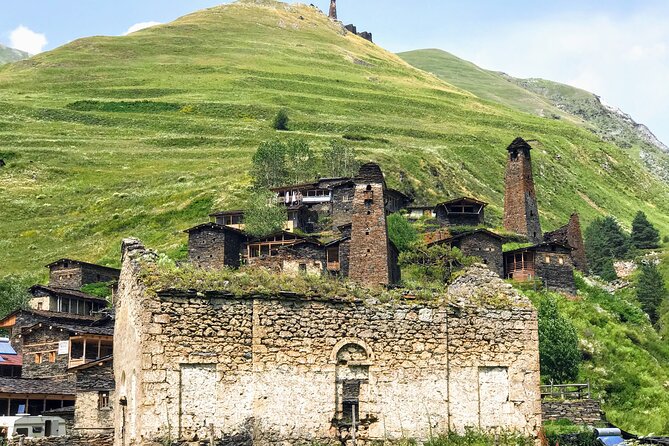
- Dartlo: towers, icons, and pagan-Christian layers
- Diklo: fortress ruins and seasonal mountain life
- Shenako: medieval house towers and St George’s Church
- Day 3: Omalo’s Keselo Fortress and a final look at Tusheti
- Keselo Fortress and Omalo’s tiny population
- Returning to Tbilisi
- What $335 buys you (and where the extra costs can pop up)
- The real deal for comfort: altitude, water, power, and phone coverage
- Who should book this Tusheti tour (and who should skip it)
- Should you book this 3-day Tusheti tour?
- FAQ
- What’s included in the $335 price?
- What’s the maximum group size?
- Is the tour available year-round?
- How early does the tour start?
- Do I need to bring cash?
- Is horse riding included?
- What’s the accommodation like in Omalo?
- Is cell phone coverage reliable in Tusheti?
Key highlights worth planning for
- The mountain-road drive is the point, with passes like Gombori and Abano built for big views.
- Omalo guesthouse life beats day-tripping, with home-cooked meals included.
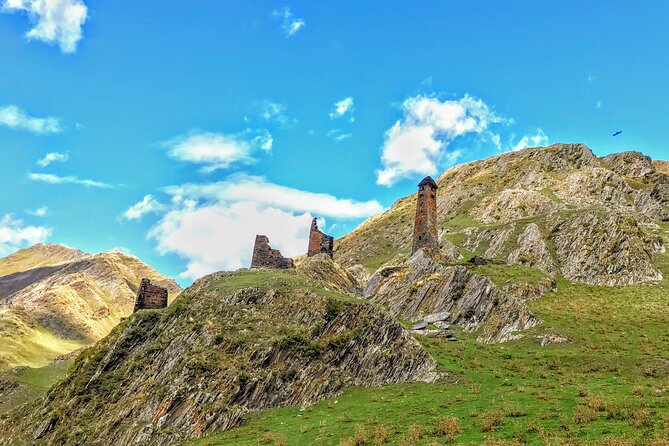
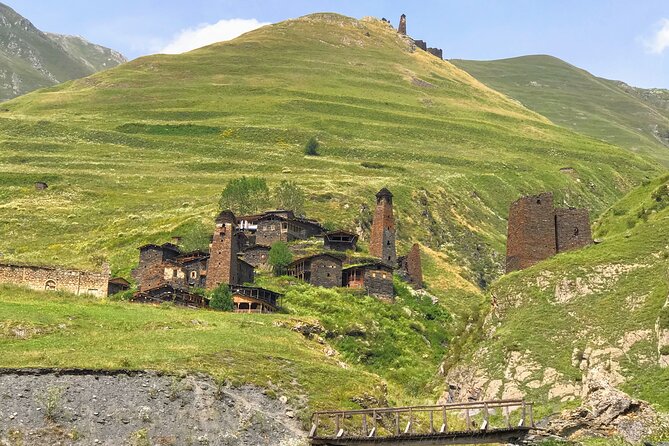
- Stone tower villages like Dartlo and Shenako show Tushetian architecture up close.
- Abano Pass is high and real, with sheep crossings and snow that can linger.
- Your team matters: guides such as Koba or Jonah and drivers like Gotcha or Vepho often get praised for calm handling.
- You go at the right season (usually June–September) to keep roads workable.
Why Tusheti feels like a different Georgia
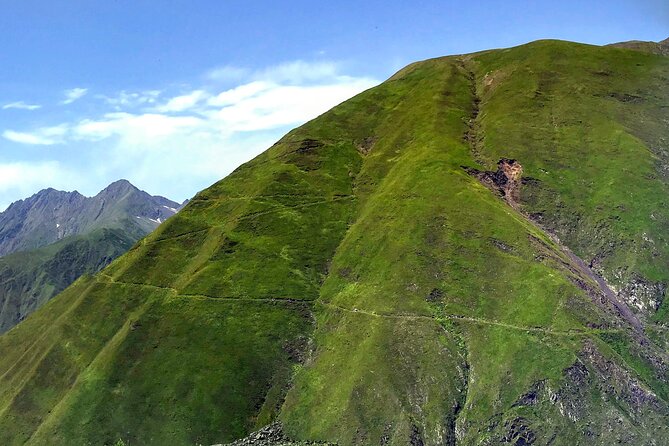
Tusheti is the kind of place that makes you slow down without trying. In just three days, you trade main-road sights for mountain passes, stone towers, and villages where daily life still shapes the scenery more than tourist infrastructure does.
I like that the trip balances culture and nature. You start with major religious and historical stops in Kakheti, then you transition into the rhythm of Tusheti—long drives, high-altitude air, and the simple comfort of a guesthouse when the day finally cools down.
More Tusheti and Khevsureti wilderness hikes we have walked from Tbilisi
Getting started in the morning: pickup, timing, and the right mindset
This tour typically starts early—meeting time is 7:00 am in the Tbilisi area—with pickup offered if you share accurate contact details (email and WhatsApp). It runs as a small group, capped at 6 travelers, which makes a big difference on narrow roads and in village stops.
You’ll want to plan for a few things before you even think about luggage:
- Weather can change the schedule. The route back to Tbilisi may shift if conditions require it.
- Motion sickness is common on mountain roads. The tour notes this directly—if you’re prone to it, consider medication beforehand.
- Communication is limited. Cell coverage in Tusheti can be weak, so it’s smart to have a backup plan for emergencies.
The good news: guides and drivers on these roads tend to focus on smooth timing—stops for viewpoints, safe photo breaks, and keeping the group calm when the road gets steep.
Day 1: Gombori Pass viewpoints and Alaverdi’s cathedral history
Day 1 starts with two stops that put you in the right mood for eastern Georgia—then you gradually climb into the mountains.
Gombori Pass and its Silk Road-era role
The Gombori Pass connects Tbilisi and Telavi, and it’s famous for winding roads and sweeping views over the Alazani Valley. As the drive climbs, the scenery shifts from drier ground to greener forest—so even before Tusheti, you start seeing Georgia change.
There’s a viewing platform at the top where you can take in the mountain-and-valley panorama. This is also a place with history: the pass was once a strategic point on the Great Silk Road, and there’s the 17th-century Gombori Fortress, listed as open and free to visit on the day.
Practical tip: bring a light layer even if it’s warm in Tbilisi. Pass weather can flip fast.
Alaverdi St. George Cathedral (Alaverdi Monastery)
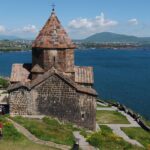
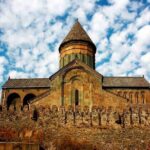
Next comes the Alaverdi Monastery area, one of eastern Georgia’s key religious sites in the Alazani Valley. It traces back to the 6th century, but the cathedral you’ll see today is from the 11th century, noted as one of the tallest cathedral structures in Georgia.
Inside, expect frescoes and carvings, plus priceless religious items such as manuscripts and icons. The monastery also sits in a scenic setting, so you can combine cultural time with a short, easy walk and valley views.
This stop matters because it grounds the later Tusheti architecture in a wider Georgian story—religion and stonework show up everywhere once you get into the mountains.
A few more Tbilisi tours and Georgian day trips worth a look

The long drive into Tusheti National Park (and why it’s worth it)
From Alaverdi, you head toward Tusheti National Park area, and this is where the trip becomes an adventure on wheels.
The road to Tusheti is described as 93 km long, starting in Alvani in the Kakheti region. It’s one of the most scenic and challenging drives in the Caucasus, and it’s not just the driving that matters. The route passes alpine pastures, plus villages perched high among mountains.
The tour also flags something important for planning: the Abano Pass is only open roughly from late May to early October, since winter snow can close it. That’s why the Tusheti season is limited (often June–September) and why booking ahead can help.
Why “just riding” becomes part of the experience
If you’re expecting a straight line from one photo stop to the next, you might feel the day drags. But if you’re the type who likes slow observation—watching how villages sit on slopes and how shepherd life shows up—you’ll get a lot out of the drive itself.
Omalo: guesthouse reality that still feels comfortable
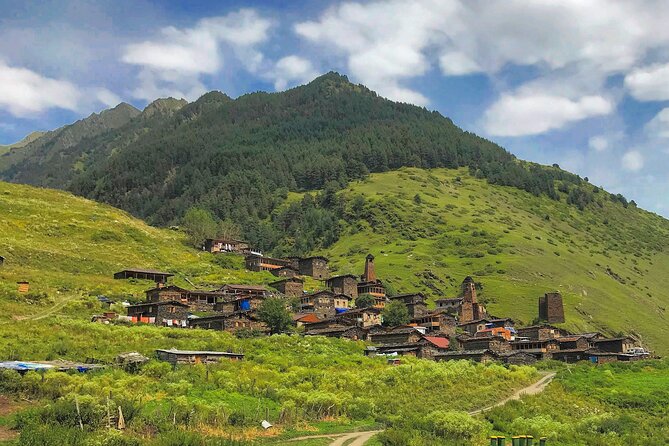
After the mountain road comes the payoff: Omalo, one of the most popular bases for exploring Tusheti.
You’ll stay in a traditional guesthouse. It’s described as simple but comfortable, with clean rooms and private bathrooms. Meals are part of the arrangement—your hosts cook with local produce, and they can help arrange horse riding or hiking if you want extra activities.
Omalo also gives you the best kind of downtime: ancient stone houses, winding cobbled lanes, and mountain views that don’t feel staged. This is the moment when Tusheti shifts from sightseeing to living-in-it for a day.
From the feedback I’ve seen, this is often where the trip becomes personal. Guides like Koba or Jonah are frequently praised for making the schedule feel human—holding conversations, timing photo stops, and keeping the day light even when you’re far from normal city comforts.
Abano Pass crossing: high altitude and sheep-led mountain drama
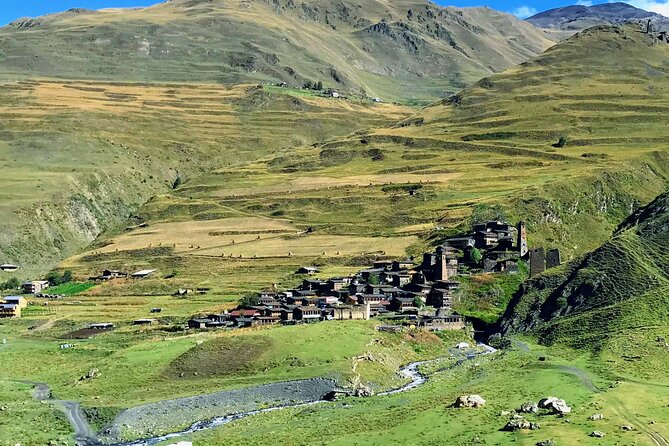
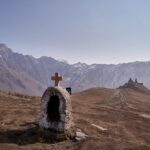
Later on Day 1, you cross the Abano Pass, listed at around 2,850 metres—and described as the highest motorable pass in Georgia. Even if it’s summer, snow can still linger, so it’s the kind of pass where conditions matter.
The pass often includes sheep being led by local shepherds. It’s one of those small details that makes the whole place feel alive, not just scenic.
Practical note: altitude is real here. The tour notes Tusheti sits roughly 1,800–2,900 m, so take it easy on Day 1, drink water, and don’t treat the air like it’s the same as at sea level.
Day 2: Dartlo, Diklo, and Shenako’s stone tower world
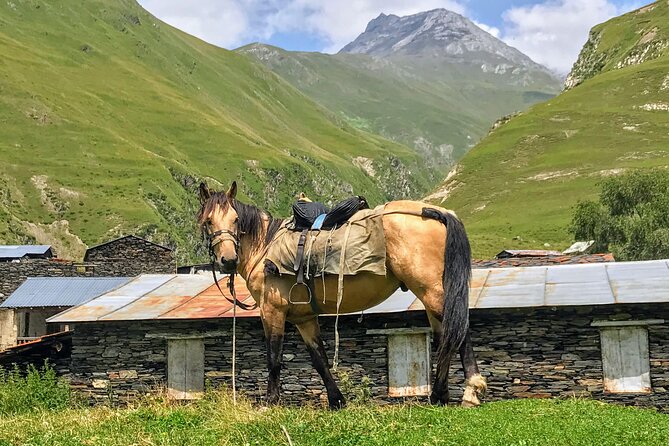
Day 2 focuses on Tusheti’s villages—especially the stone-and-wood architecture that defines the region.
Dartlo: towers, icons, and pagan-Christian layers
Dartlo is known for traditional stone houses, narrow lanes, and mountain views. The village includes both pagan and Christian religious buildings, including:
- Dartlo Church (19th century)
- Nachauridzes family tower (late medieval)
There’s also the Iakhsari Icon Complex, a shrine dedicated to a pagan deity. The complex layout is described as including a hall, sacristy, flag tower, and women’s page, among other structures.
What I like about Dartlo as a stop is how it shows continuity. It’s not just one era preserved—it’s layers of belief written into the stone.
Diklo: fortress ruins and seasonal mountain life
Next is Diklo, with ruins of a fortress overlooking the village. You’ll also see summer shelters for shepherds and sheep, plus a simple guesthouse.
Diklo’s quiet season story is part of the point: the village is depopulated in winter because of harsh climate and difficult roads. On a sunny day, that can make the ruins feel even more exposed—like you’re seeing how survival patterns shaped the architecture.
Shenako: medieval house towers and St George’s Church
Then you reach Shenako, one of the most impressive stops for architecture lovers.
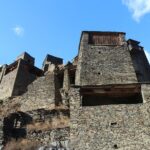
Shenako is famous for its Tushetian house towers built in the Middle Ages from black flat stones and wood. The design is functional:
- ground floor for livestock
- upper floors for living and protection from intruders
You’ll also visit St George’s Church (19th century), described as a free-cross domed building made of slate and limestone. It has eight narrow arched windows in the dome, plus an octagonal, tin-covered dome with a pyramidal roof. The church also has a rectangular doorway with three semi-circular arches, and a square bell tower where only foundations remain.
Around the church you can see the Lavgardan slate shelf and other traditional elements like the gate area and minarets.
This is the day that feels most like you’re walking inside Tusheti’s long story.
Day 3: Omalo’s Keselo Fortress and a final look at Tusheti
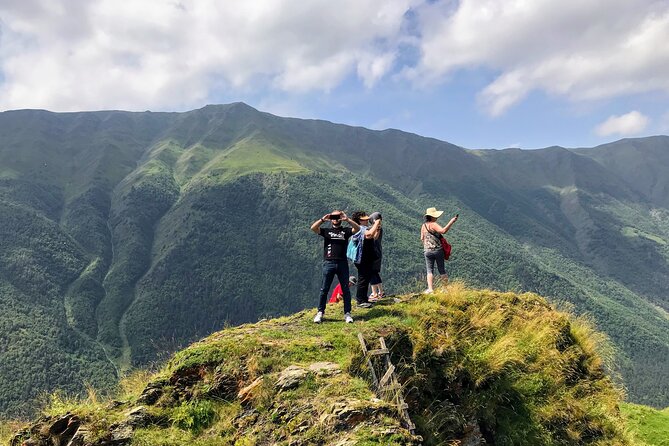
Day 3 brings you back to Omalo for more village history—then you head back to Tbilisi late afternoon.
Keselo Fortress and Omalo’s tiny population
Omalo’s historical part includes the Keselo Fortress, dating back to 1230 during the Mongol invasion. It served as defense against raids by North Caucasian tribes. The fortress is partially restored, so you can still read the site and imagine how it worked.
You’ll also see houses built between the 17th and 19th centuries—stone-and-wood structures that reflect the region’s defensive needs and daily life. The tour notes Omalo has only 37 inhabitants, which helps explain why this place doesn’t feel like a theme park.
Returning to Tbilisi
After your final village time, you return to Tbilisi in the late afternoon. The ride down is often a mental reset: you’ve moved from steep switchbacks and high air to the broader rhythms of the city.
If you’ve got the energy, I’d suggest using your last hours to review photos and mark which village detail you want to study more—because Tusheti rewards repeat looking.
What $335 buys you (and where the extra costs can pop up)
This tour is priced at $335 per person for about three days, with pickup offered and English-guided service. For many people, the biggest value is that you’re paying for access: the drive into a remote, protected mountainous region, plus the organization that makes it work.
Included:
- Breakfast (2)
- Dinner (2)
- Guesthouse accommodation in Omalo (simple, comfortable rooms with private bathrooms)
- Admission tickets listed as free for the included stops
- Transport in a Mitsubishi Delica
- Mobile ticket
Not included:
- Additional food and beverages
- Horse riding (optional)
- If you want a private room, there’s an extra $50 for two nights
One more practical value point: the tour includes meals during the remote days. In places with limited infrastructure, that reduces stress more than you’d expect.
The real deal for comfort: altitude, water, power, and phone coverage
Tusheti trips feel rougher than city tours even when everything runs smoothly. The key is knowing what to expect so you’re not surprised.
The tour flags:
- Limited electricity and running water in Tusheti
- Cold snaps and sudden weather changes, including heavy rain and even snow
- Limited cell phone coverage
- Leave No Trace behavior because it’s a protected area
So pack like you’re going out of cell service range. Bring warm clothing and waterproof gear, even if forecasts look mild the day before. And if you’re sensitive to altitude, talk to a doctor ahead of time—Tusheti sits high, and medical facilities are limited.
Also: credit cards aren’t accepted in Tusheti. Plan to carry enough cash for any snacks, drinks, or small extras you want on the ground.
Who should book this Tusheti tour (and who should skip it)
This tour fits you best if you:
- want a real small-group Tusheti experience instead of a fast bus circuit
- like architecture details (tower houses, church domes, fortress remnants)
- can handle steep roads and limited comfort basics
- prefer a guided trip that reduces guesswork in a remote region
You might want to think twice if you:
- need modern facilities like constant running water or reliable power
- get motion sick easily and aren’t willing to prepare
- aren’t flexible with weather-driven schedule changes
Should you book this 3-day Tusheti tour?
If your idea of a great trip is steep roads, stone villages, and learning how life works in a high mountain region, this one is a strong pick. The included breakfasts and dinners, guesthouse lodging in Omalo, and the carefully planned pass stops make it feel like more than a sightseeing route.
The only reason to hesitate is if you’re expecting comfort-first travel. Tusheti is rustic and remote, and the tour asks you to bring the right attitude: warm layers, flexibility, and patience with mountain driving.
If you want Tusheti without the planning headache—and with a team that keeps things calm on the roads—this is the kind of trip you’ll remember for years.
FAQ
What’s included in the $335 price?
The tour price includes pickup offered in the Tbilisi area, transport by Mitsubishi Delica, and meals: breakfast (2) and dinner (2). It also includes the listed admissions, and you’ll have accommodation in a traditional guesthouse in Omalo.
What’s the maximum group size?
The tour lists a maximum of 6 travelers.
Is the tour available year-round?
No. It’s only available during a limited season, typically June to September, since roads and passes can be closed by snow outside that window.
How early does the tour start?
The meeting/start time is 7:00 am.
Do I need to bring cash?
Yes. The tour notes that credit cards aren’t accepted in Tusheti, so bring cash for any extra food or drinks you want.
Is horse riding included?
No. Horse riding is optional and not included in the base price.
What’s the accommodation like in Omalo?
You’ll stay in a traditional guesthouse with clean rooms and private bathrooms. It’s described as simple but comfortable, with a more rustic level of comfort than city hotels.
Is cell phone coverage reliable in Tusheti?
No. Cell phone coverage is limited in Tusheti, so it’s smart to have a backup communication plan for emergencies.
More Tbilisi Tours and Georgian Day Trips




More from Our Tbilisi Review Desk

More Tusheti and Khevsureti Wilderness Hikes
Not quite your thing? More Tbilisi tours and day trips from our review desk





Tusheti & Khevsureti Wilderness Hikes, compared.
 ★ 5.0day trip to Shatili, Khevsureti, Mutso, Ananuri.From $15021 reviews
 ★ 5.0Five days tour to Khevsureti (Abudelauri lakes) & Kazbegi with hikes.From $10014 reviews
 ★ 5.0Trekking Tour from Tusheti to Khevsureti via Atsunta PassFrom $1,6206 reviews
 ★ 5.0Lagodekhi – A day hiking from TbilisiFrom $954 reviews
 ★ 4.51 day hiking in Birtvisi Canyon from TbilisiFrom $804 reviews
 ★ 4.57-day hiking expedition to Tusheti through the Atsunta passFrom $1,1903 reviews
Browse the lists this tour appears in