

Reviewed · TBILISI WINE CELLARS & TASTINGS
Wine promenade in hospitable Tbilisi
Wine in Tbilisi can teach faster than a guidebook. This small-group wine promenade blends an old-city walking tour with tastings at two cellars in the heart of Tbilisi, where you learn what makes Georgian wine different. Two highlights I especially like are the 15+ wine tastings across traditional methods and the guide-led city context that makes each sip land in a real place, not just a tasting room.
One heads-up: it lasts about 3 hours, and it is built around walking plus alcohol, so pace yourself and plan to keep the rest of your day easy. Also, dinner and private transportation are not included, so you’ll want a separate plan for food after.
In This Review
- Key Things You’ll Notice Right Away
- Walking Old Tbilisi and Tasting Wine in the Same Rhythm
- The Freedom Square Start: Smooth, Central, and Easy to Join
- Two Old-Town Cellars: Traditional Clay Vessels and Modern Methods
- Chacha at +50° Grapes: Why This Part Is Worth Paying Attention To
- How the Guide Turns Tastings Into Real Understanding
- Desserts, Appetizers, and the Georgian Table Feeling
- Price and Value: Is $100 Worth It?
- Who This Tour Fits Best
- Practical Tips Before You Go
- Should You Book Wine Promenade in Hospitable Tbilisi?
- FAQ
- How many people are on the tour?
- How long is the wine promenade in Tbilisi?
- What’s included in the tour?
- Are dinner or snacks after the tour included?
- Is transportation included?
- Where do I meet the guide?
- What languages does the guide speak?
- Can I choose my start time?
- What is the cancellation policy?
Key Things You’ll Notice Right Away
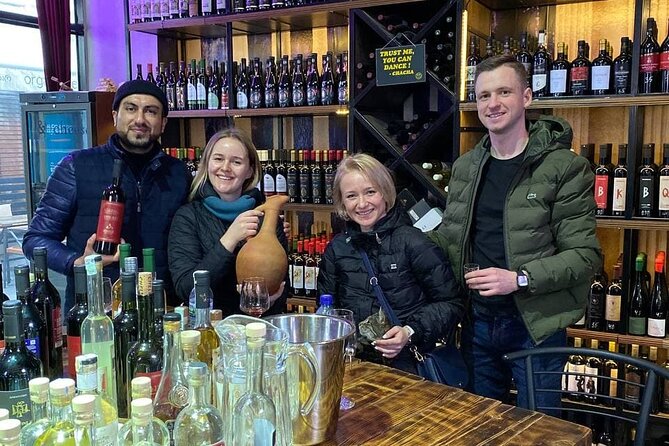
- Maximum of eight people, so questions land and the pace stays relaxed
- Two wineries in old Tbilisi, meaning you taste with a sense of place
- 15+ Georgian wines, including traditional clay-vessel styles and European-tech wines
- Real chacha (described as made from +50° grapes), served as part of the tasting story
- Traditional Georgian dessert and appetizers included, not an afterthought
Walking Old Tbilisi and Tasting Wine in the Same Rhythm
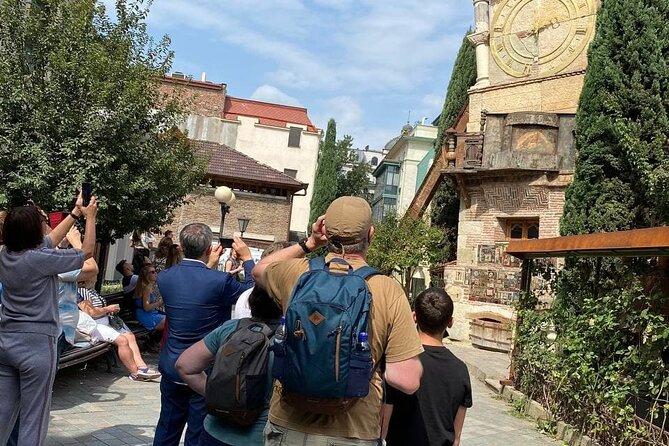
This tour works because it treats Tbilisi like the main character. You start at 2 Freedom Square, then spend the afternoon moving through old streets while your guide connects the dots between what you’re seeing and what you’re tasting. That matters, because Georgian wine traditions aren’t abstract. They’re tied to the way food, hospitality, and community life show up in the city.
Instead of the usual pattern where you get dropped at one location and sit through tasting notes, you keep walking between experiences. That light movement helps you stay alert when you start sampling multiple wines, and it also makes the tour feel like you’re actually getting oriented. I’d call it a best-of-both approach: city introduction + wine education in one clean block of time.
The group size is capped at eight, and that changes the feel. You’re not shouting over chatter. You can ask practical questions when something doesn’t make sense, like how qvevri-style fermentation changes flavor compared to more European approaches.
More Tbilisi wine cellars and tasting rooms we have sat down in



The Freedom Square Start: Smooth, Central, and Easy to Join
Meeting at 2 Freedom Square is convenient if you’re staying in or near the center. It’s also the kind of starting point that helps you get your bearings fast, especially on a first trip. Since the activity ends back at the meeting point, you’re not stuck trying to solve your way home while you’re full of wine and opinions.
You’ll get a mobile ticket, and the tour runs with a walking format through old Tbilisi. The guide services include German, French, and Russian-speaking options, so you’re less likely to be stuck with a language barrier. That multilingual detail can matter more than it sounds when you’re trying to understand the difference between a style of wine and a style of technique.
Because the tour is near public transportation, it’s also easier to fit into a day that includes other plans. You’re not forced into a complicated schedule just to get to the first cellar.
Two Old-Town Cellars: Traditional Clay Vessels and Modern Methods
The core tasting happens at two small wineries located in old Tbilisi. This isn’t mass-produced tourism. You’re stepping into intimate spaces where Georgian winemaking history is treated as living practice.
At each cellar, you’ll taste about 6–8 portions of Georgian wines. Over the whole tour, that adds up to more than 15 varieties, which is a lot of variety for a single afternoon. The tastings are designed to show the range of Georgian approaches, including both:
- Wines made in the traditional way using cone-shaped clay vessels
- Wines made using European technology
If you like wine but don’t want to become a full-time sommelier, this structure is great. You can compare how the same grape character can shift when the fermentation and aging environment changes. That’s usually where people start to understand why wine tastes the way it does, not just what it tastes like.
Chacha at +50° Grapes: Why This Part Is Worth Paying Attention To
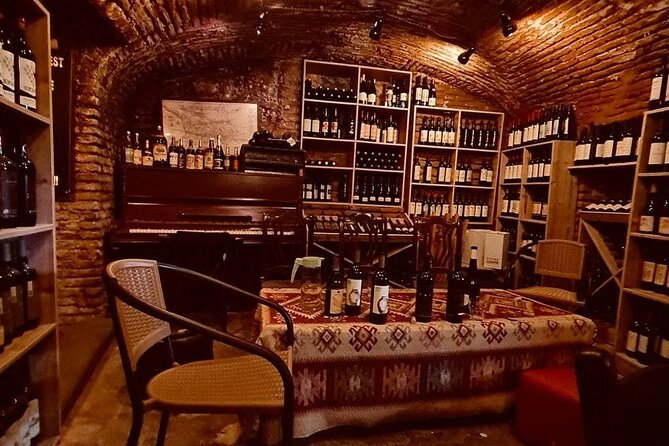
Chacha is one of those Georgian things that visitors hear about, but it can remain a vague concept until you meet it in context. This tour includes real chacha described as made from +50° grapes. That’s a clear signal that you’re not just tasting wine; you’re learning how Georgian hospitality treats different drinks as part of the same story.
You’ll likely taste chacha as part of one of the winery stops, and one detail that stands out from the experience is the atmosphere. At one tasting moment, there’s a balcony view over the river toward the town, described with beautiful wines and a great setting. Even if your exact view depends on the cellar arrangement, the takeaway is consistent: you’re tasting in a place that feels linked to Tbilisi’s daily life.
From a practical angle, chacha is strong compared with wine, so pace yourself. The tour includes bottled water, but the best strategy is to treat chacha as a moment, not a race. Your goal is to learn the flavor profile and the role it plays, not to power through it.
How the Guide Turns Tastings Into Real Understanding

What makes this tour different from a standard tasting is how the guide frames it. The experience is built around explanation from experienced sommeliers, plus a guide who shares history and culture between winery stops. In other words, you get the city story while you’re in it, and then you get the wine story inside an actual cellar.
The feedback on the guides is consistently warm, and the names that come up most are Valeri (sometimes spelled Valera) and a sommelier named Zuraab. You can expect a friendly, patient teaching style with room for questions. One reviewer even highlighted that preferences were taken into account at tastings, which is a subtle but important detail. It helps you connect what you’re tasting to what you already like, rather than treating every wine as a quiz.
The guide also gives a walking tour of old Tbilisi, so you’re not left wondering what that street or building means. When you learn why something matters locally, the tasting becomes less random. It starts to feel like part of the same cultural texture: hospitality, tradition, and a long relationship with grape-growing.
More Georgian wine trips we have raised a glass on near Tbilisi



Desserts, Appetizers, and the Georgian Table Feeling

Wine tastings are never only about wine. Here you’ll get traditional Georgian dessert and appetizers as part of the tour. That’s smart, because Georgian food flavors tend to be bold enough to change how you perceive acidity, tannins, and sweetness in wine.
The appetizers help you reset between pours, and the dessert gives the sweetness curve a place to land before you head back into the city. Even if you’re not a big sweet person, this timing is practical: you’re not trying to eat a full meal right in the middle of tastings.
One note for your planning: dinner is not included. So if your day runs long, you’ll want to have a restaurant idea ready afterward. The tour’s length and included bites should keep you comfortable, but it won’t replace a proper dinner plan.
Price and Value: Is $100 Worth It?

At $100 per person for about 3 hours, the value depends on what you want from a wine experience. If you’re looking for a casual way to sample a broad range of Georgian wines without setting up your own transportation and research, this can be a strong deal.
Here’s why the pricing can make sense:
- You’re tasting 15+ Georgian wines in two locations, not just a short list of a few pours
- You get sommeliers and a guide, plus context through a walking tour of old Tbilisi
- You’re not paying extra for water, and you get dessert and appetizers included
Could it be expensive if you only want one or two drinks? Sure. But the tour is built for learners and wine curious people who want comparison: traditional clay-vessel styles versus European-technology wines, and wine versus chacha in the Georgian framework.
Also, the small group size helps justify the price. When the group is capped at eight, you get a more interactive pace. That usually makes the teaching part more effective, and that’s where the tour earns its keep.
Who This Tour Fits Best
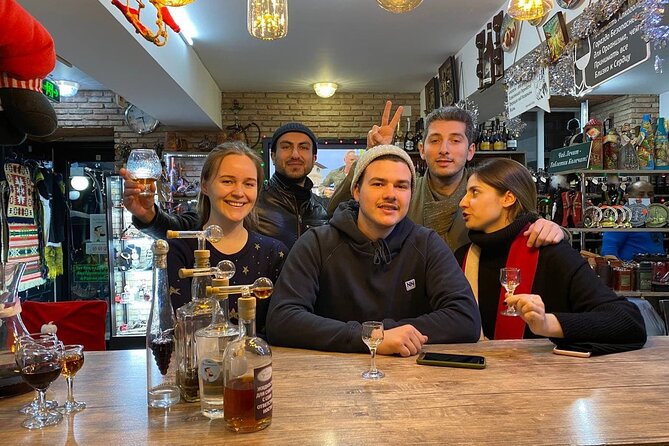
This is a great match if you’re a casual wine fan who wants structure. You’ll still enjoy it even if you don’t know your way around wine terms, because the tastings are organized for learning: method, style, and taste all connect.
It’s also a good pick for budding sommeliers or anyone who likes to ask questions. The format invites discussion, and the guide’s city explanations give you something to hold onto besides flavor memory.
If you’re traveling as a couple or with family, the tone sounds flexible and welcoming. One family-focused experience mentioned enjoying the format and friendliness, which suggests the tour isn’t stiff or overly formal.
Two situations where you might reconsider: if you dislike walking for a few hours, or if you want a wine experience but do not want to deal with alcohol as part of the storyline. Since it is a tasting tour, alcohol is a central ingredient.
Practical Tips Before You Go
A few things make your experience smoother without trying to over-control it.
- Pace your tastings: you’ll be sampling a lot, and chacha can change the speed game
- Use the water provided and take breaks between pours
- Ask questions early rather than saving them for the end
- Eat thoughtfully in advance if you’re sensitive to alcohol, because dinner isn’t included afterward
- Plan your evening with the idea that you’re done after the tour ends back at Freedom Square
Since there’s a walking component and multiple stops in old-town streets, comfortable shoes matter. Also, bring your curiosity. The tour is designed for people who want to understand how Georgian wine culture works, not just to collect a stamp.
Should You Book Wine Promenade in Hospitable Tbilisi?
I’d book it if you want a well-paced mix of old-city Tbilisi and serious Georgian winemaking variety. The best reason is the combination: two small wineries in the old town plus a guide who ties it all to history and culture. With 15+ wines, traditional qvevri-style methods, European-tech examples, and chacha as a real moment (not a rumor), it’s a high-yield experience.
I’d skip it if you’re trying to do only one small tasting and move on, or if you need a totally non-alcoholic schedule. This isn’t that kind of tour.
If you’re the sort of traveler who likes to understand how a place tastes, this one is built for you.
FAQ
How many people are on the tour?
The group size is limited to a maximum of eight travelers.
How long is the wine promenade in Tbilisi?
It runs for about 3 hours.
What’s included in the tour?
The tour includes wine tasting (alcoholic beverages), bottled water, a walking tour of old Tbilisi, and the guide services. Traditional Georgian dessert and appetizers are also included.
Are dinner or snacks after the tour included?
Dinner is not included. The tour provides dessert and appetizers during the experience.
Is transportation included?
Private transportation is not included.
Where do I meet the guide?
The start point is 2 Freedom Square, Tbilisi, Georgia, and the activity ends back at the meeting point.
What languages does the guide speak?
German, French, and Russian-speaking guide services are listed.
Can I choose my start time?
Yes, you can choose a start time that suits your itinerary.
What is the cancellation policy?
Free cancellation is available up to 24 hours in advance for a full refund. If you cancel less than 24 hours before the start time, the amount paid is not refunded.
More Georgian Wine Trips near Tbilisi




More from Our Tbilisi Review Desk





More Tbilisi Wine Cellars and Tastings



Not quite your thing? More Tbilisi tours and day trips from our review desk












Tbilisi Wine Cellars & Tastings, compared.
 ★ 5.0Evening Walking & Talking Tour with Wine & Boat RideFrom $10572 reviews
 ★ 5.0Old Tbilisi Highlights walking tour with wine & 10 tastingsFrom $15276 reviews
 ★ 5.0Private Wine Tasting in Prince Karalashvili Wine Cellar. TbilisiFrom $3663 reviews
 ★ 5.0Full Day Tbilisi City Tour with Wine Tasting & Cable Car RideFrom $14718 reviews
 ★ 5.0Tbilisi Walking Tour Including Cable Car and Wine TastingFrom $10016 reviews
 ★ 5.0Very Friendly Tbilisi Walking Tour (wine tasting & cable car)From $2713 reviews
 ★ 5.0Tbilisi Walking Tour with Cable Car, Wine Tasting & Bread BiteFrom $7711 reviews
 ★ 5.0Wine Tasting in TbilisiFrom $98 reviews
Browse the lists this tour appears in