
Reviewed · MTSKHETA & JVARI UNESCO TRIPS
Private Trip to Tbilisi and Mtskheta – Cultural Capitals
A day with two old capitals in one go. This private Tbilisi and Mtskheta tour is built around easy hotel pickup and a guided route that hits the UNESCO-listed highlights without you wrestling with meet-up points. The big plus is you get a lot of famous sites in an organized 8 hours; the main drawback is it’s a packed schedule, and lunch isn’t included, so you’ll want a simple food plan.
I especially like how the route mixes major religious monuments with everyday Tbilisi stops. In the reviews, the guide name that comes up is Nugo, often described as friendly and making the day feel safe and smooth. Still, keep your expectations realistic: this is a full itinerary with short stops, so you’ll be there for big sights rather than lingering for hours.
In This Review
- Key highlights worth your attention
- How the private setup saves time in Tbilisi
- Price and value: what $110 per person is really buying
- Tbilisi start: getting oriented before the monuments
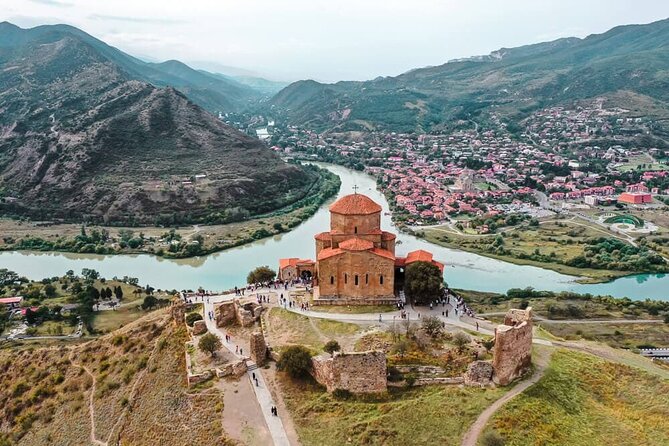
- Jvari Monastery: the sixth-century stop that puts Mtskheta in context
- Mtskheta Old City: an ancient base for Georgia’s story
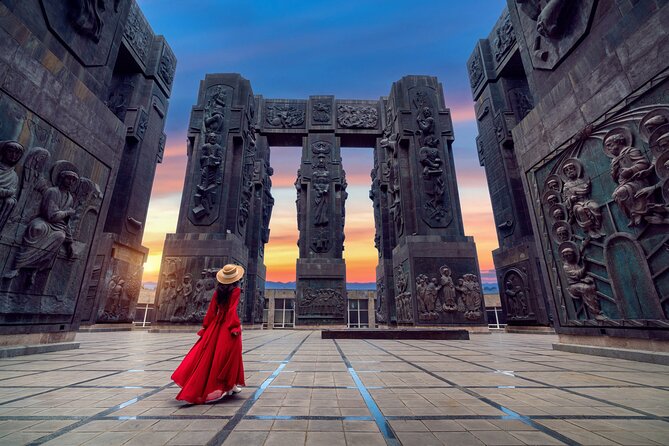
- Chronicles of Georgia: a quick art stop with a big name behind it
- Back to Tbilisi: Leghvtakhevi Waterfall and a local hangout feel
- Svetitskhoveli Cathedral: the main sacred stop in Mtskheta
- Shardeni Street: a small pedestrian lane where the city breathes
- Historic bathhouses: hot sulfur pools and optional add-ons
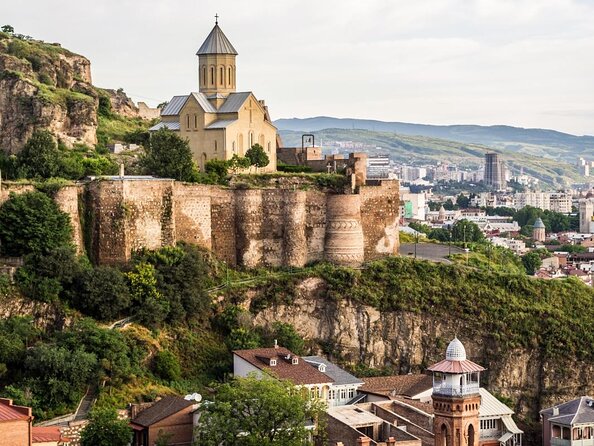
- Metekhi Cathedral and the Bridge of Peace: old faith meets city modernity
- Narikala Fortress and the cable car: the view you came for
- Central Tbilisi walking stops: Liberty Square, Rustaveli Avenue, and Meidan Bazaar
- What the guide really adds (especially on a full itinerary)
- Tips so the day feels good (not just busy)
- Should you book this Tbilisi and Mtskheta private day trip?
- FAQ
- What time does the tour start?
- How long is the private tour?
- Is hotel pickup and drop-off included?
- Is this tour private?
- Are entrance tickets included?
- Is lunch included in the price?
- What’s included besides the guide?
- What is the cancellation policy?
Key highlights worth your attention
- Hotel pickup + drop-off means no guessing where to meet
- Mtskheta + Jvari + Svetitskhoveli for UNESCO-grade history in one loop
- Cable car ride included for easier fortress access and better views
- Admission tickets listed as free at the stops, so fewer surprise charges
- Leghvtakhevi Waterfall + Shardeni Street add local Tbilisi flavor between monuments
- Optional bathhouses with hot sulfur pools (massage/rooms may cost extra)
How the private setup saves time in Tbilisi
The simplest way to describe this tour is: it reduces friction. You start with pickup from your hotel in Tbilisi at 10:00 am, and you end with drop-off back at the same kind of convenience. That matters in Tbilisi because sights are spread out, and you can easily lose an hour just figuring out transport or where the group is waiting.
This is also a private tour, meaning it’s just your group. No swapping guides, no “wait for five more people,” and no pace that’s driven by strangers. You’ll still have guided walks and viewpoints, but the day stays focused and predictable.
You’ll also get bottled water and 24-hour online support, which is a comfort when you’re in a foreign city and don’t want to hunt down answers. Plus, the tour uses a mobile ticket, which helps if you don’t want paper.
More Mtskheta and Jvari UNESCO runs we have made from Tbilisi
Price and value: what $110 per person is really buying
At $110 per person for about 8 hours, the value comes from what’s bundled together:
- private vehicle transportation between dispersed locations
- a professional guide service
- pickup/drop-off
- a cable car ride
- bottled water
- online support
Entrance costs look minimal on this itinerary because each stop is listed with Admission Ticket Free. Lunch, though, is listed as not included, so you’re paying for the sightseeing day—not a restaurant meal.
So the trade-off is: you’re paying for organization. If you’re happy DIY-ing and you already know how you want to connect Tbilisi with Mtskheta (and you don’t mind timed buses, taxis, or meeting friends with time drift), you might spend less on your own. If you want a clean route with a guide who explains what you’re seeing, this price is pretty sensible.
Tbilisi start: getting oriented before the monuments
Your day begins with pickup and a quick first stop in Tbilisi. Even if the first location doesn’t feel like the “main event,” it’s useful for orientation—especially when your later stops include viewpoints, old streets, and multiple churches.
From there, the tour shifts toward the Mtskheta side (with UNESCO context), then returns back into central Tbilisi for historic streets and modern city icons. That back-and-forth is one reason this route works well for first-time visitors: you get the “old Georgia” story and then you see how daily life moves through the city.
Jvari Monastery: the sixth-century stop that puts Mtskheta in context
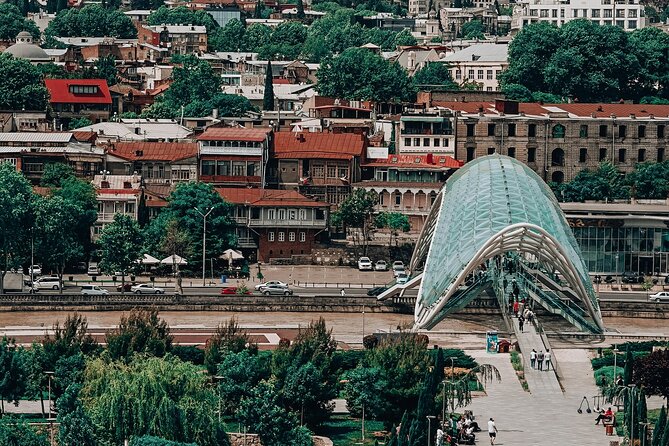
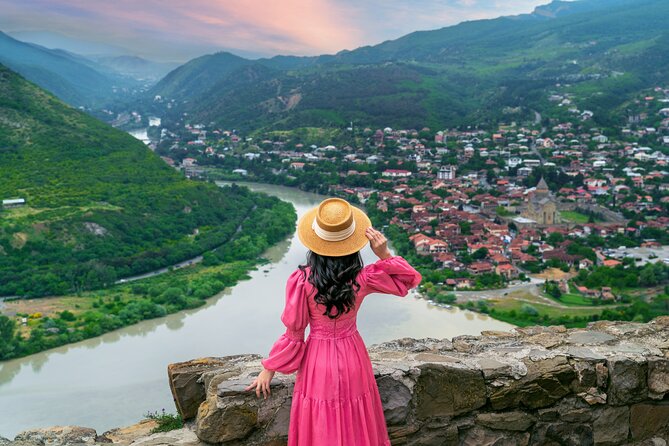
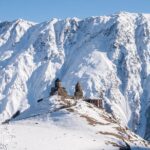
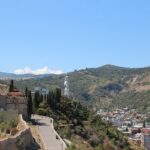
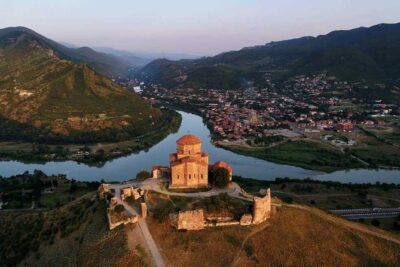
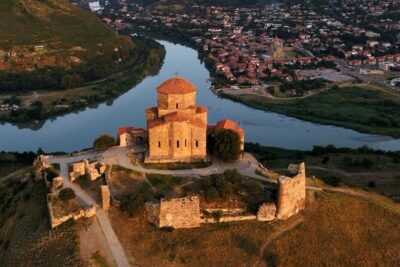
The day trip moves to Jvari Church (Jvari Monastery), described as a sixth-century Georgian Orthodox monastery near Mtskheta. Jvari is one of those places where the setting helps you understand the importance of the whole area.
You’ll get around 30 minutes here. That’s enough time to take in the viewpoint feel and listen to the guide’s explanation of why this location matters in the wider Mtskheta story. The listing also calls out that Jvari, along with other Mtskheta historic structures, is part of a UNESCO World Heritage grouping.
Practical note: churches often mean a cooler, calmer mood—great for a short break in the itinerary. Wear shoes you’re comfortable standing in, because monastery terrain isn’t always flat.
Mtskheta Old City: an ancient base for Georgia’s story
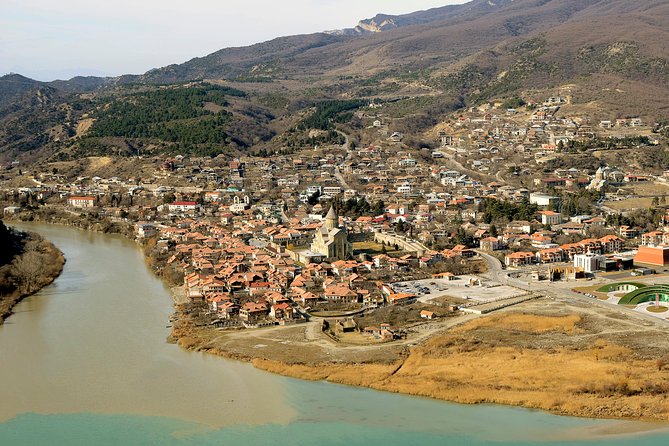
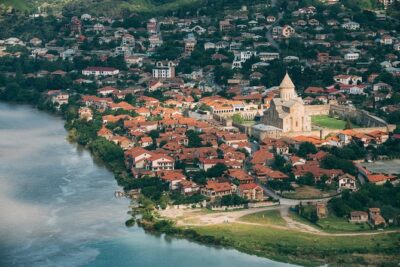
Next comes Mtskheta, noted as one of Georgia’s oldest cities. The tour description ties it to the Meschian tribes in the 5th century and emphasizes its monuments and UNESCO recognition.
You’ll spend about 1 hour here, which is a solid amount for a guided overview. In that time, you should expect your guide to connect the dots between the sacred sites and the city’s role in regional history—what came first, what the churches represent, and how the area’s identity formed.
Because your time is limited, Mtskheta works best when you treat it like a “spotlight visit.” You’re not trying to master every detail. You’re trying to leave knowing why these specific monuments were placed here—and why people still care.
More private Tbilisi tours at your own pace





Chronicles of Georgia: a quick art stop with a big name behind it
Then the itinerary includes Chronicles of Georgia, a work created by Zurab Tsereteli, a sculptor, painter, and architect. The description says Tsereteli resides in Moscow, and it also hints that many of his works are there.
You’ll get about 30 minutes at this stop, which makes it a nice change of pace from church architecture. It also gives you a chance to ask the guide about modern Georgian cultural interpretation—how public art fits into national memory and what it’s meant to communicate.
If you like mixing “old stone” with “modern meaning,” this is one of the smarter time fillers in the day.
Back to Tbilisi: Leghvtakhevi Waterfall and a local hangout feel
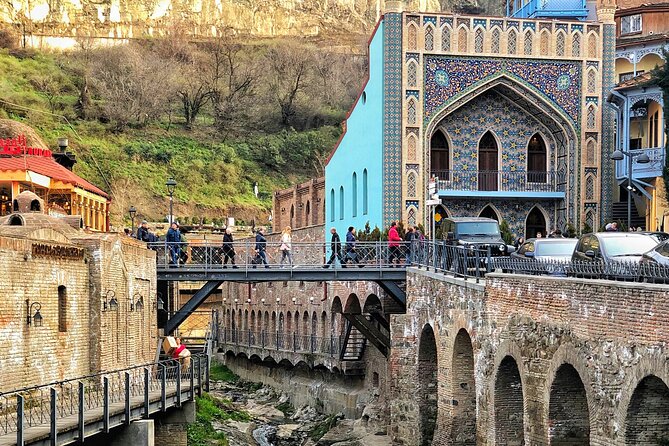
The route heads back into Tbilisi for Leghvtakhevi Waterfall, placed in the very center of the city and described as loved by both locals and travelers.
You’ll have around 20 minutes. That’s short, but it’s the right length for a quick reset during a long day. It’s also a reminder that Tbilisi isn’t only churches, fortresses, and museums. Water, alleys, and small city surprises matter too.
This is a good stop to take photos, grab a moment of air, and prepare for the larger cathedral and old-town walking segments coming up next.
Svetitskhoveli Cathedral: the main sacred stop in Mtskheta
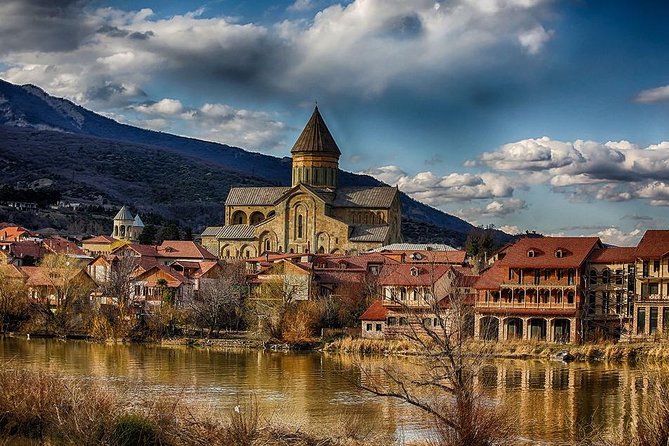
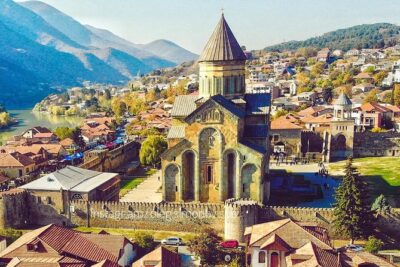
No Mtskheta day trip feels complete without Svetitskhoveli Cathedral. The description calls it an Eastern Orthodox cathedral in Mtskheta, “northwest” of Tbilisi, and highlights it as a masterpiece of the Early Middle Ages.
You’ll spend about 1 hour here. That longer block compared to some other stops is usually where your guide’s explanations make the biggest difference. You’ll likely hear about why Svetitskhoveli is so central to the area’s spiritual identity—and how it ties into Georgia’s broader historical narrative.
Dress and etiquette matter in Orthodox churches. Plan for a respectful look and keep your pace steady. Also, because the stop is popular, you may want to be patient and accept that the day’s rhythm depends on what’s happening on-site.
Shardeni Street: a small pedestrian lane where the city breathes
After the cathedral, the itinerary goes to Jan Shardeni Street, described as a small pedestrian street and one of the city’s centers for cultural and social life.
You’ll have about 20 minutes here. I like this kind of stop because it breaks up religious monuments with something more human: a place where you can sense the daily flow of Tbilisi—shops, foot traffic, and the “slow walk” vibe that you usually can’t get from viewpoint photos alone.
If you want a souvenir, this is the type of place where you’ll actually browse instead of rushing.
Historic bathhouses: hot sulfur pools and optional add-ons
A highlight of the Tbilisi side is a stop for historic bathhouses with pools of hot, sulfur-rich water. The description notes optional private rooms and massage.
The key thing here is that this isn’t presented as a single uniform experience. It’s more like a chance to add a classic Tbilisi ritual if it fits your day and your budget.
Since “optional” is doing a lot of work, treat the bathhouse as flexible. If you’re curious, ask your guide what’s realistic within your time. If you’re short on energy, you can treat it as a viewing and refresh stop.
One way or another, this helps balance the day: after churches and fortresses, you get something that feels local and bodily—exactly the kind of change that keeps an 8-hour trip from feeling like one long march.
Metekhi Cathedral and the Bridge of Peace: old faith meets city modernity
Two more Tbilisi landmarks follow:
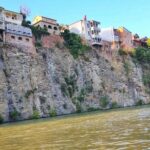
- Metekhi Cathedral (Virgin Mary Metekhi church): listed as on the left bank of the Mtkvari River, on a cliff plateau. The tour description says the first church on this place was probably built by Vakhtang Gorgasali, with a symbolic resemblance to another church built on virgin ground. You’ll have about 20 minutes.
- Bridge of Peace: a bow-shaped pedestrian bridge made of steel and glass, illuminated with LEDs, crossing the Kura River. You’ll have about 15 minutes.
Why I like this pairing is the contrast. One stop connects you to older religious layers tied to rulers and place. The other gives you a modern visual you can enjoy quickly without needing a long visit. Together, they help you see Tbilisi as both historic and still actively changing.
Narikala Fortress and the cable car: the view you came for
The itinerary ends up at Narikala Fortress, overlooking Tbilisi and the Mtkvari River. The description explains that the fortress has two walled sections on a steep hill between the sulfur baths and the botanical garden.
You’ll get about 30 minutes here. With a cable car ride included, this is also a practical stop. Cable car time is built for the “uphill problem” so you can spend more of your limited hours on the view and the story rather than fighting steep climbs.
This is where you’ll feel the shape of the city: rivers, rooftops, old walls, and the contrast between the hilltop viewpoints and street-level life. If you like getting “oriented from above,” don’t rush.
Central Tbilisi walking stops: Liberty Square, Rustaveli Avenue, and Meidan Bazaar
To close out the day, you’ll pass through several city-center icons:
- Liberty Square (Freedom Square): the description lists multiple historical names tied to different eras of rule, and notes it’s in the center of Tbilisi. (About 10 minutes.)
- Rustaveli Avenue: the central avenue named after medieval Georgian poet Shota Rustaveli, running about 1.5 km from Freedom Square. (About 15 minutes.)
- Meidan Bazaar: presented as a place for souvenirs like postcards and magnets, with a note that locals often don’t need them—so you’re shopping with a tourist-friendly purpose. (About 30 minutes.)
These stops are shorter, but they serve a job: they connect the monuments to how the city functions today. If you want a simple souvenir run and a final taste of Tbilisi’s street energy, this is exactly where to do it without adding extra transportation.
What the guide really adds (especially on a full itinerary)
This type of day trip works because of the guide. The description promises cultural and historical insight, and the reviews back up the human side: Nugo is mentioned as friendly, and many people highlight that the experience felt safe and enjoyable.
A good guide doesn’t just recite dates. They help you notice what’s in front of you—why Jvari is positioned where it is, why Svetitskhoveli matters, and how Metekhi and Narikala fit into the city’s layered story.
With short time windows at each stop, guidance is what turns “I saw a building” into “I understand why it’s here.”
Tips so the day feels good (not just busy)
A few practical things I’d do to make this route easier on your body and your brain:
- Plan a snack for between stops. Lunch isn’t listed as included.
- Wear comfortable shoes for churches and viewpoints, especially near Narikala.
- Keep your camera ready but don’t obsess. The best learning often happens when you slow down for 60 seconds and listen.
- If you want the bathhouse experience, decide early so you don’t lose time in the moment. Optional add-ons can affect pacing.
Should you book this Tbilisi and Mtskheta private day trip?
Book it if you want a guided, organized, first-timer-friendly day that connects Tbilisi and Mtskheta without transport stress. It’s a strong choice for people who value convenience—pickup/drop-off, private vehicle, and an itinerary that’s already stitched together for you.
Skip it (or consider a lighter version) if you hate schedules and want long, quiet museum-style visits. This is built for seeing key sites within about 8 hours, so it rewards energy and curiosity more than lingering.
If your goal is UNESCO Mtskheta + major Tbilisi icons in one day, this private setup is one of the more practical ways to do it.
FAQ
What time does the tour start?
The tour start time is 10:00 am.
How long is the private tour?
The duration is listed as 8 hours (approx.).
Is hotel pickup and drop-off included?
Yes. The tour includes pickup from your hotel and drop-off back at your hotel.
Is this tour private?
Yes. It’s a private tour/activity with only your group participating.
Are entrance tickets included?
The itinerary lists Admission Ticket Free for the stops, so entrance tickets are shown as free for these visits.
Is lunch included in the price?
No. Lunch is not included.
What’s included besides the guide?
Included items are private transportation, a professional guide, a bottle of water, a cable car ride, mobile ticket, and 24 hour online support.
What is the cancellation policy?
You can cancel for free up to 24 hours in advance for a full refund. If you cancel less than 24 hours before the start time, the amount paid is not refunded.
More Private Tbilisi Days with Your Own Guide
More from Our Tbilisi Review Desk



More Mtskheta and Jvari UNESCO Runs


Not quite your thing? More Tbilisi tours and day trips from our review desk







Mtskheta & Jvari UNESCO Trips, compared.
 ★ 5.0Day Trip to Mtskheta Gori and UplistsikheFrom $291,801 reviews
 ★ 5.0Mtskheta,Jvari,Bazaar,wine tasting,Chronicles of GeorgiaFrom $20730 reviews
 ★ 5.0Mtskheta-Gori-UplistsikheFrom $90112 reviews
 ★ 4.5Mtskheta, Jvari, gori, uflistsikhe, history and panorama (group tours)From $19107 reviews
 ★ 5.0Mtskheta-Jvari-Uplistsike-Chronicle of Georgia, PRIVATE TripFrom $68105 reviews
 ★ 4.5Tbilisi – Mtskheta – Jvari. Full City Tour on Hop On Hop Off BusFrom $4091 reviews
 ★ 4.5Ancient Georgia Group Tour: Mtskheta,Jvari, Gori, UplistsikheFrom $2473 reviews
 ★ 5.0Ancient Mtskheta and Chronicle of Georgia half day tourFrom $6566 reviews
Browse the lists this tour appears in