
Reviewed · MTSKHETA & JVARI UNESCO TRIPS
Full Day Tour of Tbilisi and Mtskheta
Two capitals in one day is the sweet spot. This full-day small-group route strings together UNESCO-listed Mtskheta and Tbilisi’s old-core highlights, with a guide who explains the religious and historic why behind each stop. I especially like the hilltop payoff at Jvari and the way the day blends big-picture stories with real streets, from Narikala down through Abanotubani and Shardeni. A real consideration: church access can be restricted during services on Saturday evenings, Sunday mornings, and religious holidays, so your order may shift.
What also sold me is the human side: guides such as Maia, Anna, Eka, and Ana are repeatedly described as funny, fluent in English, and good at keeping the pace friendly. It is not a huge crowd day, and the included bottled water and transportation help you focus on photos and questions. The one drawback to weigh is value versus price: at $158 per person, it is not the cheapest option, and one review flagged it as slightly high compared with standard tours.
In This Review
- Key Things to Know Before You Go
- A One-Day Plan for UNESCO Mtskheta and Tbilisi’s Old Core
- Timing and Transport: How the 10:00 Start Shapes the Day
- Jvari Monastery Views: The Confluence of Aragvi and Mtkvari
- Svetitskhoveli Cathedral: Sacred Meaning Behind the Stones
- Walking Mtskheta: Wine Shop Stops and Samtavro’s Medieval Calm
- Narikala Fortress by Cable Car: Ruins Plus Big Tbilisi Views
- Abanotubani to Shardeni Street: Hot Springs Legend to Old Town Browsing
- Metekhi Cathedral Finish: A 13th-Century Stop on the Plateau
- Price and Value for Money at $158 per Person
- Who Should Book This Tour (and When to Pass)
- Should You Book This Tour?
- FAQ
- How long is the Tbilisi and Mtskheta full-day tour?
- Where does the tour start?
- What time does the tour begin?
- Is transportation and a guide included?
- Are entrance fees included?
- Is this tour private?
- What if the tour date falls on Sunday or a religious holiday?
Key Things to Know Before You Go
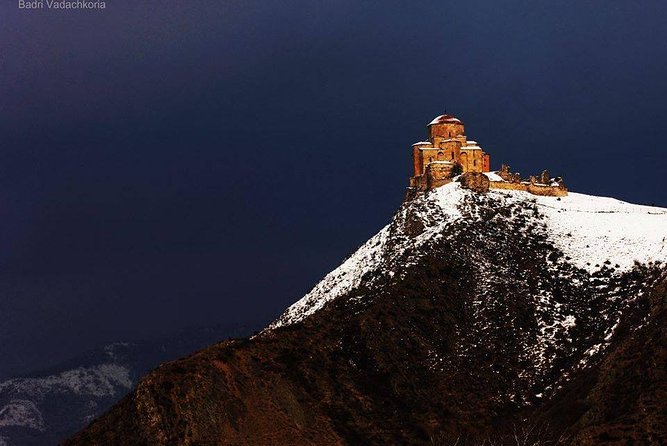
- Jvari Monastery on a hill: 6th-century views over the confluence of the Aragvi and Mtkvari rivers
- Svetitskhoveli Cathedral: a major sacred site tied to the story of Christ’s robe
- Cable car to Narikala: a fast way to reach fortress ruins and then descend toward the baths district
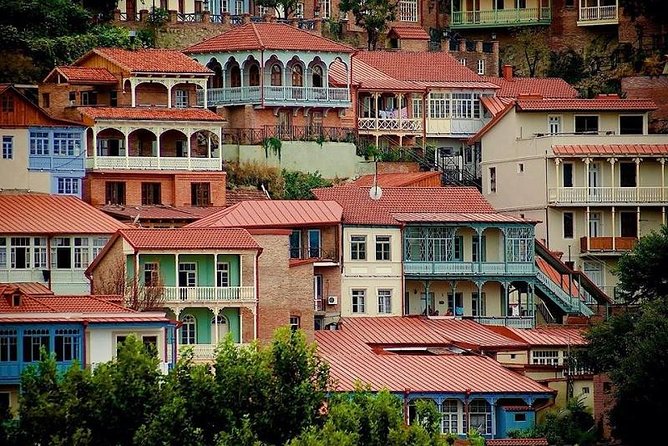
- Abanotubani legend and sulfur-bath area: old Tbilisi built around hot springs
- Old Town walk time: Meidan, Shardeni, Cotton Row, and Iron Row for browsing and snacks
- Church-service timing matters: entry can be prohibited during services, and the order may change
A One-Day Plan for UNESCO Mtskheta and Tbilisi’s Old Core
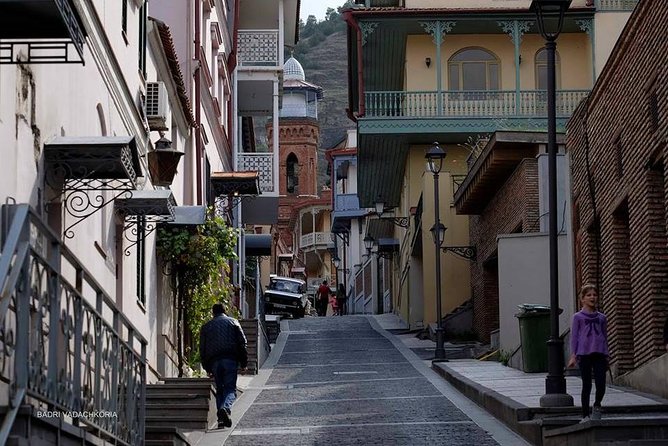
If you like your travel days packed but not chaotic, this route makes sense. You trade the guesswork of local transit for a single plan that links Mtskheta’s UNESCO sites with Tbilisi’s most atmospheric districts.
I like that the day has two different rhythms. Morning is slower and contemplative around monasteries and cathedrals. Afternoon turns into viewpoints, ruins, and street wandering, where you can actually feel how Tbilisi grew around its hot springs and markets.
More Mtskheta and Jvari UNESCO runs we have made from Tbilisi
Timing and Transport: How the 10:00 Start Shapes the Day
You meet at the Giant Bicycle monument near Rose Revolution Square in Tbilisi at 10:00 am. The tour runs about 7 hours 40 minutes, and it ends back at the same meeting point, so you are not left scrambling for transport at the end of a long day.
Transportation is included, and so are bottled water and entrance fees. That matters more than it sounds: you lose less time at ticket windows or figuring out routes, and you can stay present with the guide while the van handles the road between Tbilisi and Mtskheta.
Comfort note: it is not a sit-and-stare day. Expect hills, uneven stone, and steps, especially on the way from the fortress down toward the old neighborhoods.
Jvari Monastery Views: The Confluence of Aragvi and Mtkvari
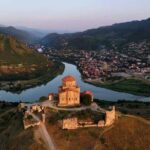
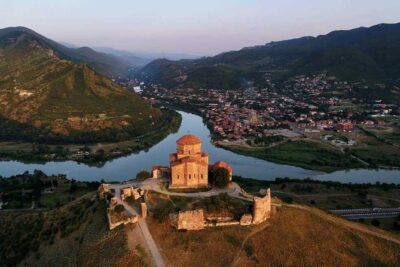
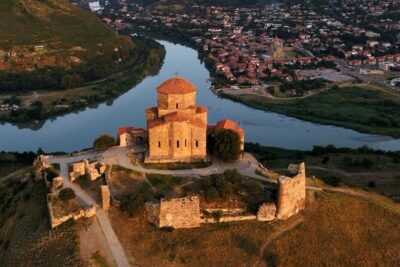
Jvari is where the day first turns scenic. You start with Jvari Church/Monastery, dating to the 6th century, perched on a hill above Mtskheta. The big moment here is the view: you look out over the town and the meeting of the rivers Aragvi and Mtkvari.
This stop is also valuable because it is not just about a pretty panorama. With the guide’s explanations, you get the context for why this spot mattered to early Georgian Christianity and why the site feels both remote and central at the same time.
Practical tip: dress for weather. The tour operates in all weather conditions, and hilltop stops can feel colder or breezier than you expect from the city.
Svetitskhoveli Cathedral: Sacred Meaning Behind the Stones
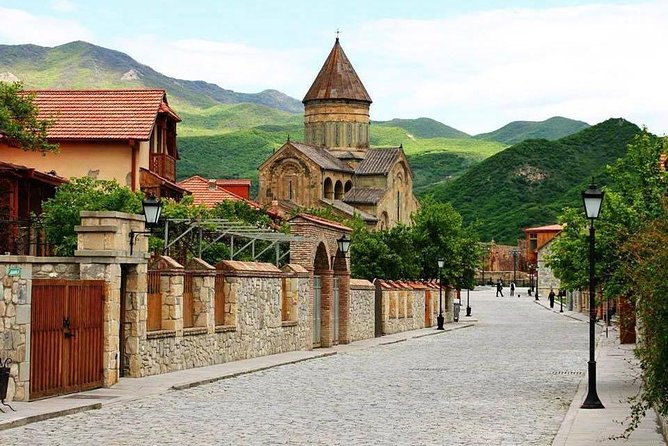
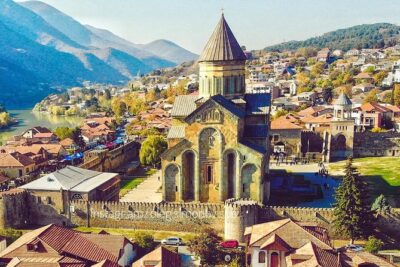
After Jvari, you drive down to Svetitskhoveli Cathedral, one of Georgia’s most sacred places. The key detail I’d be sure to know going in is the story attached to it: it is said to preserve Christ’s robe.
This is a stop where a guide earns their pay. The architecture is impressive, but the stronger value is learning what you are looking at—how the building fits into Georgia’s religious identity, not just a checklist of features.
Watch for access rules. Entry to places of worship can be prohibited during services, including Sunday mornings and Saturday evenings and religious holidays. If your day hits one of those times, the tour order can be switched so you still get the main sights.
Walking Mtskheta: Wine Shop Stops and Samtavro’s Medieval Calm
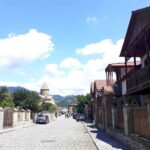
Mtskheta is small, and that works in your favor. After the cathedral, you get time to walk in the City-Museum Reserve of Mtskheta, with space for a relaxed pace rather than a sprint.
One practical touch: there is a local wine shop stop where you can buy Georgian wines. This is a good moment to pick up a souvenir that actually tastes like place, not a generic bottle. Alcohol rules apply in general (minimum drinking age is 18), so just plan accordingly.
Then comes Samtavro Church (Samtavro Monastery), a medieval monastery in the historical part of town. This stop adds a different tone: less thunderous than a cathedral, more human-scale. You often feel like you are in a living religious setting rather than a museum room.
Time management note: the Mtskheta section includes multiple short stops. It feels full, but the structure is designed so you do not miss the key layers—hilltop, cathedral, then calmer monastery corners.
More Old Tbilisi walking tours through the balconied backstreets




Narikala Fortress by Cable Car: Ruins Plus Big Tbilisi Views
Back in Tbilisi, the tour shifts gears with Narikala Fortress. You take an aerial cable car up to the fortress area, then explore the ruins and walk down toward the sulfur-bath districts.
The best reason to like this part is the combination of perspective and progression. From above, you get broad city views. Then you come down from the fortress into neighborhoods with character, where the city’s older identity shows up in small details.
A real-world flexibility point: one recent experience described the aerial cable car being down and the group using a funicular instead. So if you show up with cable-car worries in your head, try to keep it light; the day is set up to keep moving.
Comfort note again: going from fortress to the bathhouse zone is where steps and uneven footing matter. If you have mobility concerns, mention it to your guide so they can guide your route and pacing.
Abanotubani to Shardeni Street: Hot Springs Legend to Old Town Browsing
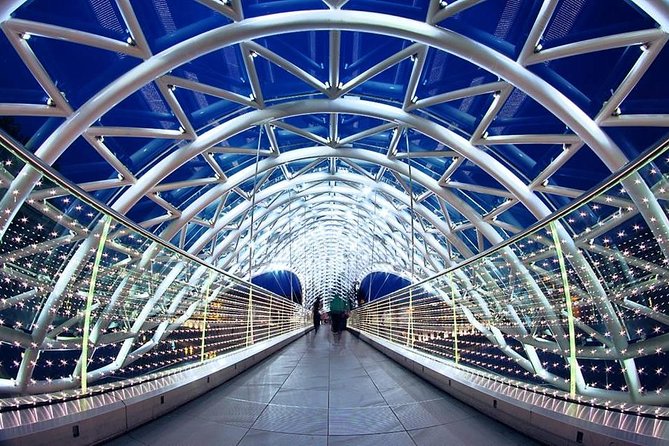
This is where Tbilisi starts feeling like Tbilisi. You visit Abanotubani, the historic sulfur-bath district by the Mtkvari River, at the foot of Narikala. The guide context is key here: the area is tied to a legend about King Vakhtang Gorgasali’s falcon falling and leading to discovery of the hot springs and the founding of the new capital.
After that, you move toward Meidan Square and the nearby Shardeni Street area, plus Cotton Row and Iron Row. This is a practical browsing zone: souvenir shops, art galleries, and cafés are all around, which makes it easier to snack or pause without feeling like you are in a rush.
There is also mention of a small waterfall in the Legvtakhevi area along the way. It is the kind of detail that makes a walk feel like more than just transit.
If you want photos: focus on doorway colors, bathhouse architecture, and the way the streets step downhill from the viewpoint zones. The day’s design gives you that gradual reveal from high to low.
Metekhi Cathedral Finish: A 13th-Century Stop on the Plateau
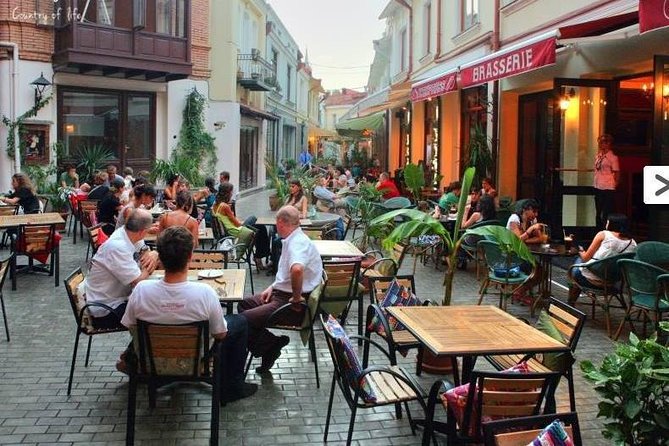
You leave the old-town browsing areas and drive to the Metekhi plateau and church, a 13th-century monument. This stop is a smart way to end the afternoon because it gives you a final anchor point in the city’s historic core.
Even if you have been walking for hours, this is the kind of stop that lets you reset. You get another religious landmark, more context, and a chance to look back over the day as a coherent story: monastery hills, cathedral sacred meaning, then Tbilisi’s hot springs and old streets.
Price and Value for Money at $158 per Person
At $158 per person, you are paying for a guide, transportation, and entrance fees—plus the time saved by having a plan that links two destinations in one day. The included items reduce the hassle factor: bottled water, all entrances marked free, and no need to coordinate separate tickets or transit yourself.
So where is the value? In the guide work and the pacing. Multiple guide experiences were praised for English fluency, humor, and providing context that makes the sites click. People also liked the way the day covers the major highlights of both Tbilisi and Mtskheta without feeling rushed or superficial.
The trade-off is that this is not the cheapest style of sightseeing. One review noted it felt a bit expensive versus normal tours. If you are purely price-driven and happy to DIY, you might compare options. But if you value a smooth, structured day with a capable guide, the price starts to look more reasonable.
One more practical note: meals are not included. If you want lunch, budget for it. Some departures may include time for local food in a way that feels bonus-like, but you should plan on meals being on your own.
Who Should Book This Tour (and When to Pass)
This tour fits best if you want:
- A guided day focused on UNESCO sites in Mtskheta and Tbilisi’s historic districts
- English commentary and context, not just photos
- A mix of viewpoints, churches, and street time in one continuous route
You might consider passing if:
- You cannot handle hills and steps, since Narikala and the descent into Abanotubani involve uneven terrain
- You dislike religious-site restrictions and church-service timing. Access can be limited on certain days, and the tour order may shift.
Should You Book This Tour?
I’d book it if you want one day that connects the dots: Georgian Christianity at Jvari and Svetitskhoveli, then Tbilisi’s old-world layout from Narikala to Abanotubani and Shardeni. The included transport and entrances make it low-stress, and the repeated praise for guides like Maia, Anna, Eka, and Tamara suggests you will likely get more meaning than a basic sightseeing pass.
If you are flexible on timing around services and you wear comfortable shoes, this is a strong way to see a lot without feeling lost.
FAQ
How long is the Tbilisi and Mtskheta full-day tour?
It runs for approximately 7 hours 40 minutes.
Where does the tour start?
It starts near the Giant Bicycle monument by Rose Revolution Square in Tbilisi, Georgia, and you also return back there.
What time does the tour begin?
The start time is 10:00 am.
Is transportation and a guide included?
Yes. You get a professional guide/driver service and transportation.
Are entrance fees included?
Yes. All entrance fees are included.
Is this tour private?
It is listed as a private tour/activity, meaning only your group participates.
What if the tour date falls on Sunday or a religious holiday?
Entrance to places of worship is prohibited during church services on Sunday mornings, Saturday evenings, and religious holidays. The tour order can be switched to start in Tbilisi first if needed.
More from Our Tbilisi Review Desk



More Old Tbilisi Walking Tours
More Mtskheta and Jvari UNESCO Runs

Not quite your thing? More Tbilisi tours and day trips from our review desk




Mtskheta & Jvari UNESCO Trips, compared.
 ★ 5.0Day Trip to Mtskheta Gori and UplistsikheFrom $291,801 reviews
 ★ 5.0Mtskheta,Jvari,Bazaar,wine tasting,Chronicles of GeorgiaFrom $20730 reviews
 ★ 5.0Mtskheta-Gori-UplistsikheFrom $90112 reviews
 ★ 4.5Mtskheta, Jvari, gori, uflistsikhe, history and panorama (group tours)From $19107 reviews
 ★ 5.0Mtskheta-Jvari-Uplistsike-Chronicle of Georgia, PRIVATE TripFrom $68105 reviews
 ★ 4.5Tbilisi – Mtskheta – Jvari. Full City Tour on Hop On Hop Off BusFrom $4091 reviews
 ★ 4.5Ancient Georgia Group Tour: Mtskheta,Jvari, Gori, UplistsikheFrom $2473 reviews
 ★ 5.0Ancient Mtskheta and Chronicle of Georgia half day tourFrom $6566 reviews
Browse the lists this tour appears in