
Reviewed · DASHBASHI CANYON & GLASS BRIDGE
Dashbashi Canyon. The village of Asureti and Didgori monument.
Canyons, villages, and one big monument. This day trip strings together Asureti’s German-colony past, a scenic stop at Lake Algeti, and major photo time at Dashbashi (Tsalka) Canyon—then tops it with the Didgori monument. I especially like how it’s paced for pictures without feeling rushed, and how the group size stays small (max 15), which helps the price stay reasonable. One thing to consider: the canyon entrance fee is not included, and winter weather can affect the Didgori stop.
I also like the practical setup: an easy-to-find meeting point in Tbilisi and round-trip transportation that gets you out to the canyon. It runs in English and uses a mobile ticket, so you avoid printing hassles. The main drawback I’d watch for is operational consistency—good days seem to be smooth, but you’ll want to pay close attention to pickup timing and instructions.
In This Review
- Key things to know before you go
- Tbilisi to Dashbashi in 8 hours: what the day really feels like
- Price and logistics: what $42 covers, and what costs extra
- Stop 1: Asureti village and its German-colony story
- The Lake Algeti photo break on the way out
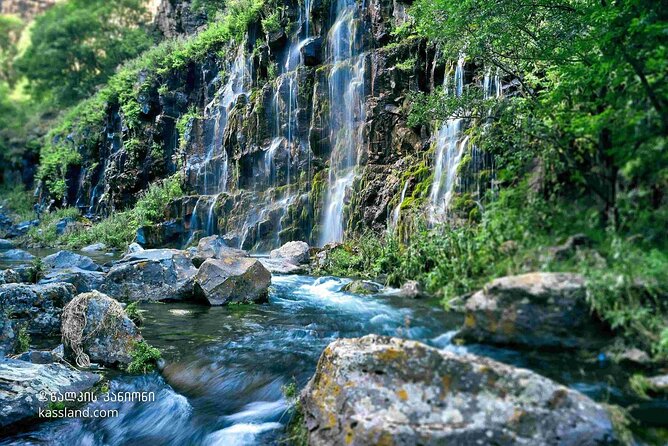
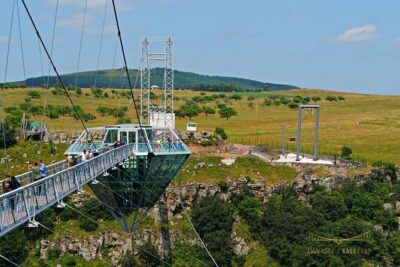
- Dashbashi (Tsalka) Canyon: the 4-hour centerpiece for photos
- Didgori Valley and the David the Builder monument on Mount Didgori
- Group size, guide service, and pace: where this trip wins
- Who this tour fits best (and who should choose something else)
- Should you book this tour from Tbilisi?
- FAQ
- What time does this tour start?
- How long is the tour?
- Where is the meeting point?
- How big is the group?
- Is the tour offered in English?
- Is a mobile ticket provided?
- Is the Dashbashi Canyon entrance ticket included?
- How much is the Dashbashi Canyon ticket?
- What happens to the Didgori Valley stop in winter?
Key things to know before you go
- Asureti’s German architecture, including a church built in 1871
- A scenic Lake Algeti stop on the drive out of Tbilisi
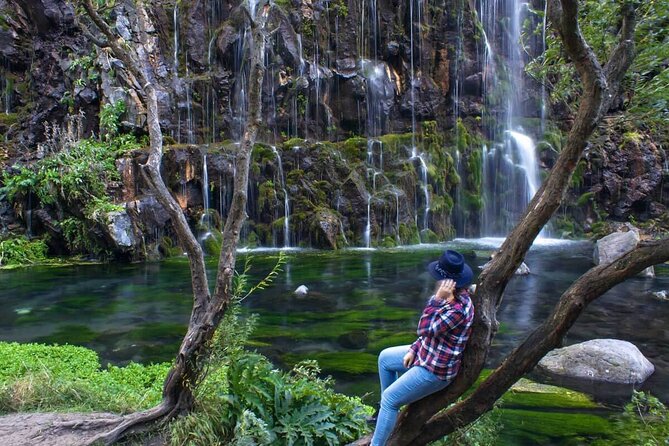
- Dashbashi Canyon photo time with a long 4-hour window
- Didgori Valley monument view from Mount Didgori overlooking Tbilisi
- Small group (up to 15), which helps keep costs down
- Canyon entry not included (ticket costs 18 USD / 49 GEL)
Tbilisi to Dashbashi in 8 hours: what the day really feels like
This is one of those “one loop, several worlds” trips. You start in central Tbilisi at 10:00 am and get transported out toward the Dashbashi area, with planned stops along the way. The day runs about 8 hours total, and it ends back at the same meeting point.
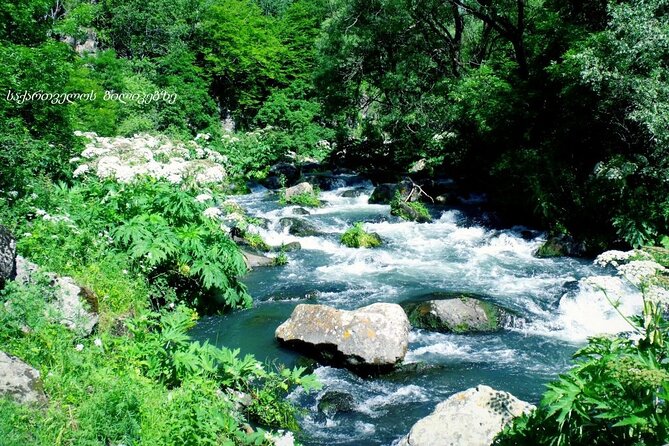
The tone is photo-friendly and practical. You’re not just passing by on a bus; you get real time at the key locations. The canyon stop alone takes up 4 hours, which is rare for a day trip and tells you the operator wants you to actually enjoy the views, not just snap a quick shot and go.
What makes it work is the variety. You’ll go from a quiet, older village atmosphere at Asureti, to water-and-view scenery at Lake Algeti, to the dramatic canyon itself, and then into a historical viewpoint at Didgori. If you like your day trips to feel like a story with chapters, this has that.
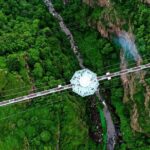
More Dashbashi Canyon and glass-bridge days we have crossed from Tbilisi
Price and logistics: what $42 covers, and what costs extra
The listed price is $42 per person. For that, you’re getting guide service plus comfortable service and transportation out to the canyon. That matters in Georgia day trips because driving yourself means dealing with timing, roads, and parking. Here, the transportation is handled.
But there’s one big add-on to budget for: Dashbashi Canyon entrance. The canyon ticket costs 18 USD (49 GEL) and is not included. So your realistic total is closer to about $60 per person once you add that in, assuming you’re also paying it onsite.
Also plan for meals. Dinner isn’t included, so if you’re hungry later in the day, you’ll want to eat before you go or plan your own snack strategy. The tour is long enough that you’ll appreciate some flexibility.
Finally, the tour is English-speaking and uses a mobile ticket, which is convenient if you’re juggling a busy trip schedule. One more scheduling note: it tends to be booked about 21 days in advance on average, so if you want a spot on your ideal date, don’t wait until the last week.
Stop 1: Asureti village and its German-colony story
Asureti is the opening act—and it’s a smart one. You get about 30 minutes here, free entry, and a chance to step into a part of Georgia that feels less “touristy” and more oddly specific.
Here’s the core story: the village was deserted in the 18th century after enemy invasions. In the 1920s, Tsarist Russia brought in German colonists, establishing a German colony called Elizabeth. That historical mix is why you’ll notice German-style architecture rather than the Georgian look you may expect.
The highlight is an old German church built in 1871, which has survived. Even with only half an hour, that gives you something concrete: a real structure to look at, not just scenery. This is the kind of stop that rewards curiosity. You’ll likely spend time looking at details—the building shapes, materials, and how the village layout fits together.
A practical caution: with only 30 minutes, Asureti is best for quick exploration. If you want deep photos and a long wander, keep expectations in check. Think of it as a short history-and-architecture pause.
The Lake Algeti photo break on the way out
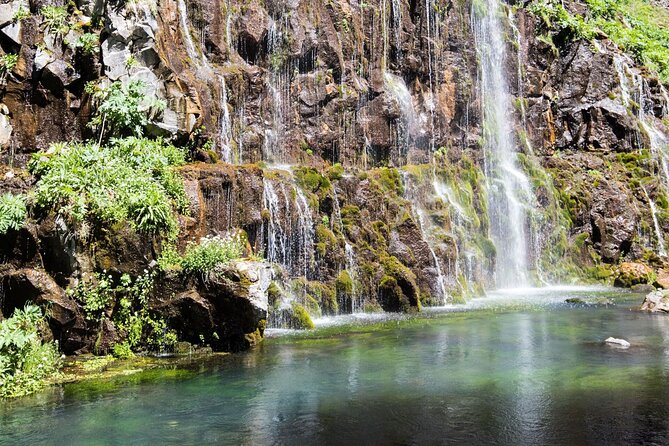
Between Tbilisi and the canyon, you’ll stop at Lake Algeti for about 25 minutes. Entry is free. The point here is simple: views.
This stop is useful because it breaks up the drive. It also gives you an easy win for photos without needing to chase locations. If you’re the type who likes to capture at least one “calm water” shot before switching to dramatic canyon shots, this delivers.
The time is short, though. Don’t count on a long lakeside walk. Treat it as a look-around moment: quick photos, enjoy the air and angle, then back to the vehicle when the timing calls for it.
Dashbashi (Tsalka) Canyon: the 4-hour centerpiece for photos
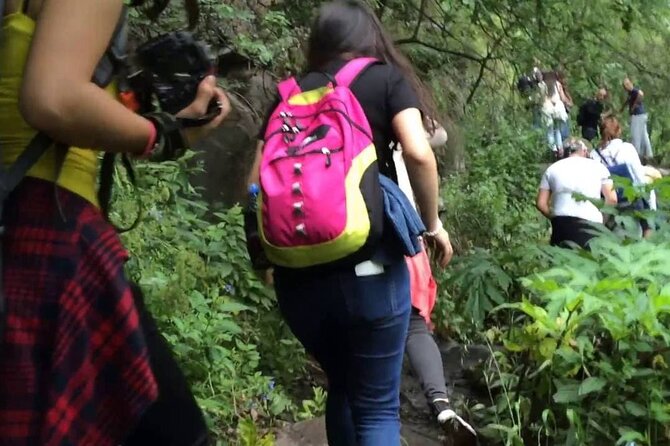
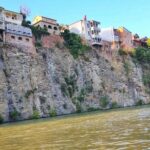
If your priority is canyon scenery, this is the main event. The stop at Dashbashi Canyon lasts 4 hours, which is plenty of time for both photos and a more relaxed pace than most day trips.
The tour also frames the canyon as renewed, referring to Tsalka (Dashbashi) canyon—so you’re going for places where visitors can access good viewpoints and walk around long enough to get variety. The guiding principle is clearly photography: you’re encouraged to take plenty of photos along the way.
Cost note again: canyon entry is not included. The ticket price is 18 USD / 49 GEL. If you’re trying to control spending, check how the provider handles payments for the entrance fee on the day—just make sure you have the money ready.
What I like most about a canyon stop with this much time is that you can adjust to the conditions you’ll actually find. Morning light, afternoon angle, and weather all change how canyon colors and shadows look. Four hours gives you the chance to wait for a better angle instead of rushing through on a tight schedule.
What to keep in mind: the tour is designed around viewpoints and photos, but you should still expect some walking on the ground. Wear footwear you feel comfortable in for uneven surfaces, and don’t plan to spend all four hours moving at a sprint pace. The best canyon photos usually come from slowing down.

Didgori Valley and the David the Builder monument on Mount Didgori
After the canyon, you shift to a viewpoint with a strong historical reference point. The stop at Didgori Valley includes a 30-minute stop at a monument on Mount Didgori, and the ticket for this stop is included.
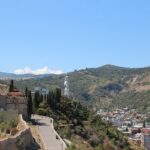
The monument connects to the story of David the Builder, who defeated and pursued the coalition army of the Seljuk Ilghaz in the Didgori Valley. The site is positioned to look out over Tbilisi, which is why it tends to work as a “wrap the day” moment.
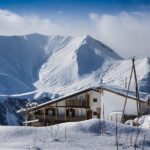
There’s an important weather note: in winter, the road may be closed due to heavy snowfall, and the tour may skip this location. That’s not a guarantee, but it’s a real possibility you should plan around if you’re traveling in the colder months.
If the Didgori stop does run, this is the kind of place where you’ll enjoy pausing and taking in the scale: city spread, mountain angles, and the sense of distance that a canyon stop usually lacks. If it gets skipped, the day still has plenty of scenery already, so you’re not left empty-handed.
Group size, guide service, and pace: where this trip wins
This tour caps at 15 travelers, which is a sweet spot for day trips. Big buses can turn every stop into a scramble. Here, the smaller group size helps you get through transitions with less friction and more attention.
The operator includes guide service, and the pace is built around stop durations rather than constant “on-and-off” time. Asureti is 30 minutes, Lake Algeti 25 minutes, the canyon 4 hours, and Didgori 30 minutes. That structure keeps the day from dragging, but it still gives you enough breathing room where it counts.
One more detail: the departure point is described as easy to locate. That sounds small, but it’s huge on travel days. When you’re meeting at the right street at the right time, you start the day calm instead of frantic.
That said, there is a caution to respect. The overall rating is 4.6 across 15 entries, which suggests most people are happy with the experience. Still, one harsh experience stood out for poor organization and a rude guide. You can’t predict which day you’ll get, but you can protect yourself: arrive a few minutes early, double-check meeting instructions, and be ready to speak up politely if timing or pickup points seem off.
Who this tour fits best (and who should choose something else)
This tour fits well if you want a balanced day trip with multiple stops and enough time at the main sight. I’d especially recommend it for:
- People who want a small-group day tour rather than a huge bus
- Photo lovers who care about Dashbashi Canyon and not just passing views
- Travelers who like a mix of nature plus a quick dose of architecture and historical context
It’s less ideal if you hate missing stops due to winter road closures. The Didgori stop can be skipped in heavy snowfall conditions, and you’ll want a backup plan if that monument viewpoint is a must-have for you.
It also may not be perfect if you’re very sensitive to schedule changes. The canyon time is long, but shorter stops still depend on staying on track throughout the day.
Should you book this tour from Tbilisi?
Yes, if your goal is a photography-focused Dashbashi Canyon day trip with real time outside the car, and you’re comfortable budgeting for the canyon entrance fee. For $42, you’re paying for transportation plus guide service, and you’re getting a thoughtful mix of stops: Asureti’s German-colony architecture, a quick Lake Algeti view, then a longer canyon session.
Skip or reconsider if you’re traveling in winter and Didgori is your top priority, since heavy snowfall can mean the road gets closed. Also, if you’re the type who needs perfect pickup timing and very formal guide behavior, you might want to book only if you feel confident in the operator’s communication on the day.
If you do book, go in with the right mindset: this is a scenic, guided loop with time to take photos, not a slow academic tour. That’s exactly what makes it good value.
FAQ
What time does this tour start?
It starts at 10:00 am.
How long is the tour?
The duration is about 8 hours (approx.).
Where is the meeting point?
The meeting point is Shadiani1 Vakhtang Gorgasali St, Tbilisi, Georgia.
How big is the group?
The tour has a maximum of 15 travelers.
Is the tour offered in English?
Yes. The tour is offered in English.
Is a mobile ticket provided?
Yes. The tour includes a mobile ticket.
Is the Dashbashi Canyon entrance ticket included?
No. The entrance ticket to the canyon is not included.
How much is the Dashbashi Canyon ticket?
The canyon ticket costs 18 USD / 49 GEL.
What happens to the Didgori Valley stop in winter?
In winter, the road to Mount Didgori may be closed due to heavy snowfall, and the tour may have to skip this location.
More from Our Tbilisi Review Desk
More Dashbashi Canyon and Glass-Bridge Days

Not quite your thing? More Tbilisi tours and day trips from our review desk


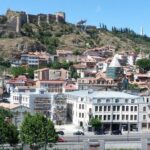

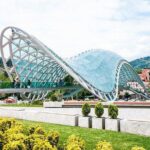
Dashbashi Canyon & Glass Bridge, compared.
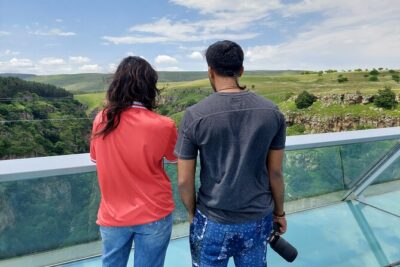 ★ 5.0Diamond bridge and Dashbashi canyon day excursion from TbilisiFrom $35393 reviews
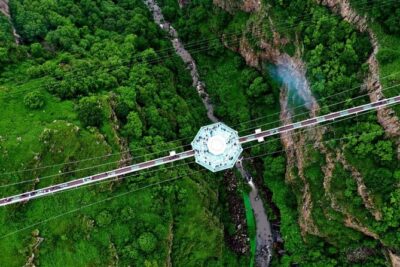 ★ 5.0Dashbashi Canyon, Glass Bridge, Bicycle Zip Line, Swing, Private Full Day TourFrom $9025 reviews
 ★ 4.5Diamond Bridge Dashbashi Shavnabada& AZEULA fortress PRIVATE TripFrom $6810 reviews
 ★ 5.01 Day Tour in Dashbashi CanyonFrom $504 reviews
 ★ 5.0Tsalka Canyon Tour from Tbilisi with Poka Nunnery, Gorelovka and AsuretiFrom $1974 reviews
 ★ 5.0Trip to The Diamond Bridge and Dashbashi CanyonFrom $694 reviews
Browse the lists this tour appears in