
Reviewed · DASHBASHI CANYON & GLASS BRIDGE
Tsalka Canyon Tour from Tbilisi with Poka Nunnery, Gorelovka and Asureti
Tsalka Canyon can feel like a movie set, not Georgia. This full-day route links ancient churches with lived-in villages and then finishes at Dashbashi Canyon’s waterfalls and glass bridge. I especially like the way the day balances big sights (like the canyon) with human-scale stops such as Poka Nunnery’s crafts and Gorelovka’s ethnographic museum. The one thing to plan for is the walking: you’ll need moderate fitness, and the canyon can close in bad weather.
Two standout reasons I think this tour is a smart pick are the expert local driving and the history you actually get to see, not just read about. One recent guide, Giorgi, was praised for spending the entire day driving his guests between sites and for spotting the best viewpoints for photos. A fair consideration: church dress rules apply, and a hike (about 30 minutes to reach the canyon) plus time on the 1,800-meter path means you shouldn’t schedule anything stressful beforehand.
In This Review
- Key things to love about this Tsalka Canyon itinerary
- Why this Tsalka (Dashbashi) Canyon tour works so well from Tbilisi
- Morning start: Manglisi Sioni Cathedral and Georgia’s early Christian story
- Paravani Lake at 2,073 meters: high air, calm water, and seasonal ice
- Poka Nunnery of St. Nino: more than a church stop
- Gorelovka’s ethnographic museum: Dukhabors and a society built on strict rules
- Dashbashi Canyon (Tsalka): waterfalls, emerald tones, and the glass bridge
- Asureti village: German settlers, deportation history, and the Shala vine
- Food and wine: how lunch fits, and what to expect
- Getting there and getting ready: pickup, timing, and church attire
- Price and value: what $197.50 buys you in one day
- A quick word on the guides: Giorgi’s style (and why it matters)
- Who should book this tour (and who should pass)
- Should you book this Tsalka Canyon tour from Tbilisi?
- FAQ
- FAQ
- How long is the Tsalka Canyon tour from Tbilisi?
- What time does the tour start?
- Is pickup from Tbilisi included?
- Is the tour guided in English?
- What physical demands should I expect?
- Are there any dress requirements for church visits?
- Is Dashbashi Canyon always open?
Key things to love about this Tsalka Canyon itinerary
- Manglisi Sioni: a 6th–7th century cathedral with much older Christian roots behind it
- Paravani Lake: high-elevation scenery at 2,073 meters, often iced in cold months
- Poka Nunnery of St. Nino: missionary history plus cheese, candles, and other handmade products
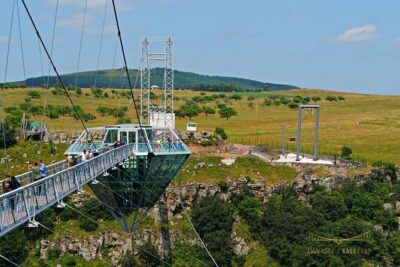
- Dashbashi Canyon: waterfalls, an 1,800-meter walk, and a 240-meter glass bridge with a café
- Gorelovka and Asureti: ethnographic museum + German settler history in small villages
- Private, English-guided pacing: pickup and air-conditioned transfers keep the day comfortable
Why this Tsalka (Dashbashi) Canyon tour works so well from Tbilisi
A day trip like this only pays off if it doesn’t feel like a rushed checklist. This route does something better: it strings together five distinct “Georgia worlds” in one long loop—early Christianity, highland nature, monastic life, minority village history, and then the big waterfall show at Dashbashi.
I also like the practical pacing. You get pickup, air-conditioned transfers, and planned time at each stop, so you’re not stuck constantly searching for parking or tickets. It’s a private tour too, so the day feels tailored to your group rather than absorbed into a crowd.
The canyon is the star, but the best part is that the stops leading there help you understand what you’re seeing. When you learn why Manglisi matters, why the nunnery exists where it does, and why settlements like Gorelovka and Asureti formed, the landscape starts to make sense in a human way.
More Dashbashi Canyon and glass-bridge days we have crossed from Tbilisi
Morning start: Manglisi Sioni Cathedral and Georgia’s early Christian story
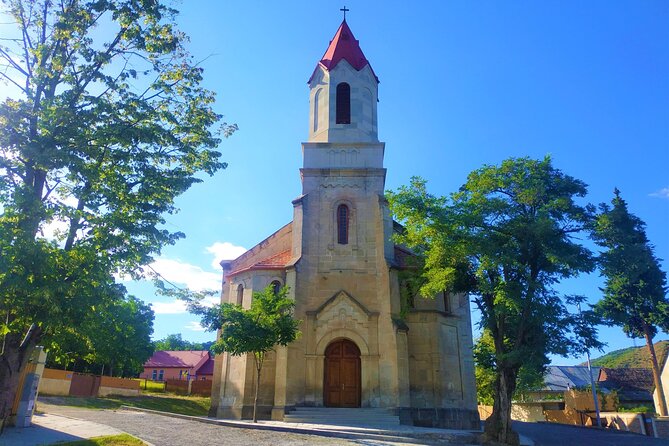
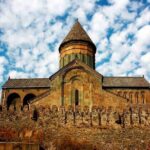
You start with Manglisi Sioni, one of those places where “old” actually means something. The cathedral dates to the 6th–7th centuries, but the story reaches back even further, to a 4th-century church connected to the proclamation of Christianity as Georgia’s state religion.
There’s also a specific thread you’ll hear about: Byzantine Emperor Constantine gifting King Mirian treasures and parts of the Holy Cross, plus sending Bishop John (Ioanne) to build churches. Before arriving in Mtskheta, Bishop John stopped in Manglisi to start the temple. That detail helps the visit feel anchored in real events rather than vague history.
Practical note: expect about 30 minutes here. It’s long enough to look closely at the architecture and soak in the setting, but not so long that you lose the momentum of the day.
Paravani Lake at 2,073 meters: high air, calm water, and seasonal ice
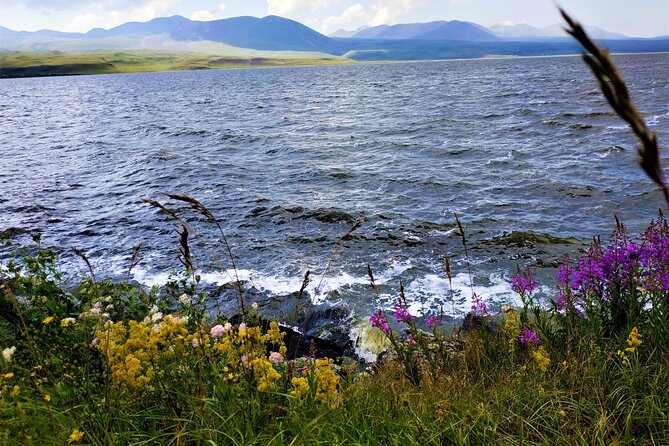
Next comes Paravani Lake, sitting at 2,073 meters. It’s the largest lake in the area (around 38 square kilometers), and the depth is listed as just 3 meters—so it’s shallow for something this big.
What I find useful is the seasonal warning built into the itinerary: from mid-autumn to mid-spring, the lake is covered with ice. If you’re visiting in colder months, plan your expectations for photos and reflections. If you’re traveling in warmer season, you’ll get more open-water views and likely easier walking around viewpoints.
This stop is short at about 15 minutes, but it works as a nature reset before the cultural stops. You’ll feel the altitude too; even a quick stop at that elevation can feel crisp.
Poka Nunnery of St. Nino: more than a church stop
Poka Nunnery of St. Nino is one of the most interesting stops on the route because it’s both spiritual and practical. St. Nino is said to have stayed for two days after entering Georgia through the mountains of Javakheti, preaching along the Mtkvari River until she reached Mtskheta.
The nunnery also has a missionary angle that’s worth paying attention to. It’s described as representing for years the only Georgian-speaking island in an alienated environment. That kind of detail gives context for why this place isn’t just a beautiful building; it’s tied to language, identity, and continuity.
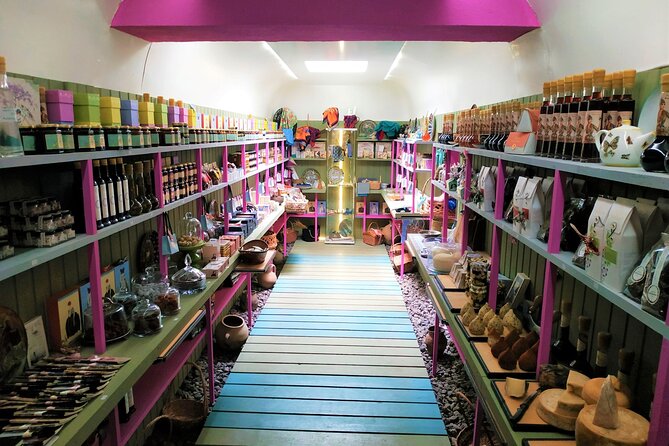
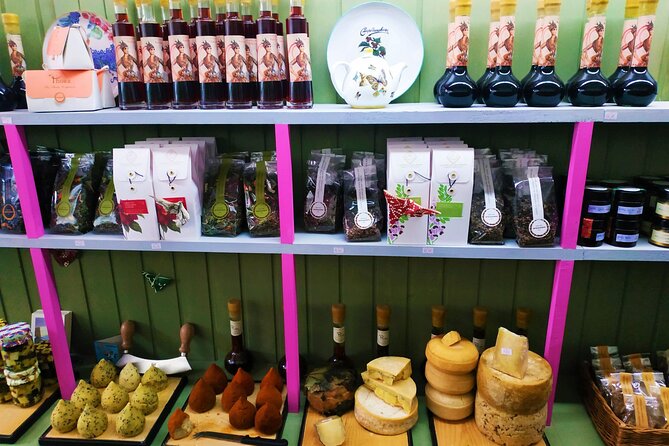
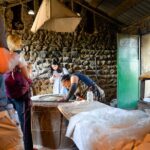
Then there’s the part you can bring home: the monastery produces cheese, candles, cloisonne enamel, and confectionery. In one highlight from a recent guest experience, the range of products and their packaging were singled out as impressive, and the food felt both local and genuinely good.
You’ll have about 30 minutes. Enough time to see the church area and understand what the nunnery is doing today, without feeling like you’re rushing through.
Gorelovka’s ethnographic museum: Dukhabors and a society built on strict rules
Gorelovka is small, but the story behind it is big. The village was founded by Dukhabors, a Russian-origin Christian spiritual group. According to the itinerary details, they rejected the secular government, priesthood, the use of icons, and church rituals.
One of the more surprising elements is how they handled customs. They reportedly didn’t follow any customs other than marriage. The tour also notes that women are equal to men in family life, which is a clear difference from many traditional village systems in the region.
After relocation, around 5,000 Dukhabors were resettled in Georgia between 1841 and 1845 during the reign of Emperor Nicholas I. Visiting the ethnographic museum here gives you a sense of how communities like this organized daily life under strong beliefs.
You get about 30 minutes, and the admission is listed as free. This stop is also a good buffer in the day—less “peak photo moment,” more “slow understanding.”


Dashbashi Canyon (Tsalka): waterfalls, emerald tones, and the glass bridge
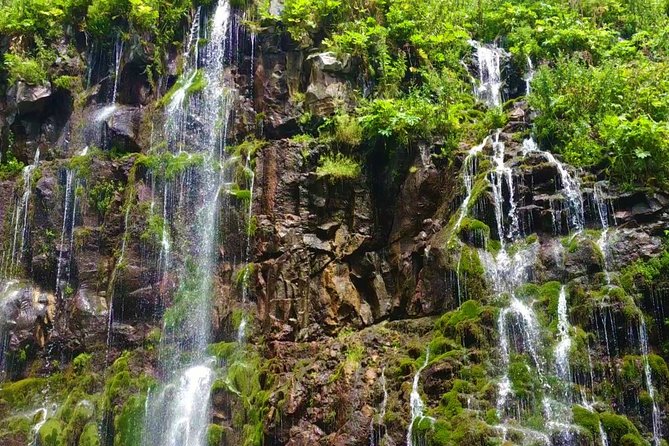
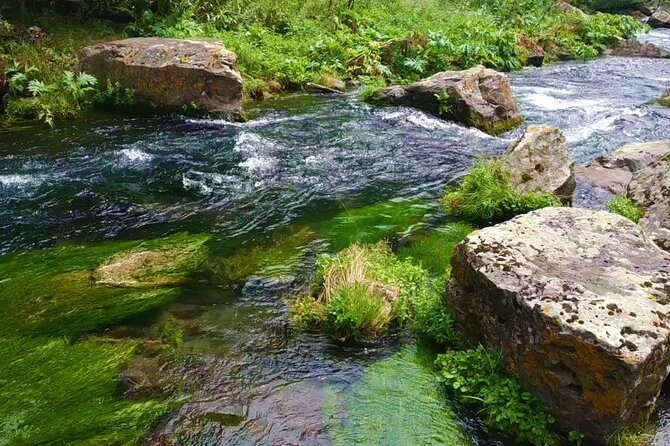
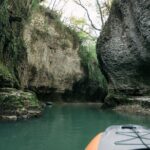
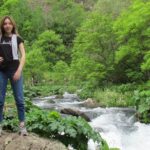
Now for the reason people choose this tour: Dashbashi Canyon. The waterfalls here are described as cascading with an emerald-colored look, forming dozens of smaller falls as water drops through the canyon system.
This is also where you need to get your logistics right.
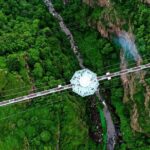
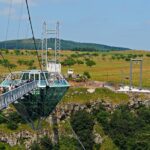
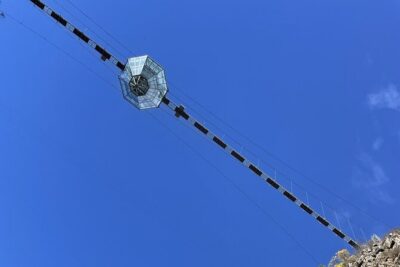
First, there’s a hike of about 30 minutes to reach the canyon. Then you’ll spend time on an 1,800-meter path to the river. After that, the most iconic structure in the area is the 240-meter-long glass bridge, with a diamond-shaped café in the middle.
Two big practical considerations:
- Weather matters. The canyon can close during bad weather, so the day needs good conditions to run smoothly.
- Height restriction: you must be taller than 1.2 meters to go in the canyon area.
If you’re traveling with kids or shorter teens, check that requirement early so you’re not disappointed on arrival. And if your legs are on the weak side, bring that up beforehand in your planning, because this is not a gentle stroll.
Asureti village: German settlers, deportation history, and the Shala vine
Asureti is the last “history stop,” but it doesn’t feel like a museum ending. It feels lived-in, even when the timeline is heavy.
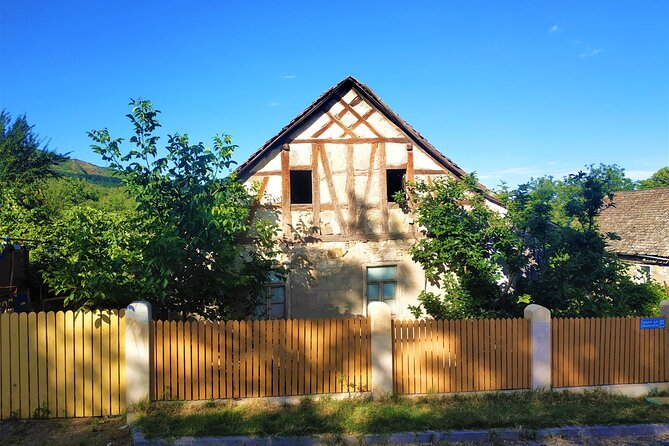
The village is tied to German colonists who settled in 1817. The itinerary notes that after about 125 years, Stalin deported Germans from Georgia to Central Asia in 1941. Only people married to Georgians were allowed to stay. That one detail helps explain why the village’s community story is so specific.
Even the architecture has a story. Houses built without cement and nails, with oak balconies, sulfur bath features, and wine cellars are described as still surprising people. If you like “how did they build it and why did it last,” Asureti will make you want to look twice.
There’s also a vine legend: the village is home to an old Georgian vine variety called Shala. It’s described as being found in the forest by a German farmer named Shalma. It’s the kind of detail that connects agriculture, migration, and local botany in one spot.
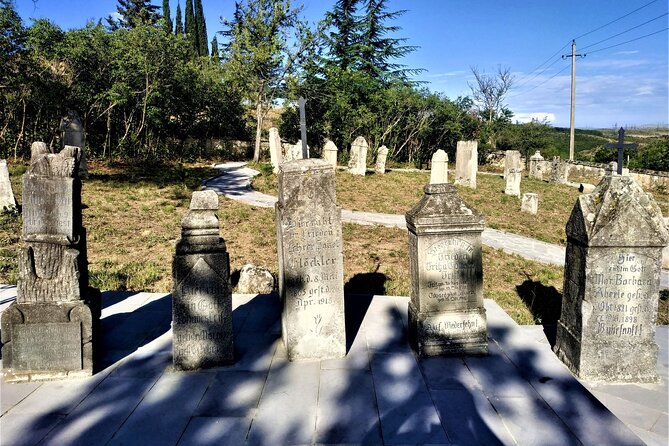
You’ll also find a Lutheran church built in 1871 and a cemetery. This stop is about 30 minutes and works well as a calm wind-down after the canyon.
Food and wine: how lunch fits, and what to expect
This tour includes a lunch stop, but the included details can vary by your option. The tour summary highlights a lunch and wine option, while the standard tour guidance says lunch is not included and that you’ll stop at a restaurant for lunch.
So here’s the practical way to handle it: treat lunch as planned time to eat, but don’t assume it’s automatically included in the price unless your booking option says so. If you want wine with lunch, confirm it when you book.
One guest experience praised the lunch restaurant as run by a welcoming family and noted that it served organic and local products. Even if you aren’t choosing based on that, you can use lunch as a chance to reset before the drive back to Tbilisi.
Getting there and getting ready: pickup, timing, and church attire
The tour starts at 8:00 am. Pickup is offered, and you’ll travel by air-conditioned vehicle, which matters on a long day that can run around 12 hours total.
Dress code is not optional at orthodox churches. Ladies should wear head scarves and dresses. Short trousers for men are also forbidden. The good news is that scarves and dresses are described as available near church entrances for men and women.
If you forget, it’s usually fixable onsite—but don’t gamble. Bring something light you can work with quickly.
For the canyon day part, remember the height rule (>1.2 m) and the walking demands. Comfortable footwear is a must because you’ll be on paths around the canyon area.
Price and value: what $197.50 buys you in one day
At $197.50 per person, this isn’t a budget “hop-on-hop-off” tour. What makes it reasonable is the mix of paid structure and transport time packed into one day.
You’re paying for:
- Pickup and air-conditioned transfers
- English guidance
- Multiple ticketed sites, with admission listed as included for key stops like Manglisi Sioni and Dashbashi Canyon
- A complex canyon visit featuring a path and a glass bridge experience
- Several cultural and history stops across different villages
Also, this is a private experience with only your group. Private doesn’t just mean quieter—it means your guide can handle pacing and timing better, which matters when weather can change the canyon plan.
If you’re comparing this to doing everything on your own, the value often comes down to driving time and decision fatigue. This route is built to take the “long-day” friction out of the equation.
A quick word on the guides: Giorgi’s style (and why it matters)
One of the most praised parts of this tour wasn’t just the places—it was the hosting. Giorgi was highlighted for being prompt in an impeccable tour van and for spending the full day driving guests between each area.
The other part I think you should care about: he was praised for knowing where to stand for strong photos and views. He also shared information on local culture and history, with special emphasis on music. That turns the drive into more than transit time, which is exactly what you want on a 12-hour day.
And yes, there was also a real-world kindness story: a guest accidentally left luggage in his car after the tour ended, and Giorgi drove it back to their hotel the next day in his free time. That kind of reliability is rare—and it’s a quiet reason to feel comfortable booking.
Who should book this tour (and who should pass)
This tour is a good match if you want:
- A high-impact day with canyon waterfalls plus multiple cultural stops
- Off-main-route Georgia, with village history like Gorelovka and Asureti
- A guide-led experience in English that keeps the day organized
You might want to rethink it if:
- You don’t handle walking well, given the 30-minute hike to reach the canyon and the longer canyon path
- You’re visiting in a period with unstable weather, since Dashbashi Canyon may close
- You or anyone in your group is below the 1.2-meter height requirement for the canyon area
Should you book this Tsalka Canyon tour from Tbilisi?
I’d book it if your idea of a great day in Georgia is mixing old stone and real stories with a finish that’s genuinely visually dramatic. The itinerary is set up to teach you while you travel: early church history at Manglisi, the altitude feel of Paravani Lake, St. Nino’s nunnery work and products, Dukhabor and German-colonist history through village museums and buildings, then the waterfalls and glass bridge at Dashbashi.
Skip it (or at least be cautious) if weather and walking distance are big concerns for your group. The canyon is the centerpiece, and it’s weather-dependent.
FAQ
FAQ
How long is the Tsalka Canyon tour from Tbilisi?
The tour is listed as about 12 hours.
What time does the tour start?
The start time is 8:00 am.
Is pickup from Tbilisi included?
Pickup is offered, and the tour begins at 8:00 am.
Is the tour guided in English?
Yes, it’s offered in English.
What physical demands should I expect?
You should have moderate physical fitness. To reach Tsalka Canyon, you’ll hike for about 30 minutes, and you’ll also walk on the canyon path.
Are there any dress requirements for church visits?
Yes. Ladies need head scarves and dresses in Georgian orthodox churches. Short trousers for men are forbidden. Scarves and dresses are available near church entrances.
Is Dashbashi Canyon always open?
No. The canyon is closed during bad weather, and visitors also need to be over 1.2 meters tall.
More Tbilisi Tours and Georgian Day Trips


More from Our Tbilisi Review Desk
More Dashbashi Canyon and Glass-Bridge Days

Not quite your thing? More Tbilisi tours and day trips from our review desk


Dashbashi Canyon & Glass Bridge, compared.
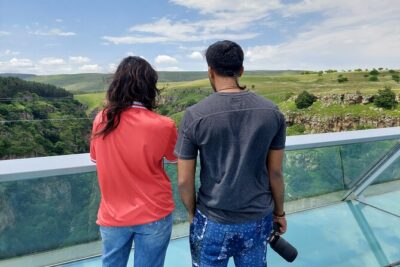 ★ 5.0Diamond bridge and Dashbashi canyon day excursion from TbilisiFrom $35393 reviews
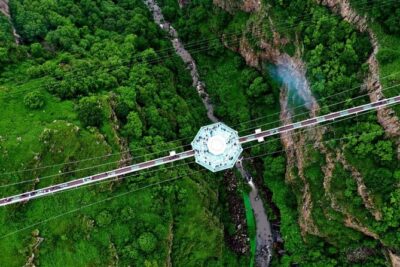 ★ 5.0Dashbashi Canyon, Glass Bridge, Bicycle Zip Line, Swing, Private Full Day TourFrom $9025 reviews
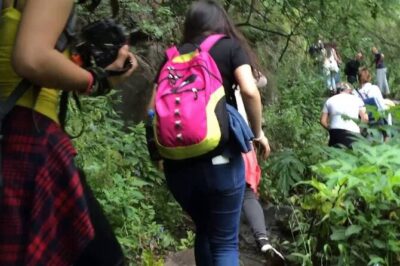 ★ 4.5Dashbashi Canyon. The village of Asureti and Didgori monument.From $4215 reviews
 ★ 4.5Diamond Bridge Dashbashi Shavnabada& AZEULA fortress PRIVATE TripFrom $6810 reviews
 ★ 5.01 Day Tour in Dashbashi CanyonFrom $504 reviews
 ★ 5.0Trip to The Diamond Bridge and Dashbashi CanyonFrom $694 reviews
Browse the lists this tour appears in