

Reviewed · OLD TBILISI WALKING TOURS
Walking City Tour in Tbilisi
Two hours, and Tbilisi starts making sense fast. I like how this route stitches together the big emotional beats of the city, from Orbeliani Baths to the Narikala Fortress viewpoint, in a way that feels organized instead of random. I also love that it’s built as a private experience with a real guide (Alesia Aliakseichyk), so you can ask questions as you go. One thing to plan for: the cable car isn’t included and costs extra.
At street level, Tbilisi is full of layers—European angles, Asian trade routes, and a long list of empires that left marks. This tour helps you connect the dots quickly, so your first visit doesn’t feel like a scavenger hunt.
If you’re not big on walking, you can still choose the cable car and then use the rest of the route as gentle strolling. But you do need moderate fitness, and some parts are stairs-and-hills country, even if the stops stay short.
In This Review
- Key Highlights You’ll Feel Right Away
- A 2-Hour Walking Plan That Actually Gives You Context
- Orbeliani Baths: Starting With Tbilisi’s Sulfur-Bath Identity
- Abanotubani and Old Town Tbilisi: Narrow Streets With Real Character
- Narikala Fortress: Use the Cable Car or Let Your Legs Earn the View
- Betlemi Churches and Kartlis Deda: Georgia’s Faith and Identity in Stone
- Ateshgah and Liberty Square: Persia Meets the Russian Empire Story
- Rezo Gabriadze Marionette Theater: The Hourly Clock-Tower Moment
- Price and What You’re Really Buying With $23.27
- Who This Tour Fits Best (and Who Might Want a Different Plan)
- Final Verdict: Should You Book It?
- FAQ
- How long is the Walking City Tour in Tbilisi?
- What does the tour cost?
- Is the Tbilisi cable car included?
- Where does the tour start and end?
- Are the sights included in the price?
- Do I get a mobile ticket?
- Is this tour private?
- What is the cancellation policy?
Key Highlights You’ll Feel Right Away
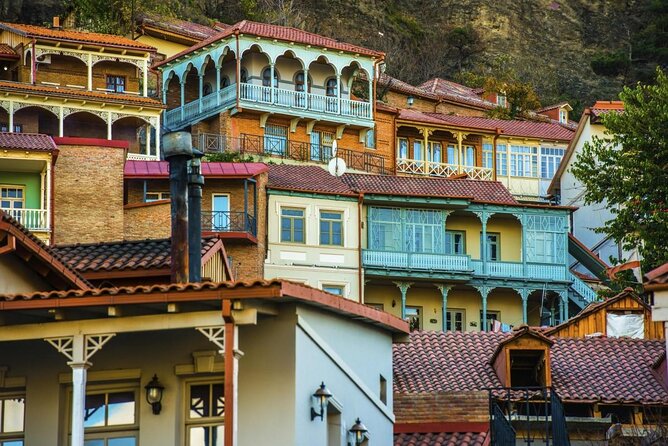
- Orbeliani Baths (Pushkin/Dumas Bath) as the smartest place to start, because the sulfur-bath story sets the tone for the city
- Abanotubani with its classic bathhouse neighborhood vibe, where locals still treat bathing as normal life
- Narikala Fortress for wide city views, with a flexible plan using the cable car or foot
- Betlemi Churches (Lower and Upper) for a Christianity-to-Georgia context you can actually picture
- Ateshgah Zoroastrian Temple for Persia’s imprint, far from what most people expect in Tbilisi
- Rezo Gabriadze Marionette Theater and its hourly clock-tower show moment
A 2-Hour Walking Plan That Actually Gives You Context
Tbilisi can overwhelm you in a good way. One minute you’re on a street with carved balconies; the next you’re looking at fortress walls; then you hit churches and temples that feel like the city is speaking multiple languages at once.
This tour works because it’s paced like a conversation. The stops are short, but the guide keeps explaining what you’re seeing and why it matters. You’re not just collecting photos. You’re learning how the city grew—at the junction between Europe and Asia—without needing a textbook.
The value also comes from the basics being handled. You get a certified guide, you have a mobile ticket, and the sights are entered for free. That matters when you’re trying to keep a first trip simple and not turn your day into a string of paywalls.
The private format is another practical plus. If you want to linger over a viewpoint or slow down for stair fatigue, you can. If you want more explanation at one stop, you can steer the conversation.
More Old Tbilisi walking tours through the balconied backstreets

Orbeliani Baths: Starting With Tbilisi’s Sulfur-Bath Identity
You begin at Orbeliani Baths (also known as the Pushkin or Dumas Bath) at 31 Abano St. Starting here isn’t random. It’s a local-keyhole into how Tbilisi thinks about comfort, wellness, and tradition.
The timing is gentle—about five minutes at this stop—and the admission is free. Even if you don’t plan to bathe during the tour, you still get the context. The sulfur-bath idea is central to Abanotubani, and it helps you understand why this part of town is still alive with everyday people.
A good way to use this first stop: take a quick look, then ask your guide what’s special about the bathhouse culture here and how locals typically think about it. The tour nudges you in exactly that direction, and later—if you want—you’ll know what you’re looking for when you return to relax.
One small practical point: this is a stair-and-street city area, so wear shoes you trust. No need for hiking boots, but slick soles are a bad idea here.
Abanotubani and Old Town Tbilisi: Narrow Streets With Real Character
Right after Orbeliani Baths, you step into Abanotubani, the classic sulfur bath neighborhood. Again, the stop is about five minutes and entry is free. This is one of those places where you’ll see the city’s personality without explanation: tiled edges, bathhouse facades, and that steady hum of people treating the area as part of daily life.
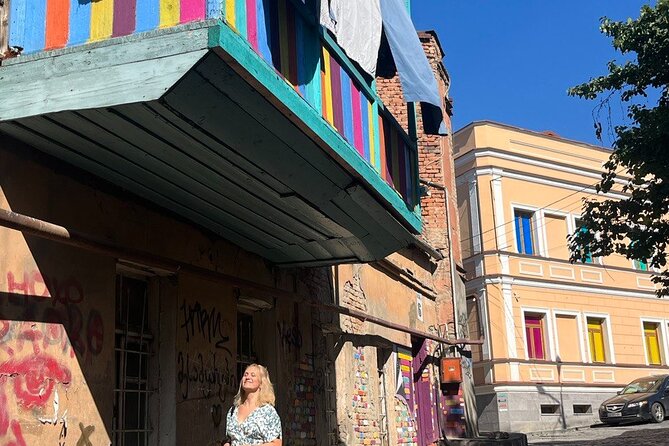
Then the tour moves into Old Town Tbilisi for around 20 minutes. This is where the city becomes postcard-and-story at the same time—narrow streets, carved balconies, and a photogenic rhythm that makes you want to slow down.
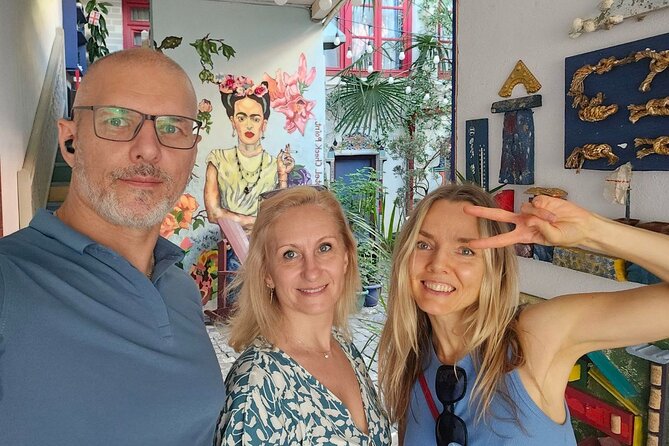
You’ll also get a nudge toward specific photo-worthy spots, including Frida’s cafe. Even if you don’t plan to stop for a coffee, knowing where the best visual corners are saves you from wandering with no direction.
What I like here is the balance. Old Town can turn into “walk until you find a view.” This tour keeps you oriented so the photos connect to landmarks and history, not just angles.
If you want extra mileage (literally), you can keep walking beyond the tour afterward. The point is: you’ll leave with a mental map, not just a memory of pretty streets.
Narikala Fortress: Use the Cable Car or Let Your Legs Earn the View
This is the highlight for a reason. You get two options for getting up: you can use the Tbilisi Cable Car (not included) for going up and/or down from Narikala Fortress, or you can continue on foot through the old streets.
The itinerary gives you around 15 minutes for the cable-car segment, and about 10 minutes at the fortress itself. The admission here is free, so you’re not paying again once you reach the top.
Here’s the practical way to choose:
- If the weather is tricky (heat, rain, or poor visibility), the cable car can make the day feel smoother and keep the plan on time.
- If you enjoy walking for the sake of walking, going by foot gives you more street texture and less waiting around.
At the fortress viewpoint, you get the big “Tbilisi is actually a real city” moment. From up here, you understand why the city’s layout feels layered and why the river and hills define it. It’s the stop that turns your earlier photos into something more meaningful because you can see the connections.
Betlemi Churches and Kartlis Deda: Georgia’s Faith and Identity in Stone
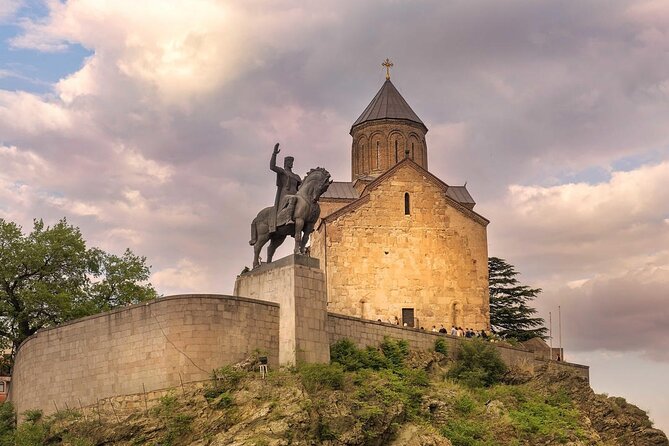
Next come the Lower and Upper Betlemi Churches, around five minutes total, with free admission. These are old Orthodox cathedrals, and the tour is set up so the guide can explain the timeline and what it meant when Georgia became a Christian country.
That sounds abstract until you stand near these buildings. The architecture and location make the story feel less like a lecture and more like a lived identity. You’ll likely come away seeing how religious changes shaped art, community life, and what people chose to build—and protect.
Then you stop at Kartlis Deda (Mother of Georgia), again about five minutes. This giant monument is a strong, easy-to-recognize symbol. It helps you get a feel for national messaging: pride, protection, and the idea of Georgia as both warrior and protector—depending on how you read the details.
This section works well because it shifts you from “pretty city photos” into “why people care.” Even if you’re not a church-and-statues person, you’ll probably enjoy how quickly the tour frames these landmarks into something you can remember.

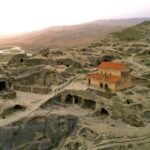


Ateshgah and Liberty Square: Persia Meets the Russian Empire Story
Then the tour takes a sharp turn in the best way: it moves from Orthodox Georgia to the influence of Zoroastrian tradition.
At Ateshgah Zoroastrian Temple, the stop is about five minutes and admission is free. The tour frames it as a trace of Persian empires. That’s a key point for first-timers: Tbilisi wasn’t shaped by one culture only. Empires traded power, faith, and symbols across the region, and you can still see those echoes in places like this.
Right after that, you head to Liberty Square, where you get around 10 minutes. This is described as the best place to speak about the Russian Empire in Georgia. The value here is that it’s a physical meeting point for a historical story. Instead of reading dates, you see where the story lives in the cityscape.
I like stopping at a major square because it helps you stop, reset, and absorb what you’ve already learned. It’s also a natural bridge to your final entertainment stop.
Rezo Gabriadze Marionette Theater: The Hourly Clock-Tower Moment
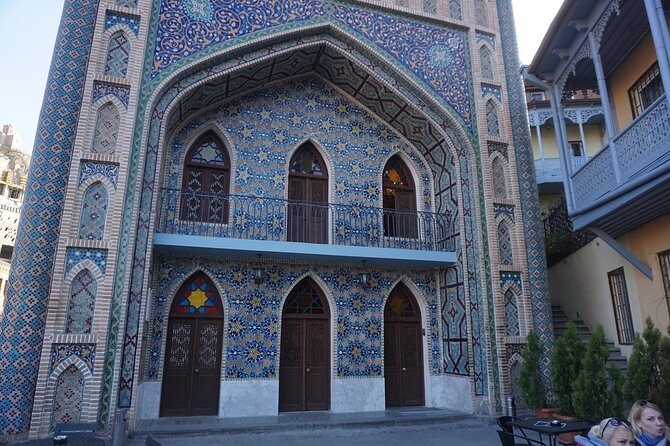
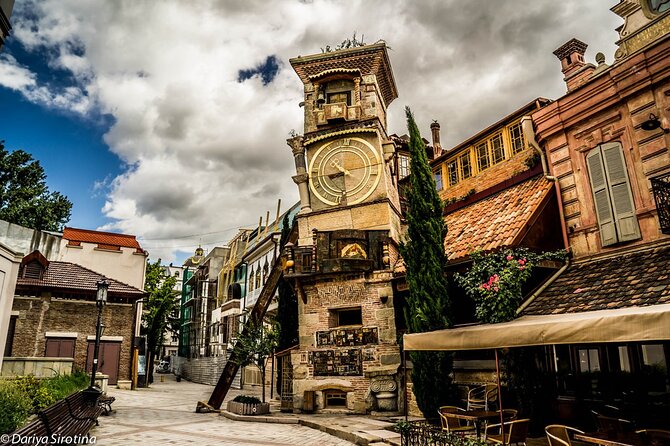
Your last big stop is the Rezo Gabriadze Marionette Theater for about 10 minutes. The theater is known for its Georgian puppet character and the clock tower, plus a small performance that happens every hour.
This is the kind of stop that feels like a reward. You’ve been absorbing religion, empire, and architecture for much of the day. Then you end on something playful and unmistakably local.
If you time it right, the hourly performance can turn into a perfect final memory. Even when you don’t catch the exact moment, the clock-tower atmosphere is still distinctive and fun to look at.
Since the tour ends at Liberty Square (Freedom Square 2), this stop also helps you land in a central area where you can keep exploring on your own after the tour.
Price and What You’re Really Buying With $23.27
At $23.27 per person for about 2 hours, this isn’t expensive, especially because the important part—the guide and entry to the sights—is included. You’re paying for orientation, context, and time saved. That’s hard to beat on a first visit.
The main extra cost is the Tbilisi Cable Car, listed at 2 EUR per person, unless you choose to walk up and down from the fortress area. That’s your main decision point, so it’s worth planning your preference before you meet.
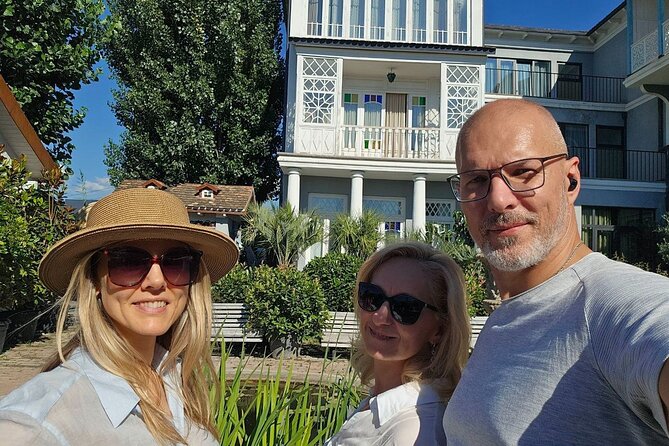
A private tour also changes the value equation. Instead of a crowded group where you can’t ask questions, you get Alesia Aliakseichyk’s attention for your own group size. That’s the kind of thing that makes a short city tour feel longer and more satisfying.
If you’re the type who likes to build a day around landmarks but still wants stories, this price feels fair. If you hate stairs and hills, do plan how you’ll handle Narikala—cable car can keep things comfortable.
Who This Tour Fits Best (and Who Might Want a Different Plan)
I think this tour is ideal for:
- First-time visitors who want a quick but meaningful overview
- People who like history told in practical, place-based ways
- Travelers who want a private guide and don’t want to piece together everything themselves
You might consider a different option if:
- You want a full-day deep dive. This is short by design.
- You strongly dislike walking in hilly areas, since you’ll have moderate fitness demands even with the cable car option.
The best part is how flexible the fortress segment is. That makes it easier to match the tour to your energy level.
Final Verdict: Should You Book It?
Yes, I’d book it—if you want your first Tbilisi visit to feel organized and human. The combination of Orbeliani Baths, the Abanotubani bathhouse neighborhood, the Narikala Fortress views, and the mix of churches plus Ateshgah makes the city’s identity click fast.
The tour earns its spot by doing two things well: it keeps stops short and it explains why they matter. Add a guide like Alesia Aliakseichyk, who also seems comfortable steering people toward Georgian food choices, and you get more than sightseeing—you get direction.
If you’re on a tight schedule, this is a smart way to spend it.
FAQ
How long is the Walking City Tour in Tbilisi?
The tour is about 2 hours.
What does the tour cost?
It costs $23.27 per person.
Is the Tbilisi cable car included?
No. The cable car costs 2 EUR per person, or you can go up and/or down by foot.
Where does the tour start and end?
It starts at Orbeliani Baths, 31 Abano St, Tbilisi, and ends at Liberty Square, 2 Freedom Square, Tbilisi. The end point can be flexible by arrangement.
Are the sights included in the price?
Yes. All the sights are free to enter on this tour.
Do I get a mobile ticket?
Yes, you receive a mobile ticket.
Is this tour private?
Yes. It’s a private tour/activity, and only your group participates.
What is the cancellation policy?
You can cancel for a full refund if you cancel up to 24 hours in advance.
More Tbilisi Tours and Georgian Day Trips


More from Our Tbilisi Review Desk
More Old Tbilisi Walking Tours



Not quite your thing? More Tbilisi tours and day trips from our review desk
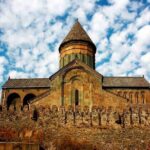


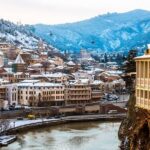


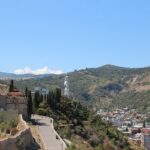
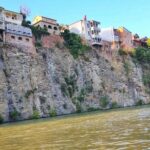




Old Tbilisi Walking Tours, compared.
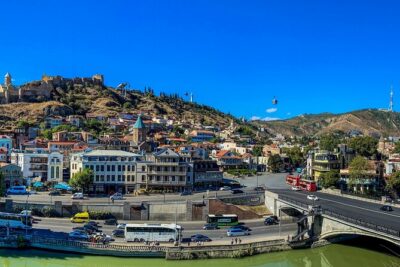 ★ 5.0Tbilisi Walking Tour Including Cable Car and Traditional BakeryFrom $191,310 reviews
 ★ 5.0Evening Walking & Talking Tour with Wine & Boat RideFrom $10572 reviews
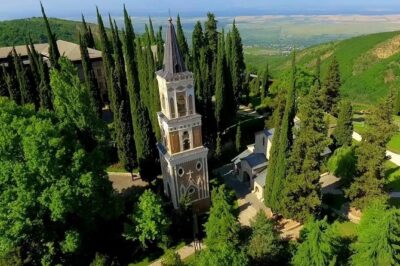 ★ 5.0Kakheti;City of Love Sighnaghi, Bodbe. KTW. Wine House Group tourFrom $16376 reviews
 ★ 5.0Old Tbilisi Highlights walking tour with wine & 10 tastingsFrom $15276 reviews
 ★ 5.0Old Tbilisi Tour: Private Walking Tour With Wine TastingFrom $39273 reviews
 ★ 5.0Private Tbilisi Food Tour: 9 Tastings Walk in Bohemian DistrictFrom $79227 reviews
 ★ 5.0Old and New City Guided Tour with 2 Cable Car RidesFrom $39176 reviews
 ★ 5.0Tbilisi Old Town Walking Tour with a Local GuideFrom $38168 reviews
Browse the lists this tour appears in