
Reviewed · VARDZIA CAVE CITY & BORJOMI ESCAPES
Tbilisi to Magical Borjomi Rabati and Vardzia Cave Guided Tour
Caves, castles, and mineral water in one long day. This Tbilisi-to–Vardzia to Rabati to Borjomi tour strings together three very different Georgia highlights, all with a guide who helps you make sense of what you’re seeing. You get a full, guided run through the cave city, a tour of a fortress packed with layered influences, and a stop for the famous Borjomi spring.
I especially like how the tour keeps history practical: you’re not just staring at stone, you’re learning what Vardzia meant as a monastic site and defense stronghold, and how Rabati reflects changing rulers and cultures. Another plus is the English and Russian guiding, and past guests have praised guides such as Timur, Alexander, and George for clear explanations and good cultural context on the drive.
One thing to consider: the day is long (about 14 hours), and you’ll pay separate entrance fees for Vardzia and Rabati. If you’re not comfortable with walking and some uneven surfaces around the sites, you may want to plan for slower pacing.
In This Review
- Key highlights to notice before you go
- The big idea: one day, three Georgia moods
- Vardzia Cave City: living quarters, chapels, and King Tamar frescoes
- Rabati Castle in Akhaltsikhe: a fortress with Georgian, Ottoman, and Armenian fingerprints
- Borjomi mineral springs: the nature stop that still has a taste test
- The drive between stops: why the guide matters as much as the sites
- Price and value: $35.50 worth it, if you plan for extra fees
- What to pack (and how to avoid small-day headaches)
- Who this tour suits best
- Should you book this Tbilisi to Vardzia, Rabati, and Borjomi tour?
- FAQ
- What time does the tour start?
- Where do we meet?
- When does the tour end?
- How long is the tour?
- Is the tour offered in English?
- What’s included in the price?
- Are entrance fees included?
- Is lunch included?
- Is the cable car in Borjomi included?
- Is there a fitness requirement?
Key highlights to notice before you go
- Vardzia cave city tour focused on tunnels, living quarters, chapels, and wine cellars
- Fresco spotlight at the main church, including figures tied to King Tamar
- Rabati Castle layers showing Georgian, Ottoman, and Armenian influences in one fortress
- Central Park Borjomi walk paired with tasting naturally carbonated mineral water
- Optional cable car if you want the big views and you don’t mind paying extra
- Small group size (up to 17) plus a comfortable air-conditioned vehicle
The big idea: one day, three Georgia moods
This is the kind of day trip that works when you want variety without stitching together multiple tickets. You’re picked up in Tbilisi for an early start at 7:00 am, and you’re back at the same meeting point by the end of the day. With about 14 hours on the clock, you’re trading a leisurely pace for packed value.
What makes the rhythm work is how each stop answers a different question. Vardzia answers what life looked like inside a cliffside “city.” Rabati answers how borders and rulers left architectural fingerprints. Borjomi answers what Georgians do when the body needs a break: walk in a park, sip the mineral water, and enjoy mountain air.
The tour also keeps things straightforward: you get a professional guide (English and Russian are offered) and an air-conditioned vehicle. Entrance fees and lunch aren’t included, so you’ll want to budget a bit extra and plan to eat on your own.
More Vardzia cave city and Borjomi escapes we have taken from Tbilisi
Vardzia Cave City: living quarters, chapels, and King Tamar frescoes
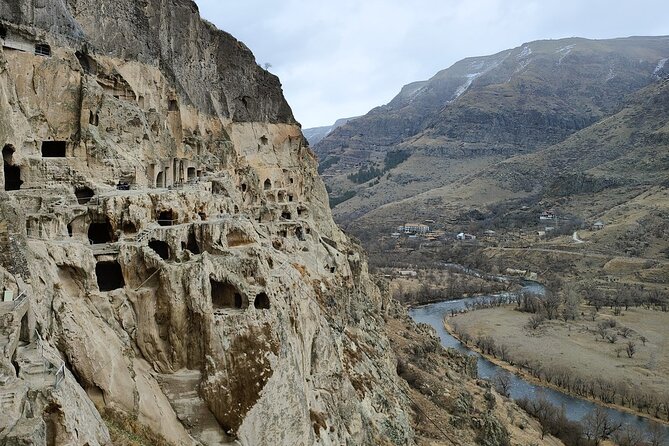
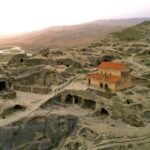
Vardzia is the main event. This cave city was built into the cliffs of the Erusheti Mountains, and the layout is what makes it memorable: you move through tunnels, past living quarters, and into spaces designed for worship and storage. The tour time is about 90 minutes on site, which is enough to get the story without turning it into a marathon.
You’ll see the parts that explain why Vardzia wasn’t just a cool stop on a map. There are chapels, wine cellars, and areas that reflect how a monastic center functioned day to day. It’s also described as a defense stronghold, which helps you picture the logic of carving rooms into a cliff instead of building something accessible.
The main church is where your eyes will likely pause. It’s known for frescoes that depict King Tamar and other significant figures from Georgian history. Even if you don’t consider yourself a “fresco person,” this is one of the moments where the guide’s context can turn art into understanding. You’ll come away with a clearer sense of who mattered in the era and why.
Practical tips for enjoying Vardzia:
- Wear shoes with grip. The cave paths can feel uneven or slippery depending on the surface.
- Bring water. The day is long, and you’ll appreciate it after the walking.
- Expect some stairs and tight passageways. The tour notes a moderate fitness level expectation for the overall experience, so pace yourself.
Entrance fee is 17 GEL (about 6 EUR) and is not included in the tour price.
Rabati Castle in Akhaltsikhe: a fortress with Georgian, Ottoman, and Armenian fingerprints
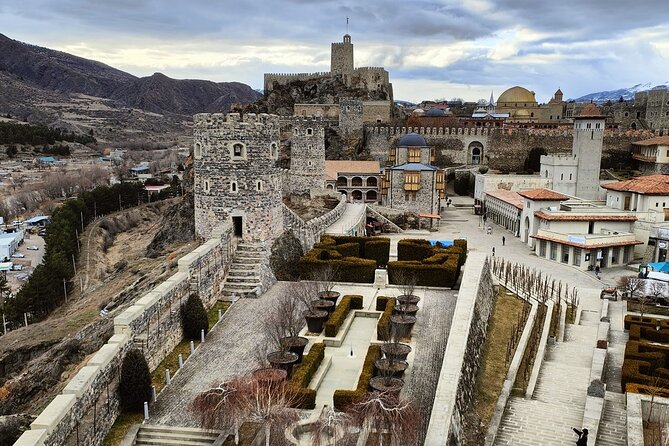
After the cave city, Rabati Castle gives you a completely different kind of “wow.” Instead of carved rock corridors, you get restored walls, gardens, museums, and the sense of standing in a strategic stronghold built for control.
The Rabati portion includes a 90-minute tour, with about 3 hours total time on site. The entrance fee is again 17 GEL (about 6 EUR) and is not included, so budget for both paid sites.
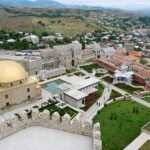
Rabati’s story is the fun part. This fortress is described as a symbol of Akhaltsikhe’s diverse history, with influences that include Georgian, Ottoman, and Armenian elements. That mix shows up right in what you can walk toward inside the compound: there’s a museum, and you can wander through restored gardens plus structures like a mosque, church, and palace within the fortress grounds.
There’s also a useful payoff for people who like viewpoints. Rabati has watchtowers with panoramic views, which is ideal late in the morning when the light is often good for photos and for taking in the layout of the area.
One thing to keep your expectations realistic: Rabati is a “tour fortress.” You’ll likely move at a guided pace, then have time to linger in gardens and views. If you love museums, the internal exhibits can be a nice break before continuing.
Borjomi mineral springs: the nature stop that still has a taste test
Then comes Borjomi, and the mood shifts again—from fortress stone to park walking and a drink you recognize from bottles back home.
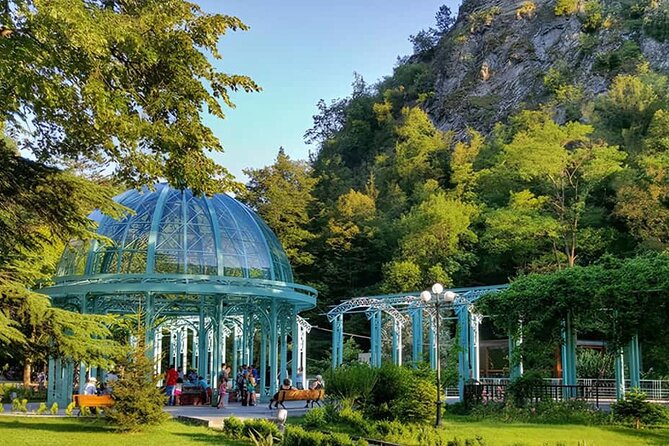
The stop is shorter than the cave and castle segments, with about 60 minutes scheduled for the key activities and a total time window around 2 hours. Borjomi National Park is where you’ll be able to taste the famous mineral water. The water is described as naturally carbonated, and the tour frames it as having health benefits.
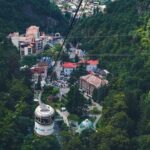
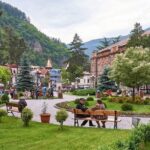
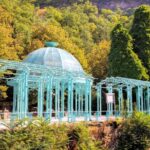
You’ll also get a scenic walk through Borjomi Central Park, with views of lush forests and mountain rivers. This is a good balance after Vardzia and Rabati, especially on a day when your legs have already done their share of work.
About the optional cable car: it’s offered for panoramic views of the park and surrounding nature. You can treat this as a “nice if you feel like it” option rather than a must-do. One past comment specifically flagged that the funicular and a bus option can feel overpriced, so if you’re value-minded, you may want to keep it simple and stick to the walking and spring area.
Entrance for this Borjomi portion is listed as free.
The drive between stops: why the guide matters as much as the sites
The long road time is part of this tour’s tradeoff. With so many moving parts in one day, your guide can make the difference between an exhausting checklist and a coherent story.
The tour includes a professional English and Russian guide, and past guests have praised guides for explaining facts clearly and adding helpful side context during the ride. Names that showed up in guest feedback include Timur, Alexander, and George. That kind of on-the-way storytelling helps you connect the dots between what you see in cliffs, what you see in stone fortifications, and what you see in the modern park.
If you’re the type who likes to understand why things are where they are, this is the right structure. You’re not left with silence while the vehicle rolls out of Tbilisi.
More guided Tbilisi tours with a local at the helm

Price and value: $35.50 worth it, if you plan for extra fees
The listed price is $35.50 per person, and it includes:
- Air-conditioned vehicle
- Professional English and Russian guide
Not included:
- Food/lunch
- Entrance fees (Vardzia: 17 GEL; Rabati: 17 GEL)
Here’s the value logic. In a day like this, the big costs are usually transport and expert guidance. You’re getting both, plus a coordinated schedule that would be harder to assemble on your own—especially if you want guided time at cave and fortress sites rather than driving and figuring everything out.
But the day isn’t “all-inclusive.” You’ll still pay for entry at both major paid attractions. Also plan for lunch. Even though lunch isn’t included, one guest mentioned enjoying a traditional restaurant near Vardzia with food described as delicious and prices noted as lower than in Tbilisi. The takeaway for you: budget for lunch, and don’t panic about finding something; options exist, and a guided suggestion can help.
If you’re coming from outside Tbilisi, this tour is also a good entry point. You’re not committing to a multi-day plan, but you still see three distinct highlights.
What to pack (and how to avoid small-day headaches)
Because it’s an early start and long day, you’ll get more out of it with simple prep.
Pack basics:
- Comfortable walking shoes with good traction
- A small daypack
- Water (especially for Vardzia)
- Sun protection (cave sites can still be cool, but the day includes outdoor views and park walking)
- Light layers (morning temps can differ from later in the day)
Food strategy:
- Since lunch isn’t included, decide in advance whether you want a sit-down meal after Vardzia or something quicker during free time.
- If your priority is saving time and energy, choose something filling and local. One report praised a very comfortable, traditional meal during the day.
Photo strategy:
- Vardzia and Rabati both give you “look back and reframe the whole story” moments, especially around frescoes and watchtower views.
- In Borjomi, the park walk is scenic, but it’s best enjoyed slowly—don’t rush the river-and-forest moments just to get a cable car shot.
Who this tour suits best
This is a strong match if you want:
- A guided day trip from Tbilisi that covers both history-heavy sites (Vardzia and Rabati) and a nature break (Borjomi)
- Clear explanations with cultural context
- A small group feel (up to 17 travelers), which usually makes it easier to ask questions
It’s also a decent fit for many fitness levels, since the tour only asks for moderate physical fitness. Still, Vardzia is the spot most likely to feel physically demanding due to walking paths inside and around the cave complex.
If your travel style is slow and flexible, this might feel packed. But if you’re okay with a full day and you’d rather see more in one go, the schedule makes sense.
Should you book this Tbilisi to Vardzia, Rabati, and Borjomi tour?
I’d book it if you want a well-structured day that hits three major Georgia experiences—cave city, fortress complex, and mineral spring park—with expert guidance. The value is strongest when you’re comfortable adding the entrance fees for Vardzia and Rabati and budgeting for lunch.
Skip or reconsider if:
- You hate long days or you want a more relaxed pace.
- You’re sensitive to uneven walking and tight cave-area paths.
- You’d rather spend extra time only in one area instead of moving across three.
If you’re even moderately curious about King Tamar-era storytelling at Vardzia, and you like the idea of Rabati’s cultural mix, this tour is a smart way to turn one day in Georgia into a real sampler platter of places that feel very different from each other.
FAQ
What time does the tour start?
It starts at 7:00 am.
Where do we meet?
The meeting point is 1 Samghebro St, T’bilisi 0105, Georgia.
When does the tour end?
The tour ends back at the meeting point in Tbilisi.
How long is the tour?
It runs about 14 hours.
Is the tour offered in English?
Yes, it’s offered in English (and also Russian is available with the guide).
What’s included in the price?
Included are an air-conditioned vehicle and a professional English and Russian guide.
Are entrance fees included?
No. Entrance fees for Vardzia and Rabati Castle are listed as 17 GEL (about 6 EUR) each and are not included.
Is lunch included?
No, food/lunch isn’t included.
Is the cable car in Borjomi included?
The Borjomi cable car is optional. The park stop itself is listed as free.
Is there a fitness requirement?
The tour notes a moderate physical fitness level is required.
More Tbilisi Tours and Georgian Day Trips


More from Our Tbilisi Review Desk
More Vardzia Cave City and Borjomi Escapes
Not quite your thing? More Tbilisi tours and day trips from our review desk


Vardzia Cave City & Borjomi Escapes, compared.
 ★ 4.5Day tour to Vardzia, Borjomi in GeorgiaFrom $43152 reviews
 ★ 4.5Vardzia, Rabati, and Borjomi Ancient Georgia Group TourFrom $3474 reviews
 ★ 4.5LEGENDARY PLACES OF GEORGIA: VARDZIA, BORJOMI, RABAT.( Group Tour)From $4558 reviews
 ★ 5.0Full Day Private Tour in Vardzia, Rabati and Borjomi with GuideFrom $17525 reviews
 ★ 5.0Borjomi National Park Full Day Private Tour From TbilisiFrom $9014 reviews
 ★ 4.5Vardzia. Lake Paravani, Khertvisi & Lomisa castle, RabatiFrom $12012 reviews
 ★ 5.0Bakuriani ski resort and the legendary Borjomi (Group Tour)From $5512 reviews
 ★ 4.5Vardzia – Rabati – BorjomiFrom $949 reviews
Browse the lists this tour appears in