

Reviewed · OLD TBILISI WALKING TOURS
Tbilisi City Tour, Most Popular Tourists Destinations In The Capital Of Georgia
Tbilisi hits you fast—this tour helps you steer. You’ll rack up top sights in about 4 to 5 hours, including the Bridge of Peace, Shardeni Street, Narikala Fortress, and time at Mtatsminda Park for big-city views. I really like the hotel pickup and drop-off (no hunting for your guide) and the personal pace with a private vehicle and guide who can answer your questions. The one thing to plan for: you’ll do some steps and uneven walking, so it’s not ideal if stairs are a problem.
This is also a good way to get your bearings without turning your day into a checklist. Guides I’ve seen on this tour (like Yasha and George) tend to keep the energy light but the facts solid, and they often adapt when road closures or your group’s stamina changes. One practical catch: the cable car and funicular rides near Mtatsminda cost extra, so budget for the wow-factor transport if you want it.
In This Review
- Key Points That Make This Tbilisi Tour Worth It
- Why This 4–5 Hour Tbilisi Loop Works for First-Time Visitors
- Price and What $75 Buys (and What It Doesn’t)
- Hotel Pickup and the Private Vehicle Advantage
- Stop-by-Stop: What You’ll See in 4–5 Hours
- Metekhi Cathedral (Metekhi Church) and the River Cliff Feel
- Rike Park: Giant Chess and the Fun Side of the Riverfront
- Bridge of Peace: A Modern Icon at Night or Day
- Shardeni Street: The Heartbeat of Old Tbilisi
- Kartlis Deda: The Woman of Sololaki Hill
- Narikala Fortress: The Big View Over Tbilisi
- Abanotubani: The Famous Domed Bathhouse Quarter
- Dzveli Tbilisi Sulphur Waterfall: Fast Photo Stop
- Freedom Square: Center-City Scale
- Mtatsminda Amusement Park: The Fun Viewpoint Finale
- Chronicles of Georgia, Marionette Theater, and Sameba Cathedral
- What Makes the Tour Feel Personal: Guide Style and Real-Time Flexibility
- Practical Tips to Get the Best Day (Without Overpaying)
- Who Should Book This Tbilisi City Tour
- Should You Book This Tbilisi City Tour?
- FAQ
- How long is the Tbilisi City Tour?
- Is this tour private or shared?
- Does the price include hotel pickup and transport?
- Are cable car and funicular rides included?
- What language is the tour offered in?
- Is there a lot of walking or steps?
Key Points That Make This Tbilisi Tour Worth It
- Hotel pickup and drop-off saves time and stress on your first day
- Private half-day routing helps you see more without feeling rushed
- Mtatsminda Park option includes dramatic views and rides (funicular/cable car cost extra)
- Multiple photo stops with minimal entry fees keep the day efficient
- English-speaking guides and real conversation with locals
- Some walking and steps means good shoes matter
Why This 4–5 Hour Tbilisi Loop Works for First-Time Visitors
If you only have a day or half a day in Tbilisi, you don’t want to spend it figuring out buses, confusing streets, or where the city’s best viewpoints actually are. This tour is designed for flow: you start in the Old Town zone, cross the river for modern highlights, climb toward fortress views, then end with the Mtatsminda outlook.
I like that the route mixes old and new without trying to force everything into one theme. You’ll see Georgian Orthodox sites (like Metekhi and Sameba), then pivot to city-center modern icons (Rike Park and the Bridge of Peace), then finish with an amusement-park perch above the roofs.
One more reason this works: it’s private. Even if it’s not a long day on paper, a private guide can slow down when you want photos, explain what you’re looking at, and move when you’re ready. Several guides associated with this tour (including Irakli, Georgi, and Levani) were described as patient and flexible, especially when families had questions and kids needed frequent breaks.
More Old Tbilisi walking tours through the balconied backstreets

Price and What $75 Buys (and What It Doesn’t)
At $75 per person, the value here is mostly in three things: the private vehicle, the guide time, and the convenience of pickup/drop-off. In many cities, paying for just transportation and a bit of time with a guide costs nearly as much, especially when you’re trying to cover viewpoints spread across hills.
Most stops don’t require paid entry—many are free to visit, and the tour includes fuel and bottled water, plus the driver/guide. That keeps your “hidden costs” down compared with tours where you’re constantly paying tickets.
What is extra is the funicular and cable car rides tied to the Mtatsminda area: cable car listed at $2 per person and funicular at $10 per person. If you skip those rides, you can still enjoy the park and views, but if you’re chasing that classic Mtatsminda experience, plan on paying at least for one of them.
Hotel Pickup and the Private Vehicle Advantage
The start-and-finish logistics matter more than most people think. When you’re in a new city, minutes spent locating the right pickup spot feel like hours, and a missed meeting can ruin the day.
This tour handles that with hotel pickup and drop-off. That means your morning can start normally—coffee, a quick shower, then you’re gone. It also helps with pacing. You’re not standing around waiting for group transport, and your guide can make small route adjustments based on traffic or closures.
A practical upside: a few guide experiences shared for this tour mention help with ticketing to avoid long lines (one example was Otto), which is worth its weight when you’re trying to keep the day moving. Even if you’re just buying tickets yourself, having a local guide around is usually faster and less stressful.
Stop-by-Stop: What You’ll See in 4–5 Hours
Metekhi Cathedral (Metekhi Church) and the River Cliff Feel
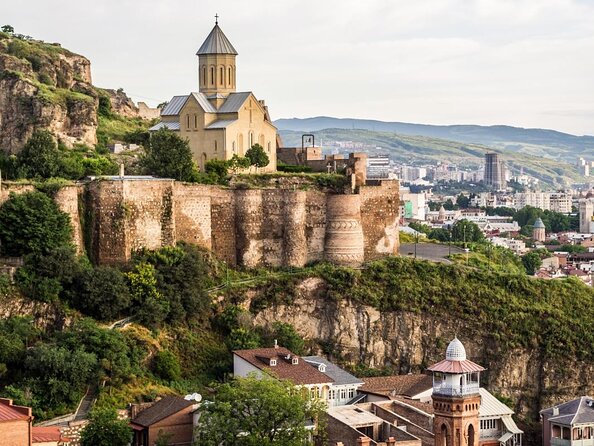
You begin at Metekhi Cathedral, on a cliff above the Mtkvari (Kura) River in the Avlabari area. The setting gives you an immediate sense of how Tbilisi grew around geography: the river corridor, the hills, and the church towers keeping time over the centuries.
This stop is free and short (around 20 minutes), which keeps the tour from stalling at the very first location. You’ll likely take a few photos from the edges and then move on quickly.
If you’re sensitive to walking or you hate climbs, note this is an early “viewpoint-style” stop. It’s not a mountain trek, but it does set the tone for a day with some elevation changes.


Rike Park: Giant Chess and the Fun Side of the Riverfront
Next is Rike Park, right by the river. This is the playful side of central Tbilisi, where you’ll spot things like giant chess pieces and even a large white grand piano. It’s a tourist magnet, but it’s also where locals actually hang out.
You only get about 20 minutes here, so it’s not about wandering for hours. It’s more about enjoying the riverfront vibe and snapping photos before the day turns more historic and higher up the hills.
This is also a helpful break point. After Metekhi’s cliff feel, Rike Park is flatter and easier to reset your legs before you move across town.
Bridge of Peace: A Modern Icon at Night or Day
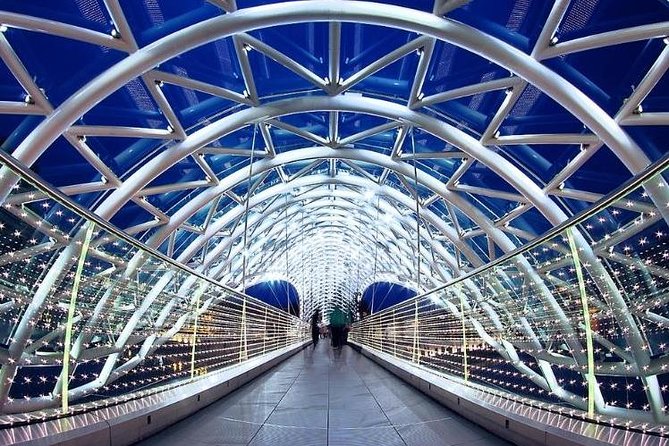
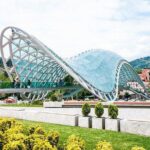
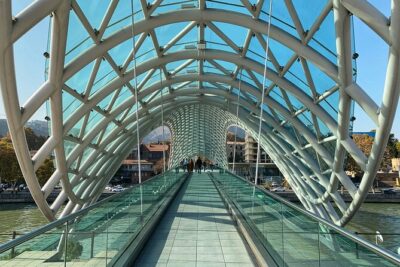
Then comes the Bridge of Peace, the bow-shaped pedestrian crossing over the Kura River. It’s steel and glass, and it’s lit with LEDs, so even in daylight you’ll see why it became a symbol of modern Tbilisi.
This stop is brief—about 15 minutes—but it’s one of the best “photo-to-photo” transitions in the whole route. The bridge frames the river and city in a way that makes even a short walk feel worthwhile.
If you’re camera-happy, ask your guide where to stand for the best angles. A good guide will know the spots that avoid crowds and glare.
Shardeni Street: The Heartbeat of Old Tbilisi
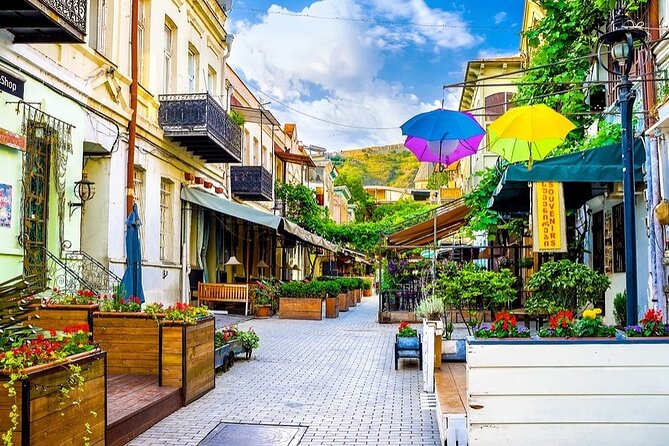
Jan Shardeni Street is one of the classic Tbilisi pedestrian lanes, full of charm and energy. It’s where the city feels like a destination rather than a place you just pass through.
This is a short stop (around 10 minutes), so think of it as an orientation moment: get the vibe, walk a little, take photos, and then continue. If you’re hoping for long shopping time or a long café sit-down, you’ll want to plan a separate return later.
Kartlis Deda: The Woman of Sololaki Hill
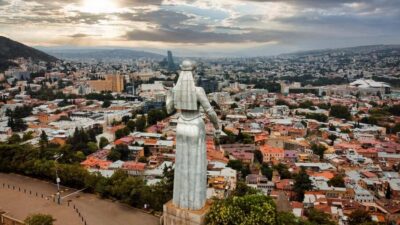
You then visit Kartlis Deda, a tall monument on Sololaki hill. It was erected for Tbilisi’s 1500th anniversary and stands as a prominent symbol in the city’s skyline.
This is a quick one (about 15 minutes), but it matters. It gives you a “from above” feeling even before you reach the bigger viewpoint areas later in the tour. You also get context for the city’s national symbolism—less postcard and more meaning.
If the weather turns windy or cold, this stop can feel exposed. Bring a layer if you’re touring in shoulder season.
Narikala Fortress: The Big View Over Tbilisi
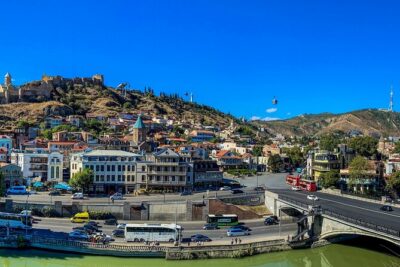
Next is Narikala Fortress, overlooking the city and the Mtkvari River. Narikala sits on steep ground and includes two walled sections, plus a recently restored church in the lower area: St Nicholas Church.
This is one of the more time-worthy stops in the middle of the route (about 20 minutes). You’ll probably spend some of that time just absorbing the panorama and planning what you want to see in more detail later.
The tradeoff is physical. Even with a private vehicle, you’re still moving on hills, and Narikala is classic “Old Tbilisi terrain.” Comfortable shoes are not optional if you don’t want to feel it by the end.
Abanotubani: The Famous Domed Bathhouse Quarter
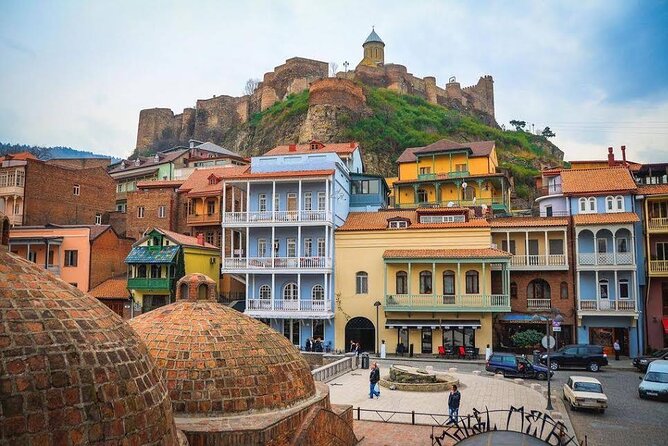
Then you hit Abanotubani, the bathhouse neighborhood known for its domed brick roofs. This area feels distinctly Tbilisi—part historic, part still-living tradition, and very photogenic.
You’ll spend about 15 minutes here. That’s enough time to see the architecture, grab a few shots, and understand why the bathhouses are such a recognizable part of the city identity.
This is also a good place to ask your guide what’s worth doing if you come back on your own. Even if you’re not soaking in a bath (not included), you’ll leave with better context.
Dzveli Tbilisi Sulphur Waterfall: Fast Photo Stop
The tour includes Dzveli Tbilisi Sulphur Waterfall, which is especially great for photos. It’s short (about 10 minutes), so don’t plan it as a long pause.
Still, it’s a fun, quirky detour that ties into Tbilisi’s geothermal reputation. It’s the kind of stop that makes the day feel more specific to this city, not generic sightseeing.
Freedom Square: Center-City Scale
Next is Freedom Square, at the eastern end of Rustaveli Avenue. This is one of the central “big square” moments where you feel the scale of the city’s public spaces.
It’s a quick stop (around 5 minutes), and that works here. You get the idea of where you are in the urban layout, then you’re off to the viewpoint-and-park portion.
If you want more time for photos or to walk the nearby streets, you can do that after the tour finishes or on another day.
Mtatsminda Amusement Park: The Fun Viewpoint Finale

At the top of Mount Mtatsminda is Mtatsminda Park, which blends an amusement park with real skyline views over Tbilisi. The park includes rides like carousels, water slides, roller-coaster, and a big Ferris wheel, plus the funicular option for getting up and down.
This is about a 30-minute stop, and it’s typically where you’ll decide how much you want to pay for extra transport and thrills. The listing shows funicular rides at $10 per person and cable car at $2 per person, so check with your guide during the day to see what makes the most sense based on your energy level.
A good way to think about it: if you want the best views and a quick taste of the park, you can stay mostly on foot and skip the most expensive ride. If you want the full Mtatsminda story, budget for the funicular/cable car and plan to spend a little time near the overlooks.
Chronicles of Georgia, Marionette Theater, and Sameba Cathedral
After Mtatsminda, the tour shifts into three cultural stops that feel more local and less “theme park.”
First is Chronicles of Georgia, a monument near the Tbilisi sea area. It was created in 1985 by Zurab Tsereteli, and it’s set at the top of a large stairway. You’ll spend about 30 minutes there, so it’s not only about a quick look. Even if you don’t climb every step for the perfect angle, you’ll get a strong impression of why this monument is part of the city’s modern identity.
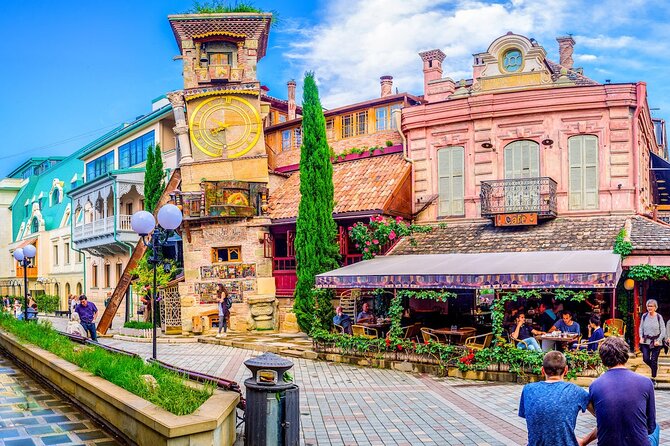
Then you visit Rezo Gabriadze Marionette Theater. The theater is modest, but it’s described as one of the world’s preeminent cultural institutions, known for puppet performances with meaning and depth. Expect about 15 minutes here—enough for exterior views and a short stop, but not a full performance block.
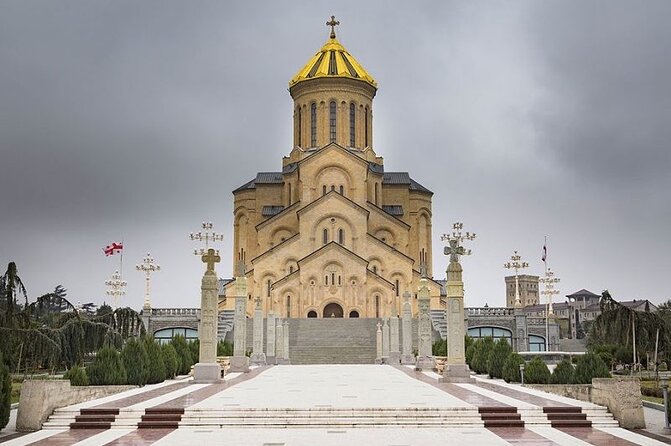
Finally comes Tbilisi Holy Trinity Cathedral (Sameba), the main cathedral of the Georgian Orthodox Church. It’s a 20-minute stop and often a visual reset after earlier city moments. If you like architecture, this is the moment you’ll notice detail in the stonework and the scale of the church.
One small planning tip: religious sites can have dress expectations. This isn’t listed with specific rules here, but it’s smart to carry a light layer you can adjust quickly.
What Makes the Tour Feel Personal: Guide Style and Real-Time Flexibility
The biggest strength of this experience is the human part. Multiple guides connected to this tour—Yasha, Irakli, George, Georgi, Omar, David, Beso, Levani, Otto, Divit—are described with the same theme: they try to keep you engaged, answer questions, and adjust when the day doesn’t go perfectly.
A couple examples from the guide notes: one guide helped arrange extra time around what mattered most to the group. Another emphasized safety and stayed alert while driving between sites. Another even handled family pacing so kids didn’t get wiped out early.
That flexibility can matter in Tbilisi because streets and traffic can change fast, and some areas are naturally built for walking rather than cars. A private guide helps you make those changes without turning your day into a stressful scramble.
Also, this tour doesn’t pretend you’ll learn everything in one day. Instead, it gives you a strong base: you’ll know where the key places are, what the symbols mean (churches, monuments), and where to return later if you want more.
Practical Tips to Get the Best Day (Without Overpaying)
Here’s how I’d set yourself up for a smooth half-day:
- Wear comfortable shoes. You’ll handle uneven ground and steps more than you expect from a “short” tour.
- Bring a light layer. Viewpoints and hill areas can feel cooler or windier.
- If you care about rides, budget for funicular/cable car at Mtatsminda. Those fees aren’t included.
- If you hate standing in lines, ask your guide what’s fastest. Ticketing help was mentioned as a helpful service.
- Keep expectations realistic: the tour is designed to see a lot, so you’ll often get short stops with focused viewing rather than long stays.
If you’re traveling with kids, this can still work because guides tend to adapt pacing. But do plan on breaks and don’t overschedule other activities on the same day.
Who Should Book This Tbilisi City Tour
This tour is a strong fit if you:
- Have one day (or half a day) and want the main sights in a logical route
- Want hotel pickup and a private guide so you don’t lose time figuring things out
- Like mixing churches, monuments, river views, and city viewpoints
- Prefer conversation and guidance over wandering alone
It’s less ideal if you:
- Need a step-free itinerary
- Want long, slow time at a single site (this is more “see it all” than “linger”)
Should You Book This Tbilisi City Tour?
Yes, book it if you want a smart introduction and you like the idea of ending with Mtatsminda Park views rather than calling it quits after Old Town. The value is in the private vehicle, hotel pickup, and efficient sight coverage without constant extra planning.
If you’re price-sensitive, decide in advance whether you’ll pay for the funicular/cable car. The rest of the day is designed to keep you moving through free or low-friction stops.
And if you care about getting the route tailored to your interests, this is exactly the kind of tour where a flexible guide can make your day feel smoother and more personal.
FAQ
How long is the Tbilisi City Tour?
It runs about 4 to 5 hours.
Is this tour private or shared?
It’s a private tour, and only your group participates.
Does the price include hotel pickup and transport?
Yes. Hotel pickup and drop-off are included, along with transport by a private vehicle.
Are cable car and funicular rides included?
No. Entrance fees for the cable car ($2 per person) and the funicular ($10 per person) are not included.
What language is the tour offered in?
The tour is offered in English.
Is there a lot of walking or steps?
There is some walking and stairs. Comfortable shoes are a good idea, especially because several stops are on hills or involve steps.
More Tbilisi Tours and Georgian Day Trips

More from Our Tbilisi Review Desk
More Old Tbilisi Walking Tours



Not quite your thing? More Tbilisi tours and day trips from our review desk




Old Tbilisi Walking Tours, compared.
 ★ 5.0Tbilisi Walking Tour Including Cable Car and Traditional BakeryFrom $191,310 reviews
 ★ 5.0Evening Walking & Talking Tour with Wine & Boat RideFrom $10572 reviews
 ★ 5.0Kakheti;City of Love Sighnaghi, Bodbe. KTW. Wine House Group tourFrom $16376 reviews
 ★ 5.0Old Tbilisi Highlights walking tour with wine & 10 tastingsFrom $15276 reviews
 ★ 5.0Old Tbilisi Tour: Private Walking Tour With Wine TastingFrom $39273 reviews
 ★ 5.0Private Tbilisi Food Tour: 9 Tastings Walk in Bohemian DistrictFrom $79227 reviews
 ★ 5.0Old and New City Guided Tour with 2 Cable Car RidesFrom $39176 reviews
 ★ 5.0Tbilisi Old Town Walking Tour with a Local GuideFrom $38168 reviews
Browse the lists this tour appears in